
.svg)
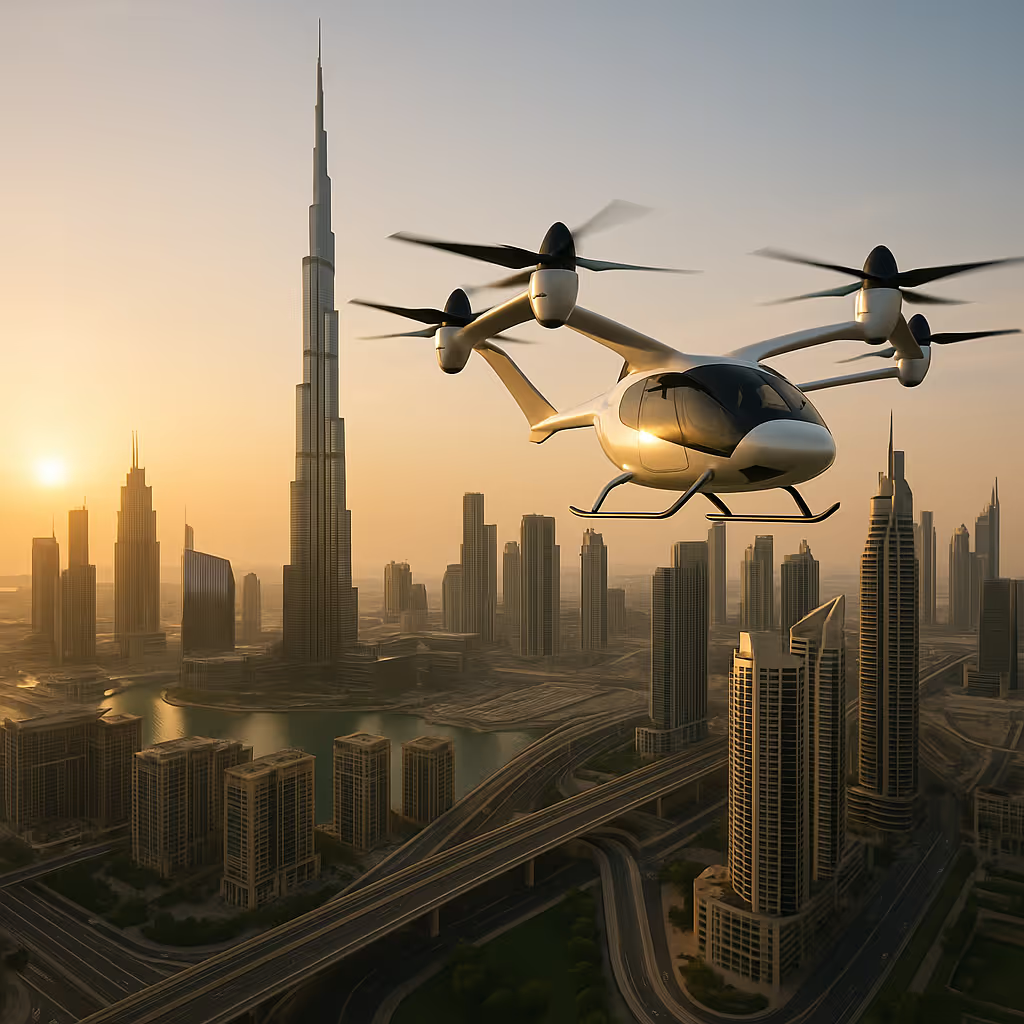


Dubai schrijft geschiedenis: eerste testflight met de Joby Aerial Taxi
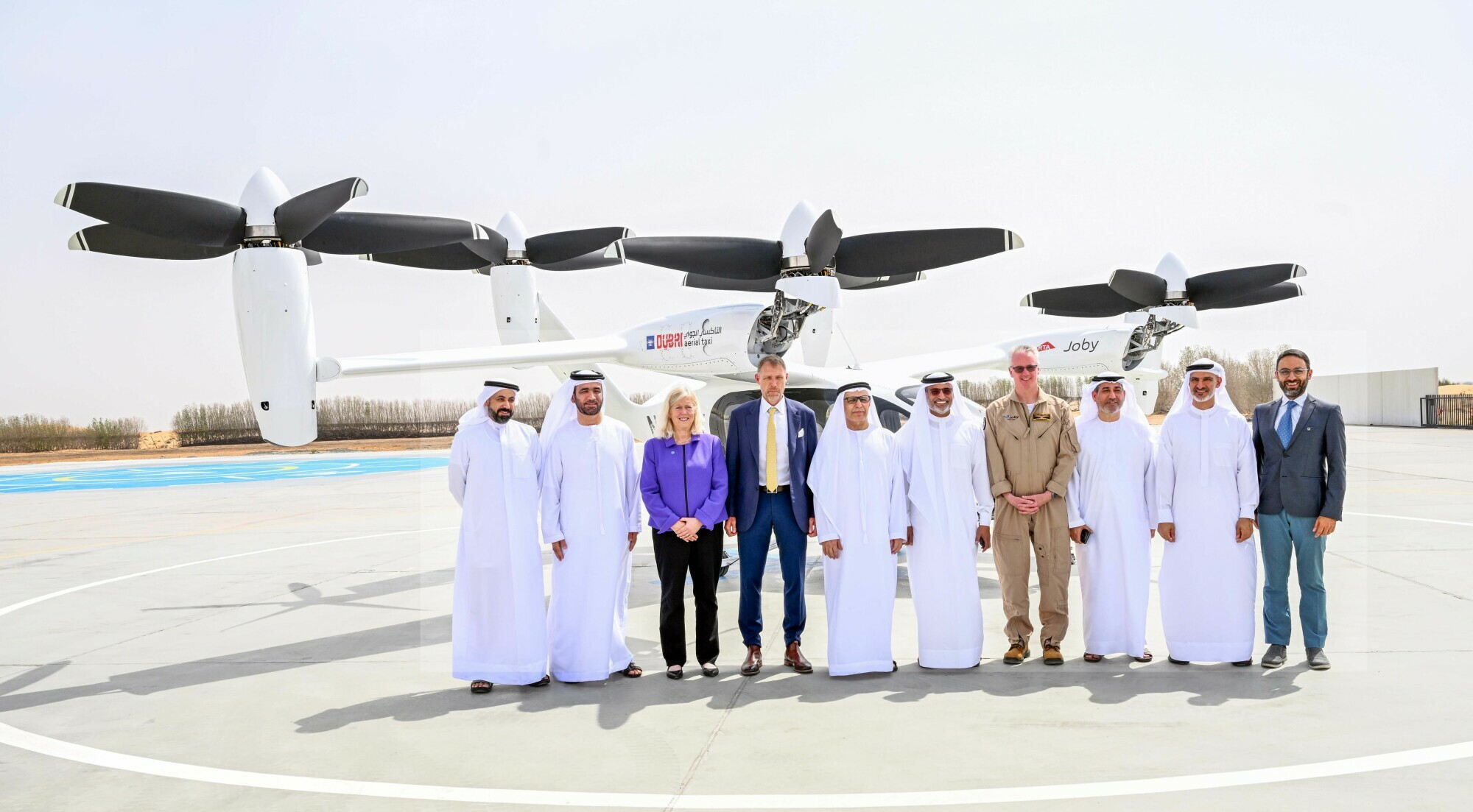
In een baanbrekende samenwerking tussen de Roads and Transport Authority (RTA) en Joby Aviation heeft onlangs de allereerste testflight in de regio plaatsgevonden met de geavanceerde Joby all-electric Aerial Taxi.
Dit moment markeert een grote stap voorwaarts naar een toekomst waarin stedelijke mobiliteit radicaal wordt getransformeerd - sneller, schoner en efficiënter dan ooit tevoren.
De historische testflight
De demonstratievlucht, uitgevoerd op een speciaal aangewezen locatie in de Dubaise woestijn, is succesvol voltooid. Het vliegtuig voerde een volledige cyclus uit van verticaal opstijgen, horizontale vlucht en veilige landing met een piloot aan boord, wat op overtuigende wijze stabiliteit, veiligheid en operationele capaciteiten aantoonde.
Het evenement werd bijgewoond door hooggeplaatste dignitarissen, waaronder His Highness Sheikh Hamdan bin Mohammed bin Rashid Al Maktoum, Kroonprins van Dubai, en Mattar Al Tayer, Directeur-Generaal en Voorzitter van de Raad van Bestuurders van de RTA. Beiden benadrukten het belang van deze mijlpaal. JoeBen Bevirt, oprichter en CEO van Joby Aviation, prees Dubais vooruitstrevende visie.
De testflight opent de weg voor een commerciële lancering van air taxi-services in 2026. Joby Aviation heeft een exclusieve zes-jarige licentie voor dit doel verkregen. De eerste vertiports worden al ontwikkeld op strategische locaties zoals Dubai International Airport (DXB), Palm Jumeirah, Dubai Marina en Downtown Dubai, met geplande oplevering in het eerste kwartaal van 2026.
Joby's geavanceerde eVTOL-technologie
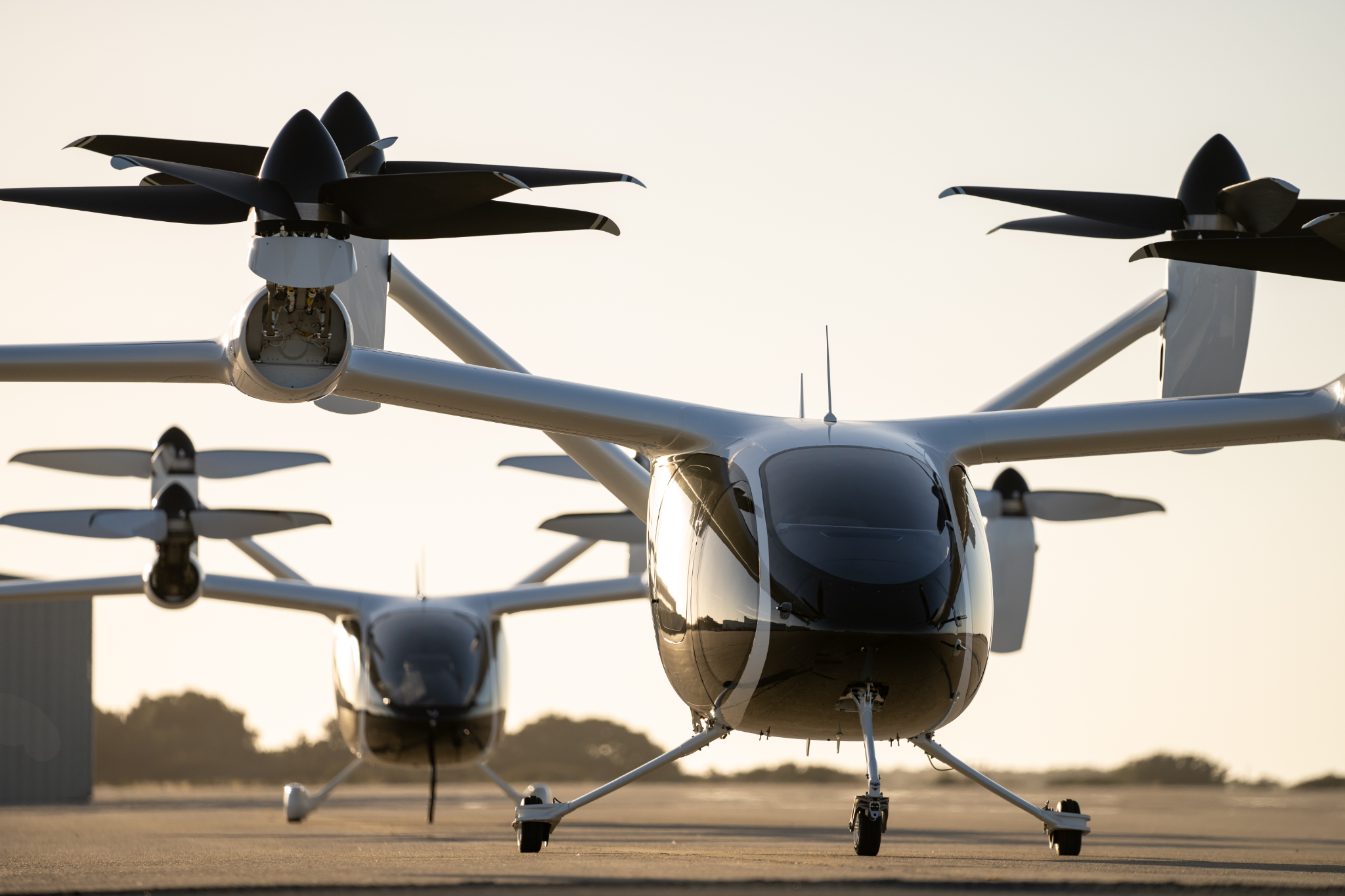
Joby Aviation, opgericht in 2009 en gevestigd in Santa Cruz, Californië, is een wereldwijde pionier in de ontwikkeling van elektrische verticale start- en landingsvliegtuigen (eVTOL's). Hun vlaggenschip, de Joby S4, combineert technologische innovatie met praktische stedelijke mobiliteitstoepassingen.
Belangrijkste specificaties van de Joby S4:
FunctieSpecificatiePassagiersCapaciteitPiloot + 4 passagiersMaksimale snelheid320 km/h (200 mph)BereichTot 160 km op één lading voortstuwingVolledig elektrisch, zes onafhankelijk kantelende rotorsBeruitvoeringsniveauGeluidsuitvoering65 dBA op 100 m (vergelijkbaar met een gesprek); 45,2 dBA op 500 m (nauwelijks hoorbaar)EmissiesNul operationele emissiesSpanwijdte11,9 m (39 ft)BatterieënVier vloeibaar gekoelde lithium-ionbatterijpakketten in titanium behuizingen
Het lage geluidsniveau - een fractie van dat van een helikopter - is cruciaal voor acceptatie in stedelijke gebieden en dient als een belangrijk verkooppunt. Hoewel sommige investeerders vragen hebben gesteld over het operationele bereik onder realistische omstandigheden, wordt tegelijkertijd gewerkt aan waterstofelectrische technologie ter aanvulling op batterijgestuurde oplossingen.
Een revolutie voor mobiliteit en onroerend goed
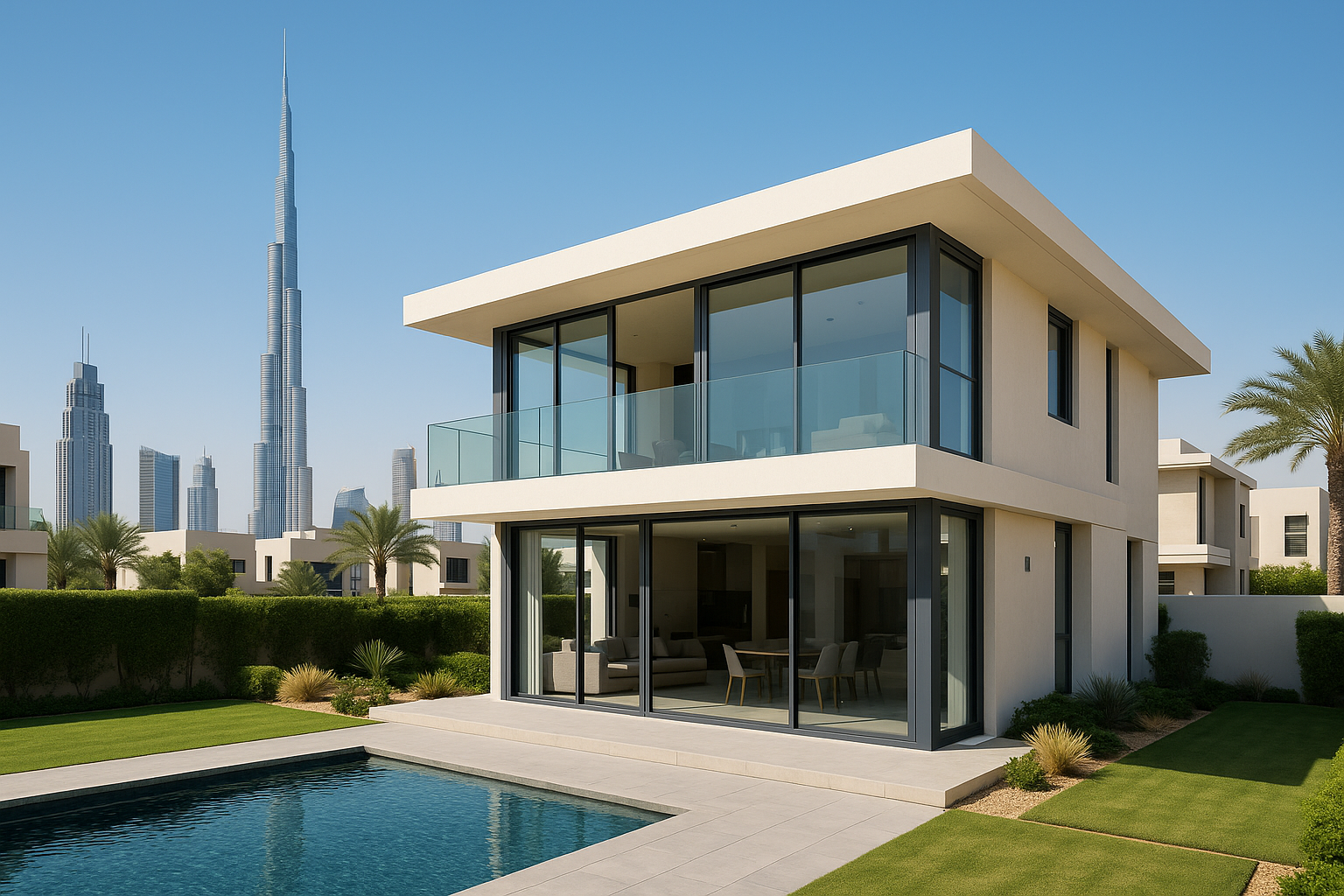
De introductie van de air taxi zal niet alleen het vervoer in Dubai transformeren, maar ook een direct effect hebben op de vastgoedmarkt:
- Dramatische reductie van reistijd - van Dubai International Airport naar Palm Jumeirah in slechts 12 minuten, vergeleken met de gebruikelijke 45 minuten met de auto.

- Milieuvoordelen - volledig elektrisch, met nul operationele emissies en minimale geluidsniveaus.
- Verbeterde levenskwaliteit - minder congestie, schonere lucht en rustigere residentiële wijken.
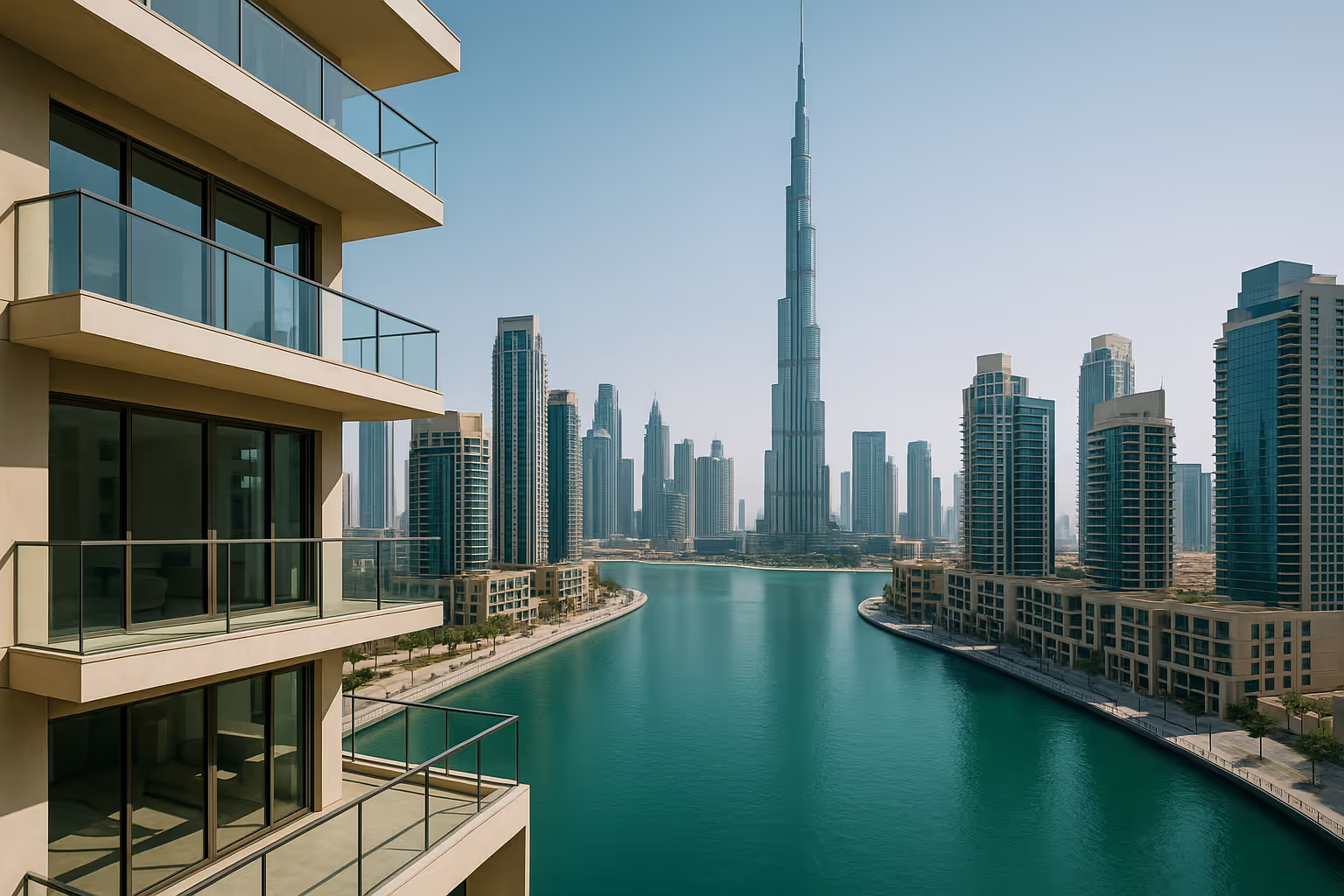
- Nieuwe vastgoedperspectieven - gebieden die eerder als minder aantrekkelijk werden beschouwd vanwege reistijd worden aanzienlijk begeesterd. Nieuwe stedelijke knooppunten zullen ontstaan rond vertiports, wat vraag en waardestijging van onroerend goed stimuleert.
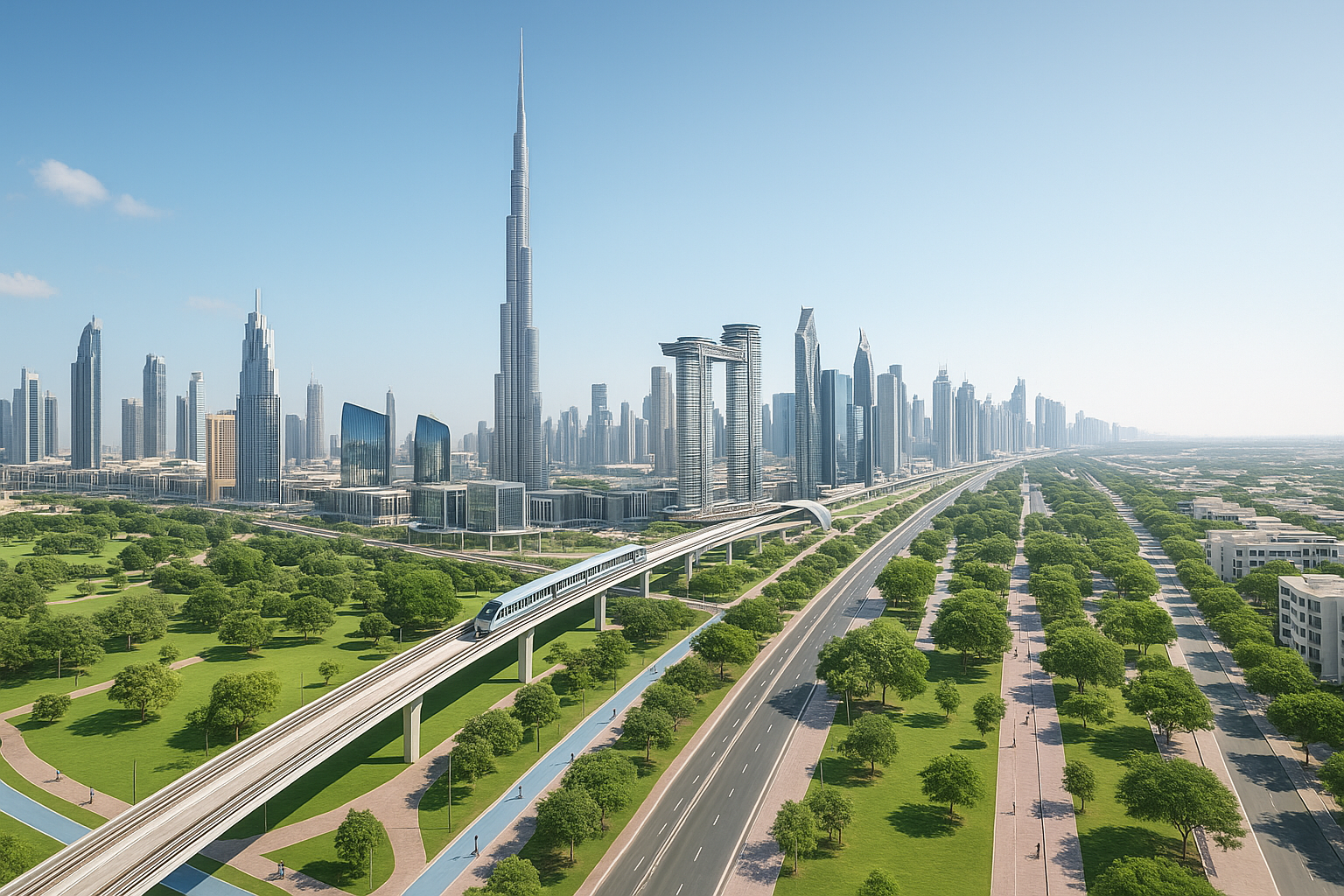
Het concept van de "20-Minute City", onderdeel van het Dubai Urban Plan 2040, komt met deze ontwikkeling een stap dichter bij de werkelijkheid.

Dubais toekomstvisie in actie
De air taxi past naadloos in Dubais langetermijnstrategie en versterkt meerdere initiatieven:
- Dubai Economic Agenda D33 - gericht op verdubbeling van de economie en positionering van Dubai als toonaangevende wereldstad.
- Dubai Urban Plan 2040 - ontwikkeling van een duurzamere stad met het "20-Minute City"-concept.
- Net-Zero by 2050-strategie - emissievrije mobiliteit is een hoeksteen van dit beleid.
- Smart City-innovaties - projecten zoals de Dubai Loop en Dubai Green Spine onderstrepen de ambitie om een internationale pionier te blijven.
Wereldwijde positie in Urban Air Mobility
Met zijn snelle implementatie en exclusieve partnerschap met Joby positioneert Dubai zich als een voortrekker in Urban Air Mobility (UAM). Hoewel steden zoals Parijs, Los Angeles, Seoul en Singapore ook eVTOL-projecten nastreven, onderscheidt Dubai zich door besluitvaardig optreden en tempo.
Bovendien brengt het partnerschap met een gevestigde speler als Joby - actief met Delta Air Lines, Toyota en de Amerikaanse luchtmacht - internationale expertise en geloofwaardigheid naar de regio.
Uitdagingen en kansen
Op de weg naar grootschalige commerciële uitrol blijven verschillende uitdagingen bestaan:
- Robuuste regelgeving en certificering van piloten en luchtruim
- Voldoende vertiports, laadinfrastructuur en onderhoudsvoorzieningen
- Verdere ontwikkeling van batterijtechnologie
- Publieke acceptatie en vertrouwen
- Schaalbaarheid en kostentoegankelijkheid
De kansen zijn echter even aanzienlijk - van exclusieve passagiersvluchten tot medische nooddiensten en logistieke toepassingen die de veerkracht van steden verbeteren.
Conclusie - Dubai leidt de weg
De eerste testflight van de Joby Aerial Taxi is meer dan een technologische mijlpaal. Het is een duidelijke bevestiging van Dubais ambitie om een wereldleider te zijn op het gebied van innovatie, duurzaamheid en stedelijke levenskwaliteit.
Voor de vastgoedmarkt signaleert dit nieuw momentum. Snellere verbindingen, verminderde verkeersdruk en een aantrekkelijkere leefomgeving maken investeringen op strategische locaties rond vertiports bijzonder interessant.
Wat ooit een verafgelegen droom leek, wordt werkelijkheid in Dubai. De lucht is niet langer de limiet - het is de nieuwe horizon.
Meer weten over investeren in Dubai vastgoed?
Wil je dit onderwerp toepassen op jouw situatie? Download de gratis Dubai vastgoed gids, bekijk het actuele Dubai vastgoed aanbod of plan een gratis gesprek met Dubai-Property.nl.



















.png)
.png)

.png)






.avif)
.avif)










.svg)
.svg)
.svg)