
.svg)
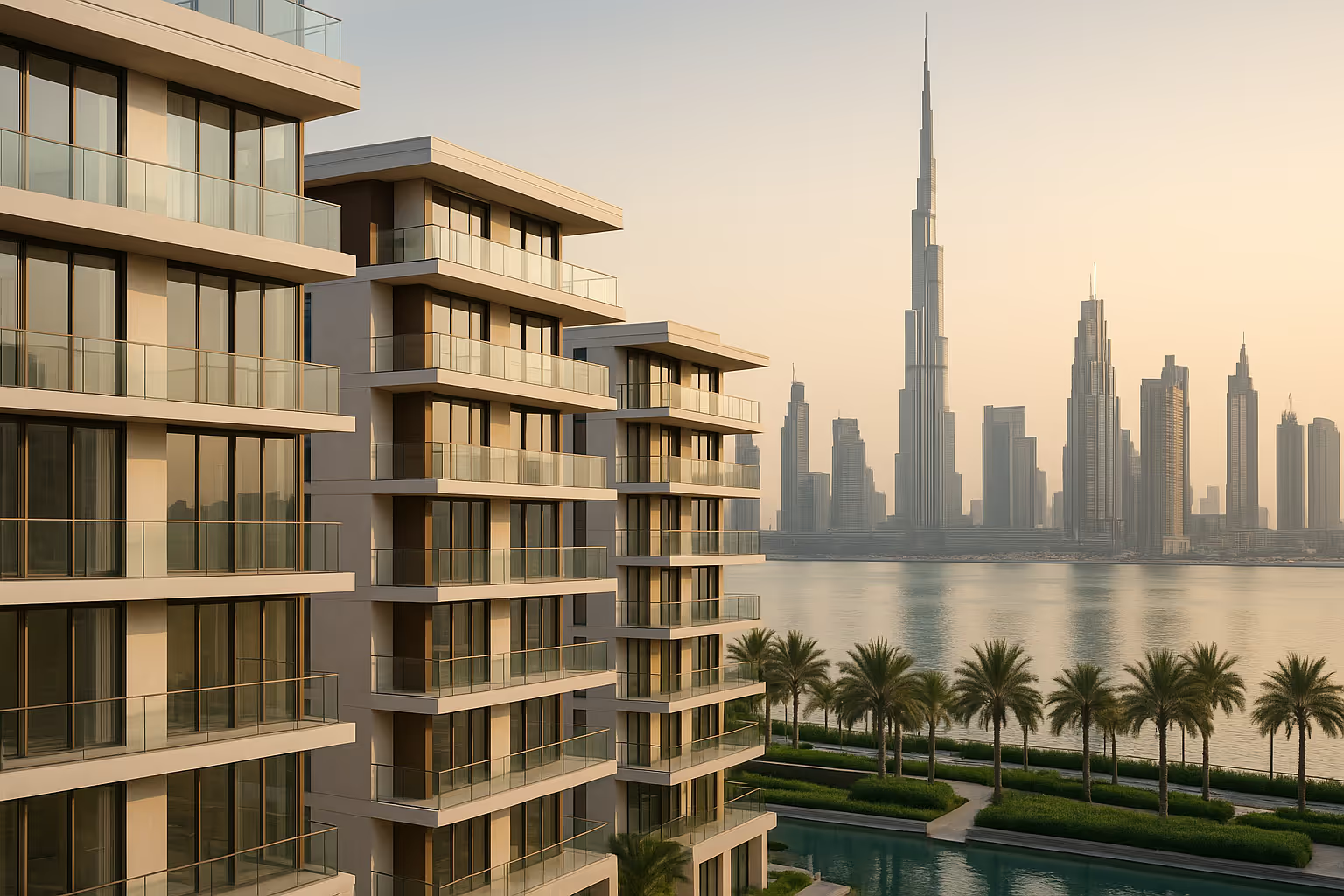


Dubai 2025: Alles wat je moet weten over investeren in de vastgoedmarkt van Dubai
Inleiding
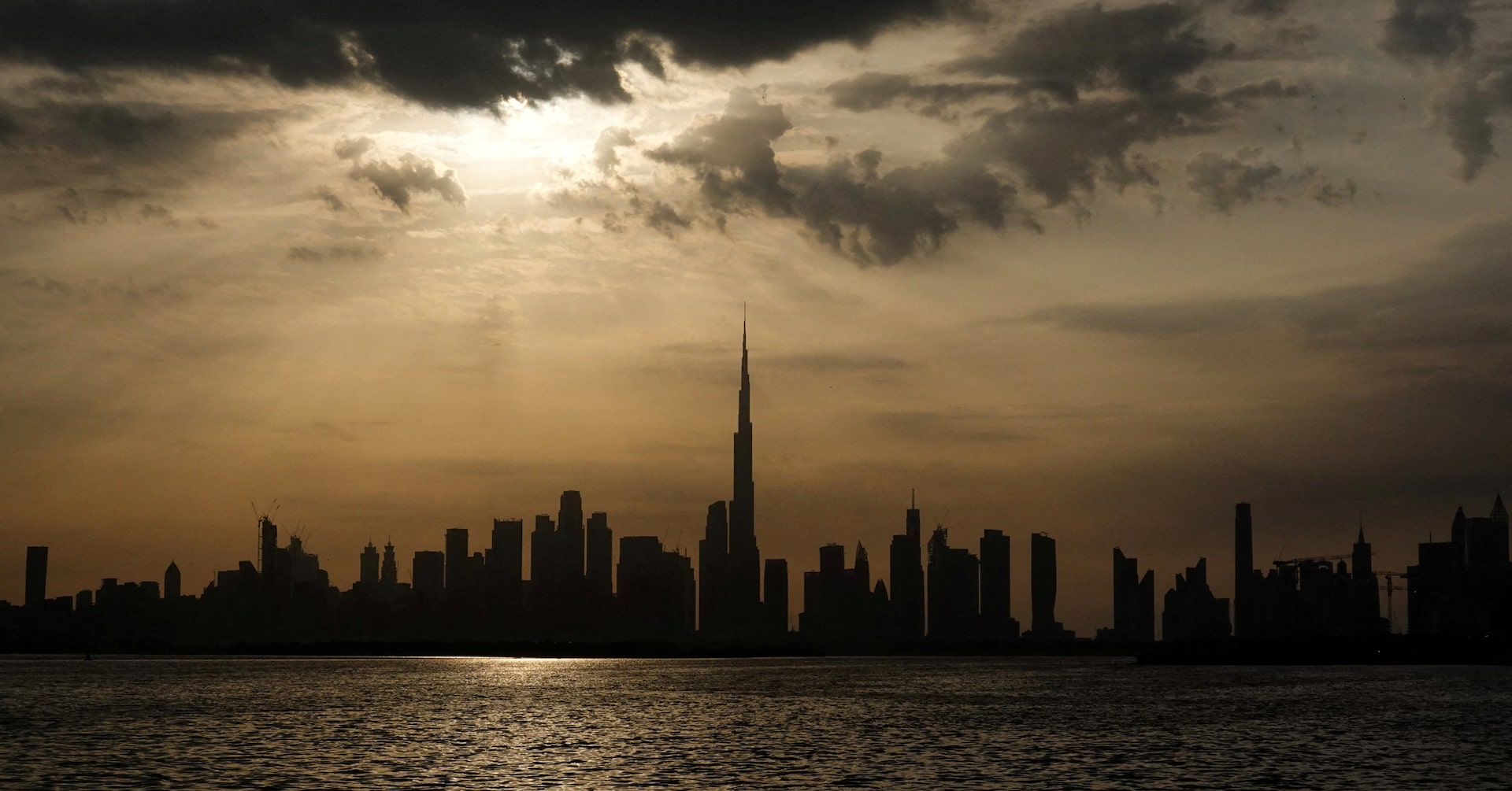
Dubai is uitgegroeid tot een internationaal centrum voor zakendoen, toerisme en vastgoedontwikkeling. Een toenemend aantal investeerders richt zijn aandacht op deze levendige stad, waar wolkenkrabbers in recordtempo omhoog schieten en ambitieuze visies het silhouet bepalen. De term 'Off Plan Dubai 2026' verwijst naar veelbelovende mogelijkheden om in nieuwbouwprojecten te investeren voordat deze zijn voltooid. Deze investeringsstrategie kan aanzienlijk winstgevend zijn vanwege de combinatie van lagere aankoopprijzen tijdens de ontwikkelingsfase en de sterke groei die de vastgoedmarkt van Dubai ervaart. In deze gids verkennen we alles wat je moet weten over off-plan aankopen in een van de meest vooruitstrevende steden ter wereld. Of je nu een eerste keer een vastgoedproperty aanschaft of al meerdere panden bezit, Dubai biedt een dynamische markt die aansluit op mondiale trends en demografische ontwikkelingen. Volgens branchedeskundigen en gerenommeerde organisaties zoals Deloitte en S&P Global herstelt de vraag naar vastgoed hier sneller dan in veel andere steden. Dubai's aantrekkingskracht als bedrijfs- en toerismebestemming, gecombineerd met gunstige regelgeving voor buitenlandse kopers, biedt een solide basis voor langetermijnrendementen. In de volgende secties gaan we dieper in op wat off-plan aankopen betekenen, de belangrijkste locaties, verwachte rendementen en de stappen die je kunt ondernemen om ervoor te zorgen dat je investering soepel en veilig verloopt. De groeiende expat-markt, infrastructuurprojecten en visiedocumenten zoals het Dubai 2040 Masterplan dragen allemaal bij aan een stabiel en innovatief vastgoedklimaat. Lees verder en ontdek waarom Off Plan Dubai 2026 ook voor je een strategische zet zou kunnen zijn.
Wat betekent off-plan aankopen in Dubai?
Off-plan aankopen betekent het kopen van een pand voordat de bouw volledig is voltooid. Dit geeft je de kans om vroeg in te stappen en te profiteren van mogelijke waardevermeerdering na oplevering. In Dubai wordt off-plan vastgoed gereguleerd door strikte wetgeving die investeerders beschermt. Ontwikkelaars zijn doorgaans verplicht escrow-rekeningen te gebruiken, waar betalingen van kopers beveiligd worden vastgehouden totdat bepaalde bouwmijlpalen zijn bereikt. Deze structuur vermindert het risico dat een project halverwege tot stilstand komt of dat gelden verkeerd worden ingezet. Voor veel investeerders is deze vroege toetreding aantrekkelijk, niet alleen omdat de prijs lager is, maar ook omdat gulle betalingsplannen vaak beschikbaar zijn. Vastgoedontwikkelaars in Dubai begrijpen dat internationale kopers divers zijn qua budget en strategie, en bieden daarom flexibiliteit in betalingsvoorwaarden en afbetalingsregelingen. Bij off-plan aankopen is het van cruciaal belang de reputatie en staat van dienst van de ontwikkelaar te onderzoeken. Een bekende naam in Dubai met een solide geschiedenis geeft extra vertrouwen in de kwaliteit en tijdige oplevering van het pand. Juridische aspecten en contractvoorwaarden zijn even belangrijk. Let met name op bepalingen met betrekking tot wijzigingen in het bouwplan, boetes voor late oplevering en garanties met betrekking tot bouwkwaliteit. Dergelijke afspraken moeten duidelijk in het contract worden vastgesteld, zodat je niet voor vervelende verrassingen komt te staan als de geplande opleverdatum verandert. Door grondige due diligence en zorgvuldige beoordeling van alle documentatie minimaliseert je risico's en maximaliseert je je kansen op een winstgevende investering in deze snelgroeiende metropool.
Waarom Off Plan Dubai 2026 een aantrekkelijk vooruitzicht is
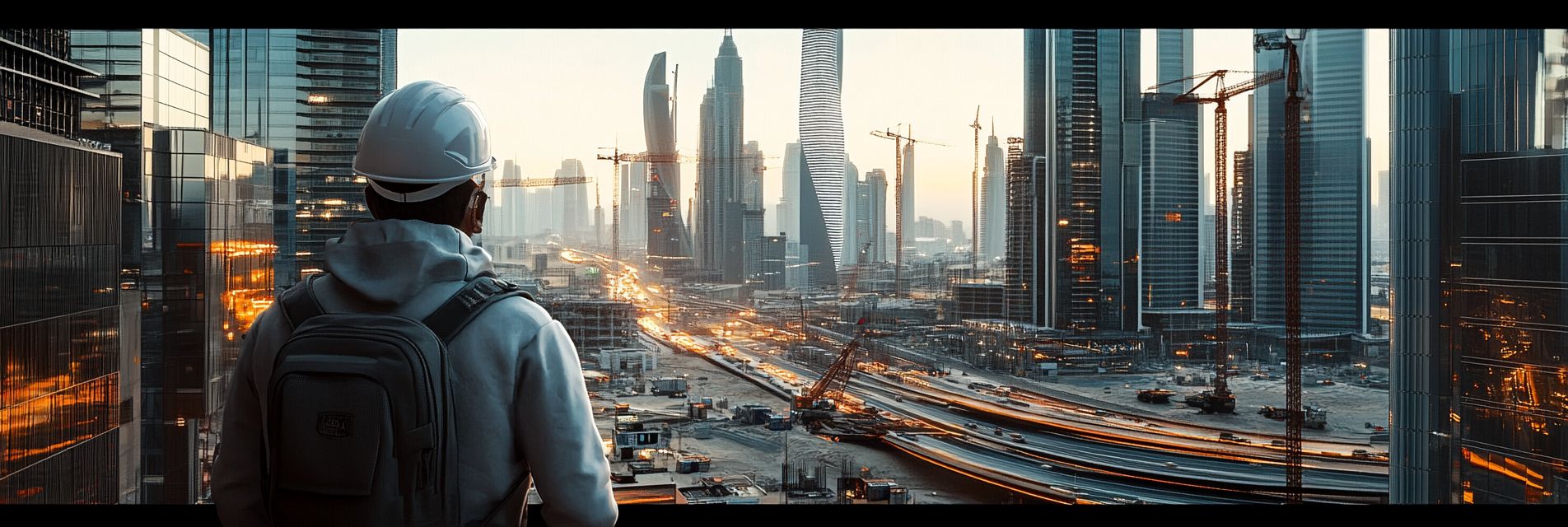
Dubai transformeert voortdurend, ondersteund door sterke infrastructuur, een duidelijke economische visie en ambitieuze ontwikkelingsplannen. Het is juist deze combinatie die Off Plan Dubai 2026 tot een zeer aantrekkelijke kans maakt. Volgens meerdere bronnen, waaronder Deloitte, ervaart de vastgoedmarkt in Dubai een duidelijk herstel. S&P Global rapporteert ook dat de balans tussen off-plan panden en bestaande vastgoed gunstig is voor tactische investeerders, omdat nieuwe projecten aansluitend zijn op de groeiende vraag naar moderne woon- en werkruimten. Daarnaast zijn er tastbare regeringsincentives om buitenlandse investeerders aan te trekken, zoals flexibele verblijfsregelingen, bedrijfsvoordelen in vriu economische zones en aandacht voor internationale evenementen. Bedenk ook de voortdurend uitgebreide infrastructuur: de stad blijft investeren in metrolijnen, wegen en logistieke knooppunten om de enorme instroom van inwoners, toeristen en werkmigranten op te vangen. Dit alles zorgt ervoor dat de vraag naar nieuwe huizen en kantoorruimten geen voortekenen van vertraging vertoont. Bovendien blijft Dubai expats met zeer gespecialiseerde banen in sectoren als technologie, financiën en gezondheidszorg aantrekken, wat zorgt voor een voortdurend en groeiend marktaandeel van potentiële huurders. De voortdurende bevolkingstoename wordt verder benadrukt in het rapport over Dubai's bevolkingsgroepattronen. Dankzij deze demografische groei en economische diversificatie is het redelijk om te verwachten dat nieuwbouwprojecten hun waarde behouden of zelfs aanzienlijk toenemen naar en voorbij 2026. Sommige marktanalisten spreken zelfs van een 'gouden periode' voor investeerders die strategisch kopen en vertrouwen hebben in Dubai's langetermijnvisie.
Belangrijkste locaties voor off-plan projecten
Dubai bestaat uit verschillende wijken en gebieden, elk met zijn eigen karakter en groeipotentieel. Dit maakt de keuze voor een off-plan project zowel divers als aantrekkelijk. We concentreren ons op drie gebieden die bekend staan om hun sterke ontwikkeling, aantrekkingskracht en potentieel voor toekomstige rendementen.
MBR City
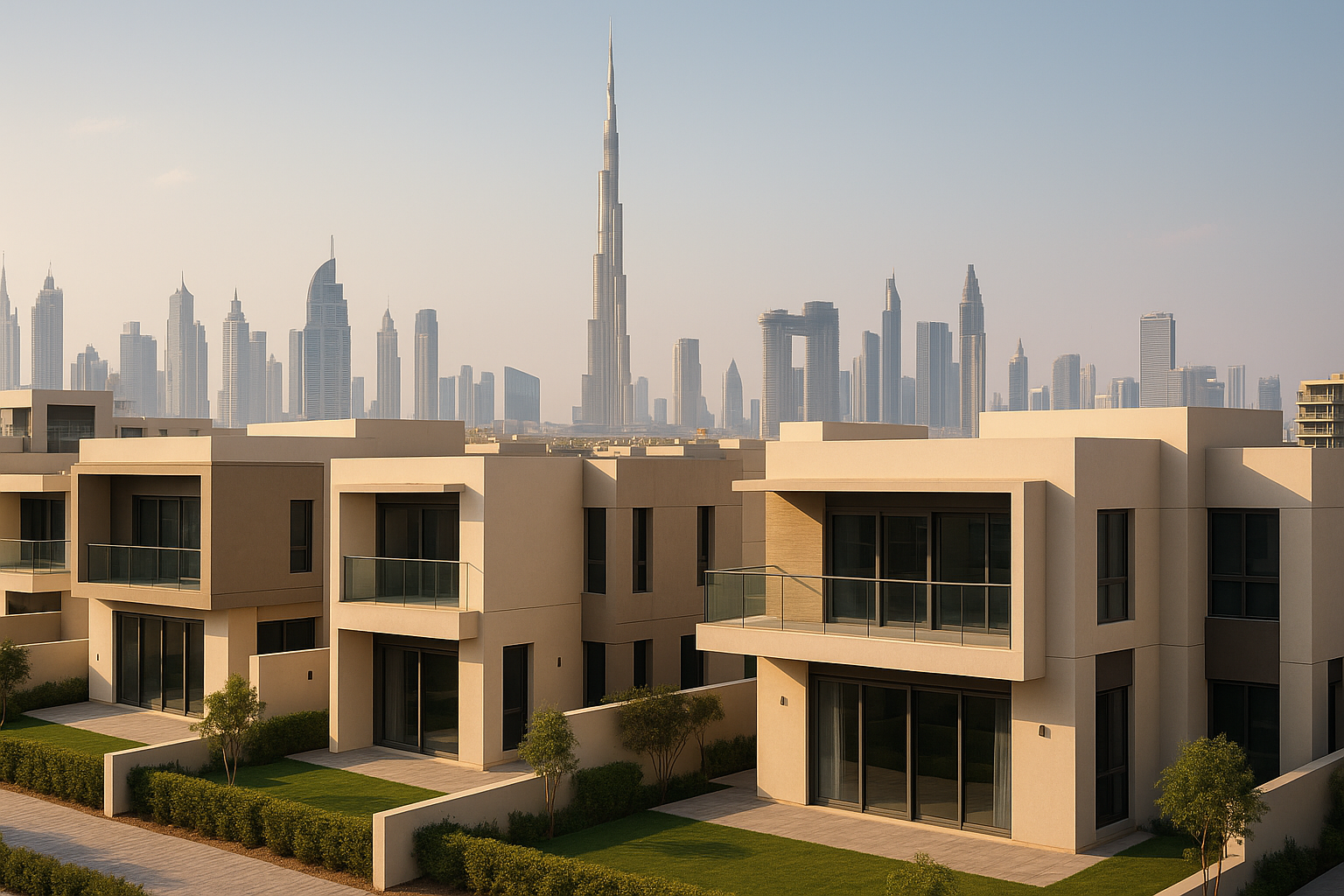
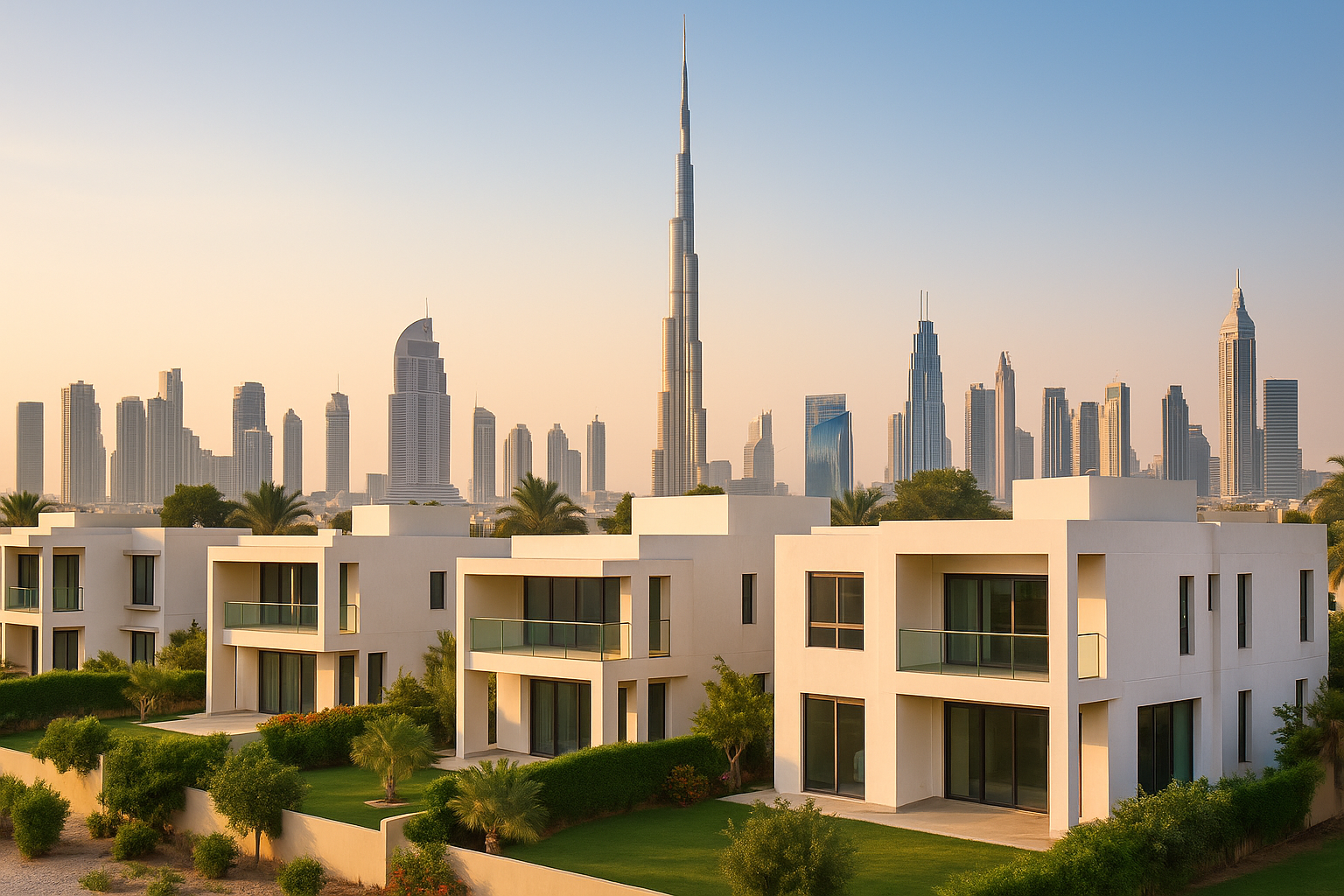
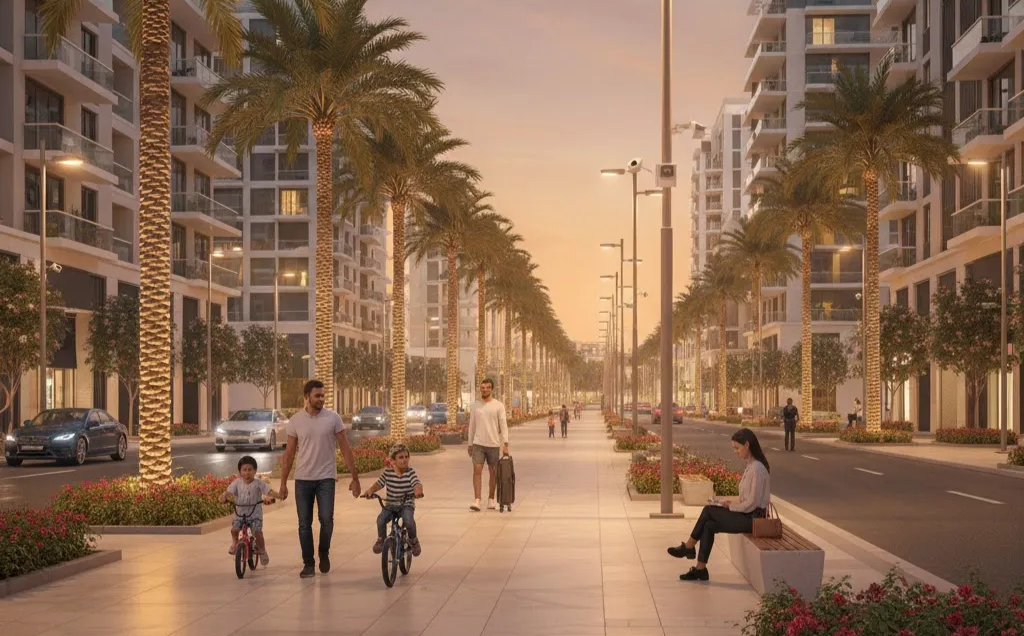
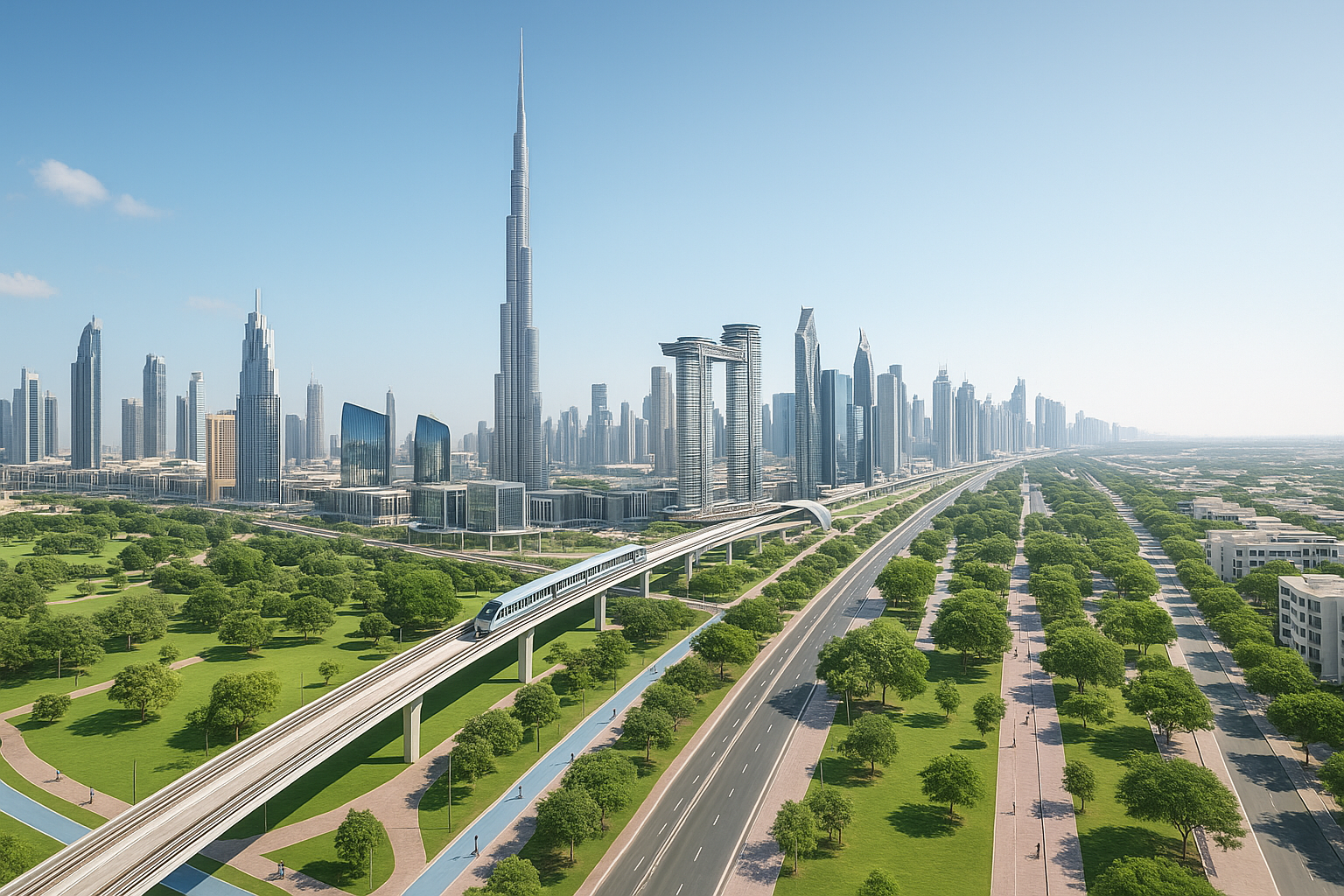
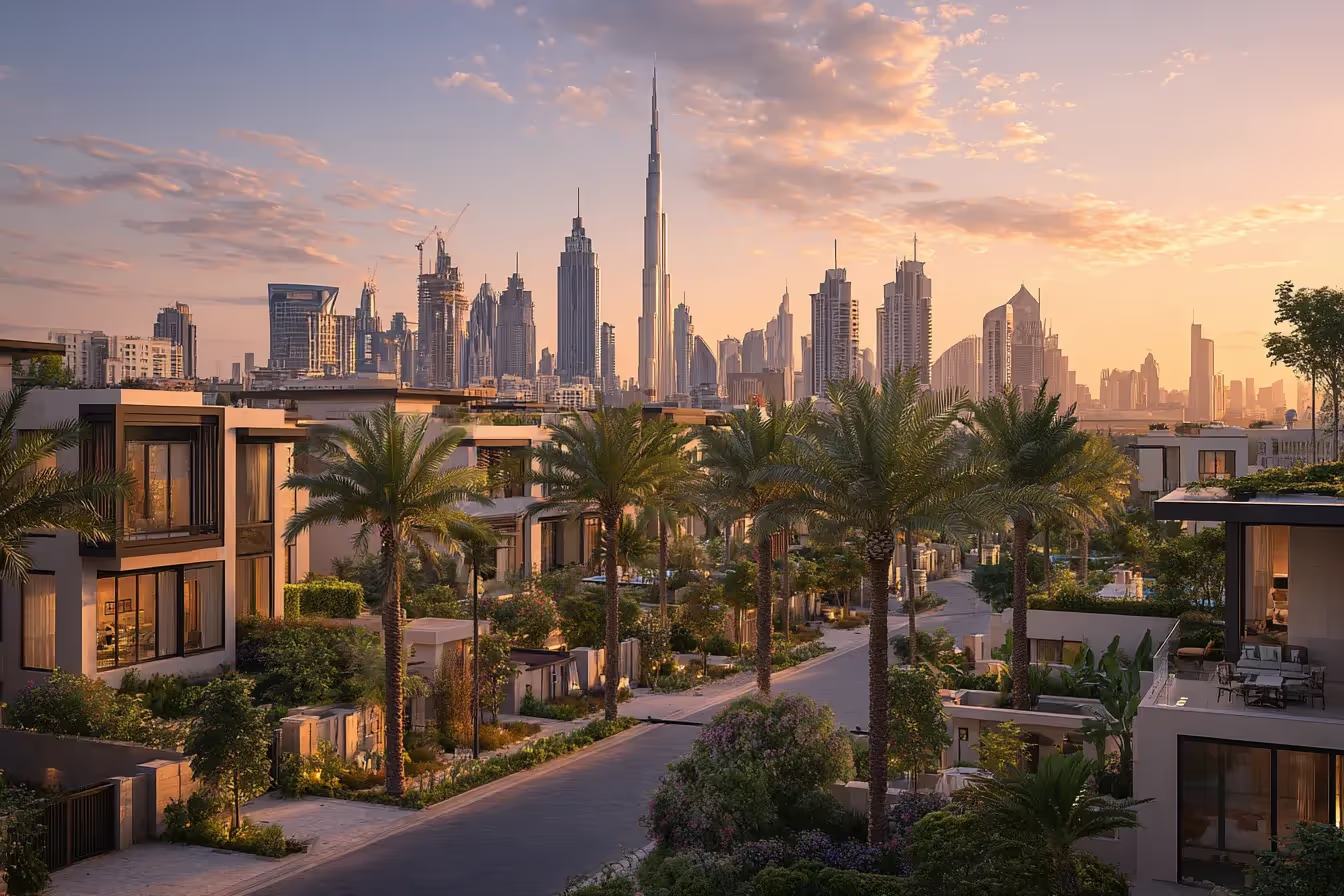
Mohammed Bin Rashid City, of MBR City in het kort, is een grootschalige ontwikkeling die luxe woonfaciliteiten en vrijetijdsfaciliteiten in een hedendaags kader wil opleveren. Dit gebied wordt gekarakteriseerd door uitgebreide groene ruimten, kunstmatige wateroppervlakken en een focus op geavanceerde technologie om de kwaliteit van leven te verbeteren. De strategische ligging, dicht bij het centrum en belangrijke toegangsroutes, maakt MBR City ideaal voor investeerders die een balans zoeken tussen stedelijke vitaliteit en rustig wonen. Hier wordt verwacht dat vastgoedwaarden zullen profiteren van toekomstige projecten zoals de expansieplannen van de Dubai Metro. Dankzij de geavanceerde infrastructuur, met inbegrip van nieuwe wegen en vervoersverbindingen, wordt het wonen in dit district nog aantrekkelijker, wat een voortdurende instroom van huurders en kopers garandeert.
Palm Jumeirah
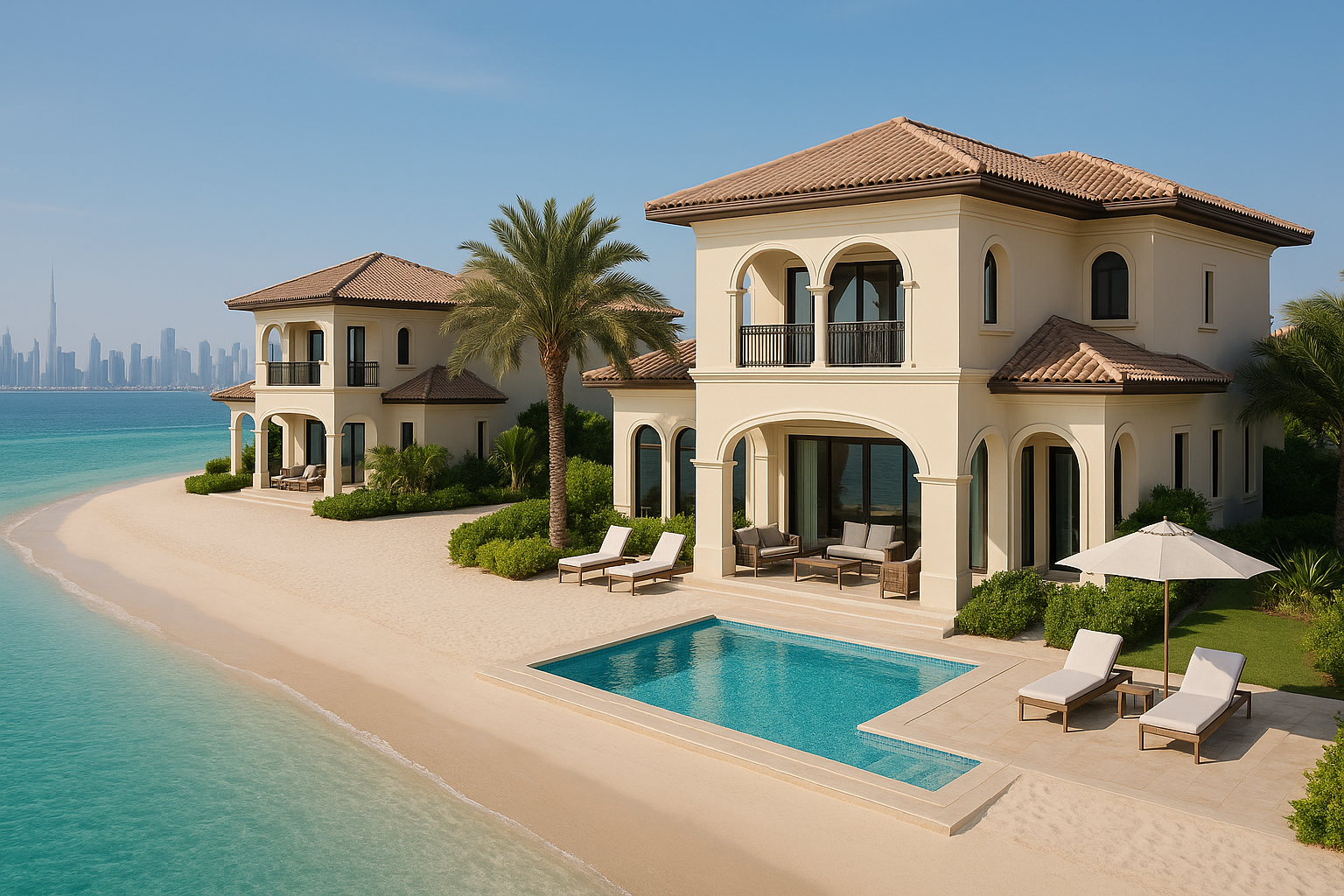
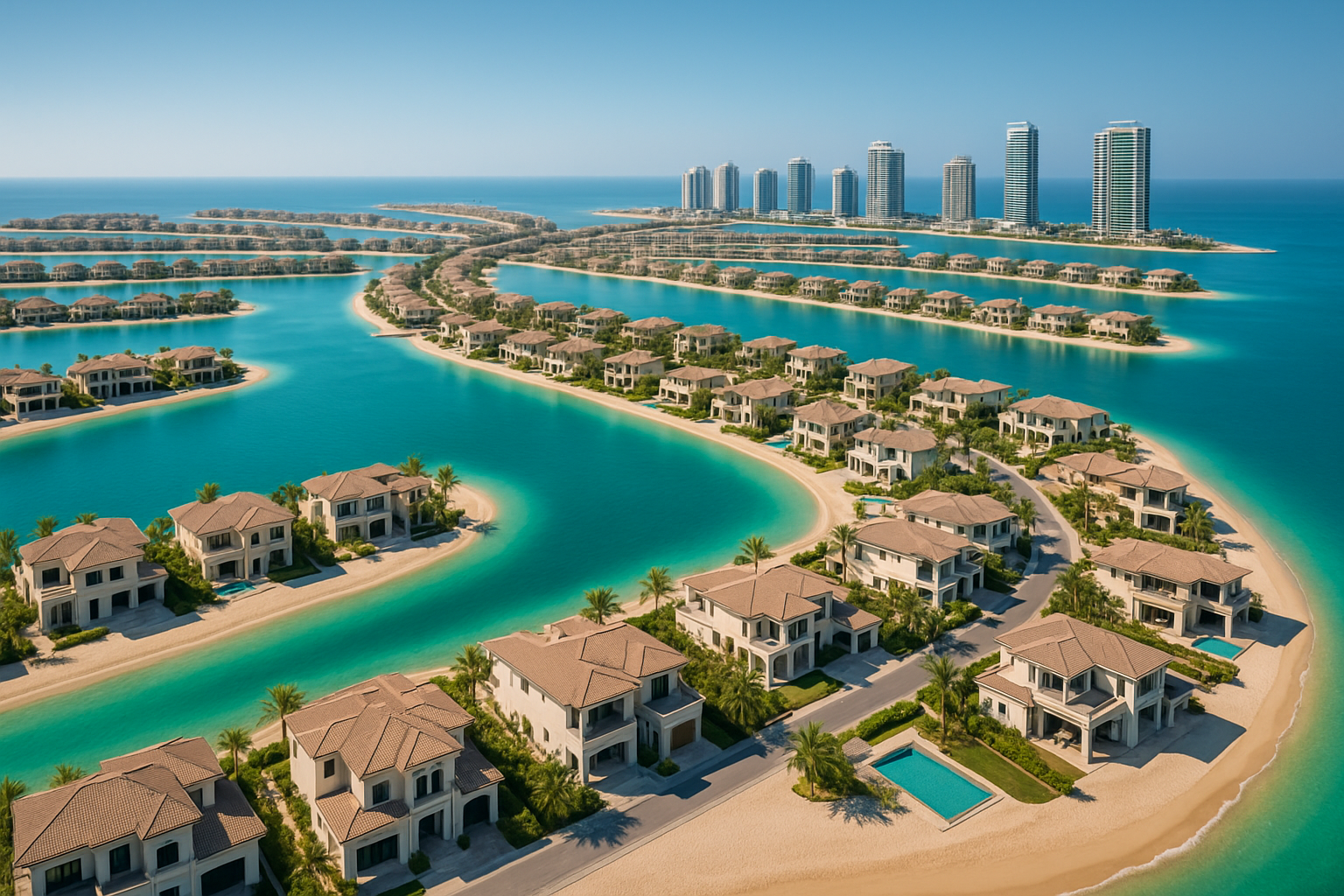
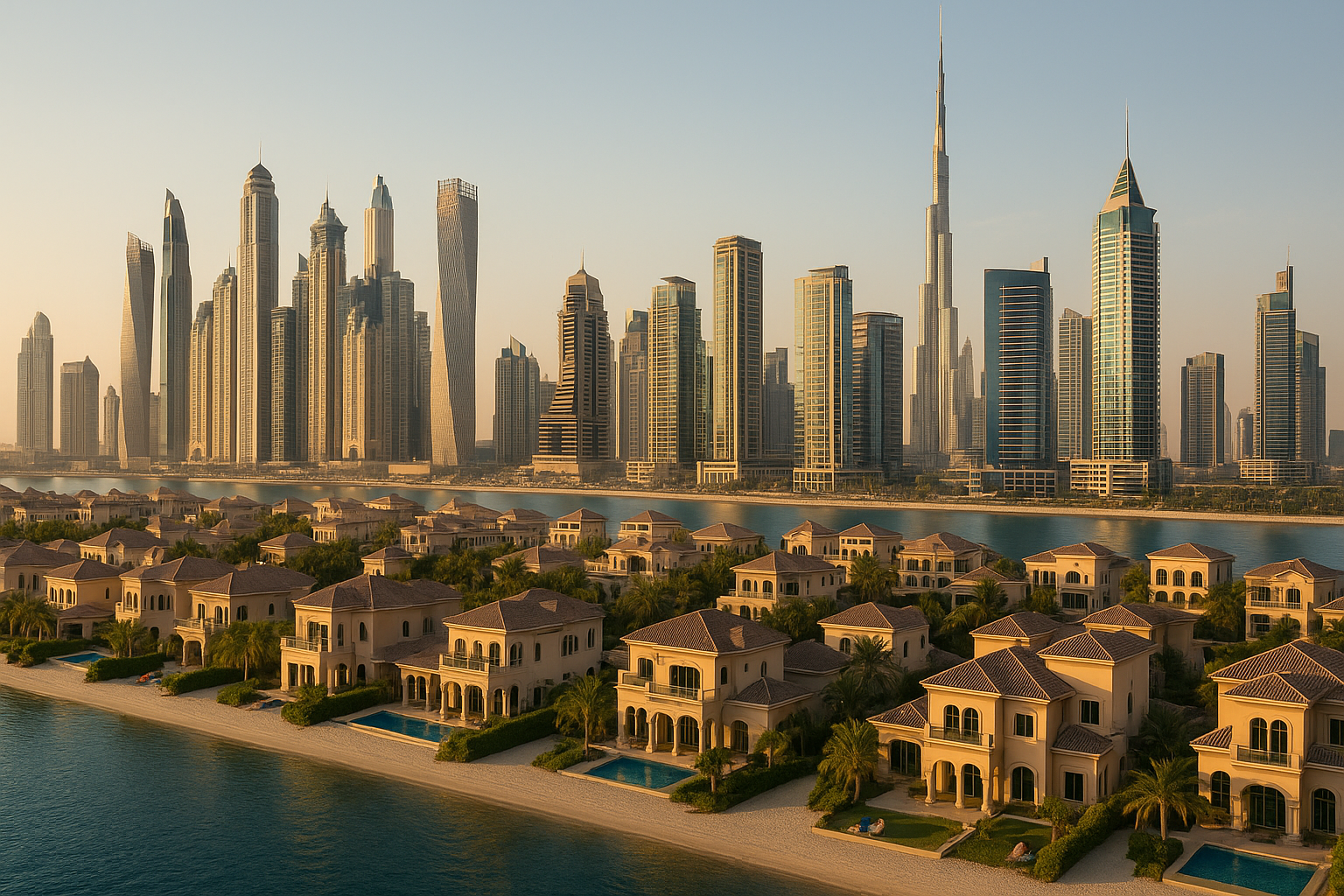
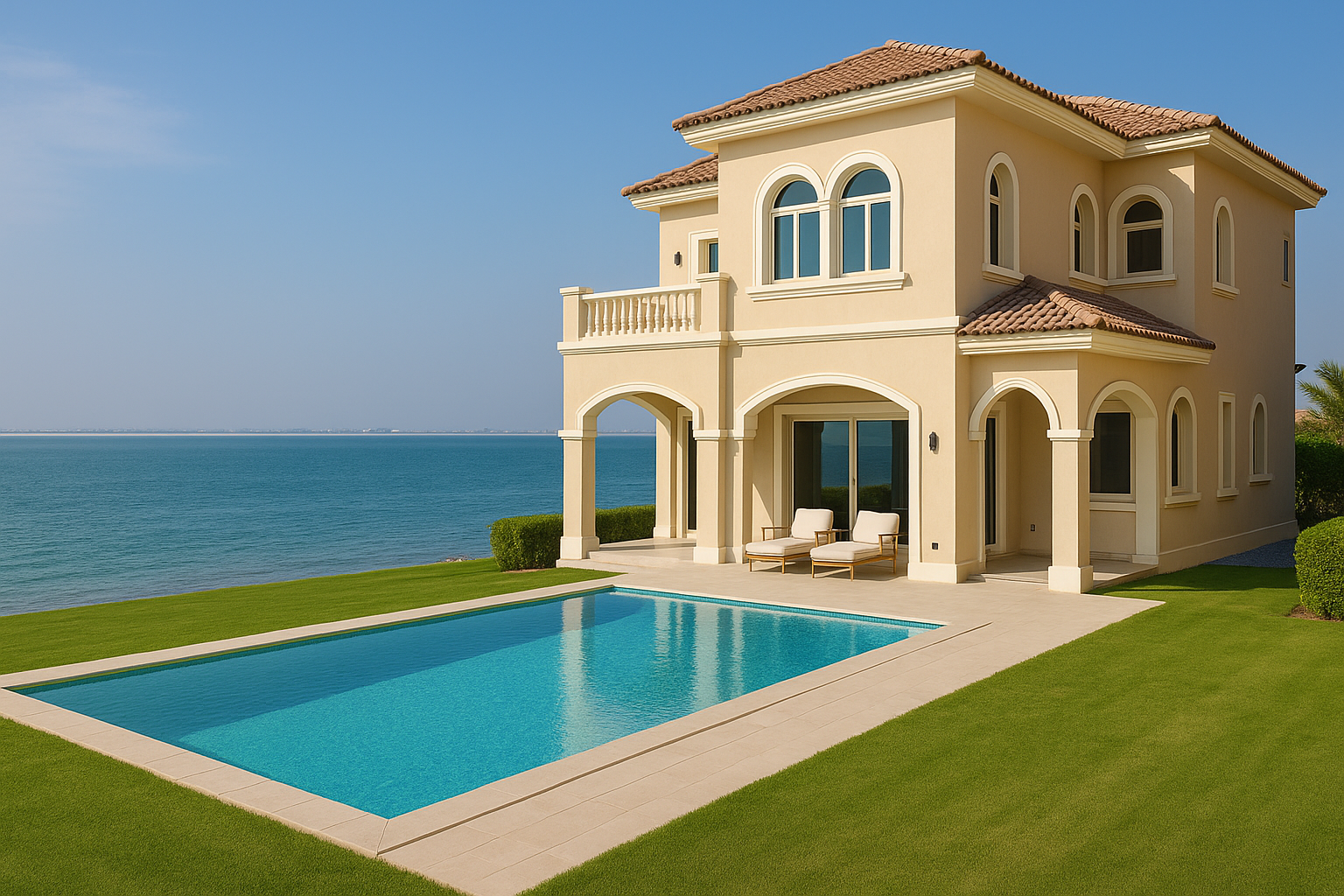
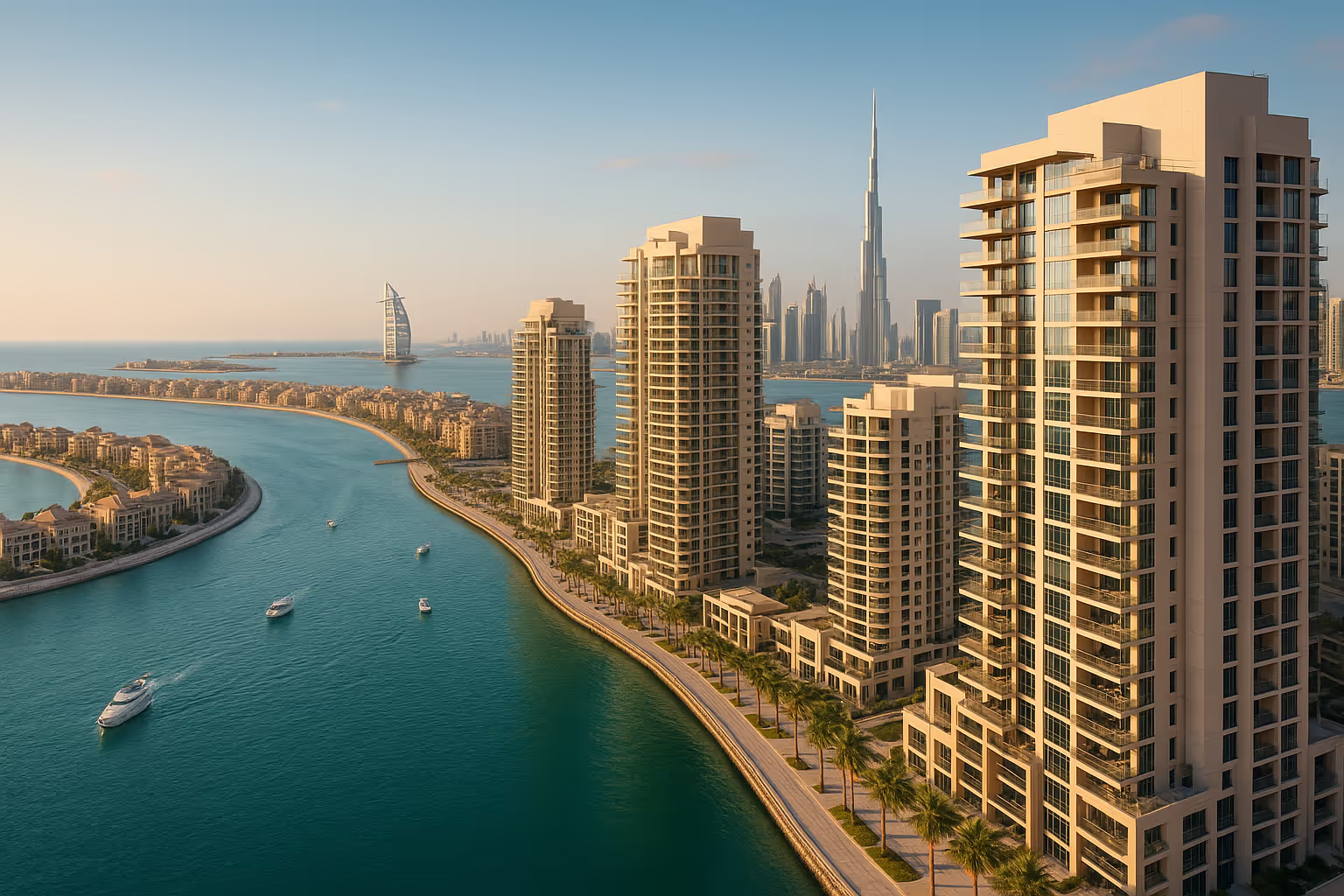
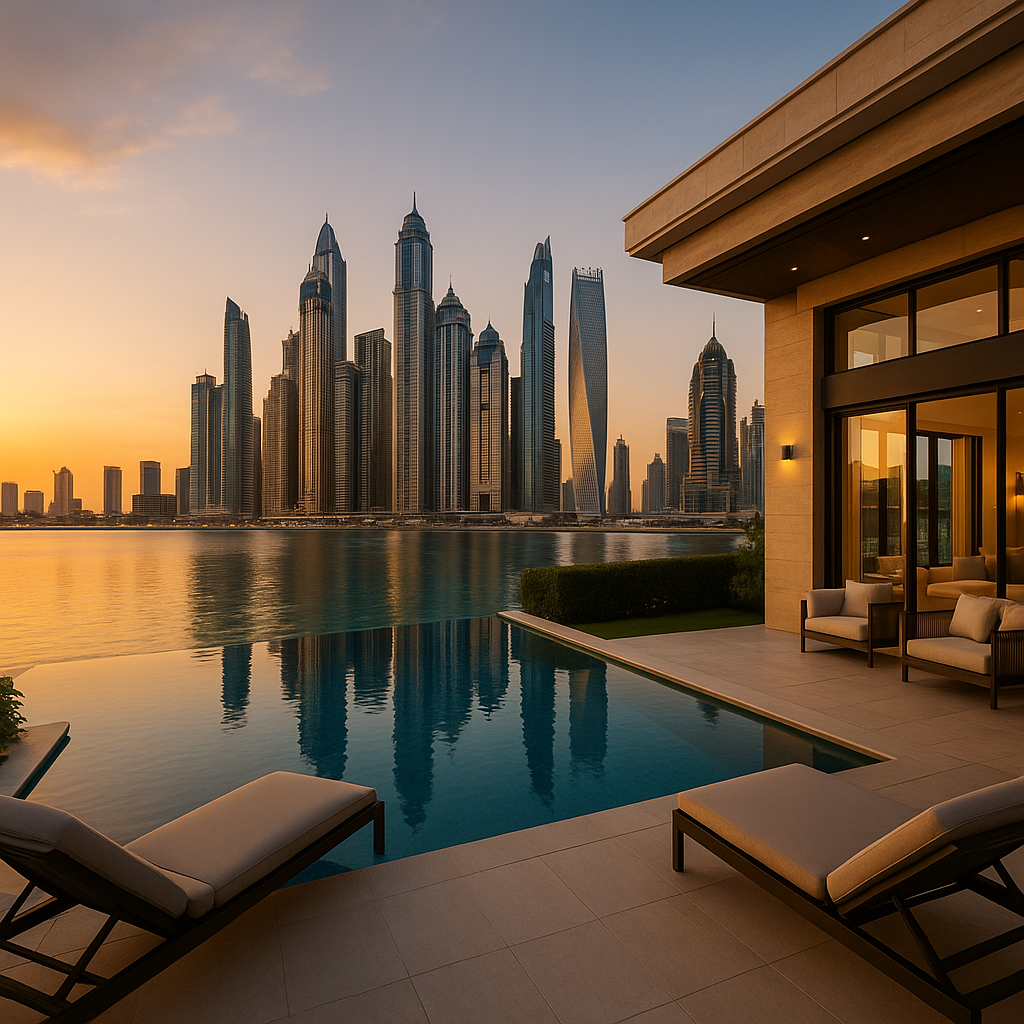
Palm Jumeirah is een architectonisch meesterwerk dat wereldwijde erkenning geniet. Wie in deze iconische archipel investeert, kan rekenen op exclusiviteit, strandtoegang en uitzichten over de Arabische Golf. Ondanks de hoge aankoopprijzen blijft de vraag naar internationaal prestige in dit gebied onverminderd. Luxe hotels, restaurants en winkelcentra zorgen voor een constante stroom toeristen en zakenreizigers, wat een voortdurende behoefte aan premium-vastgoed oplevert. Off-plan projecten op Palm Jumeirah zijn primair gericht op het high-end segment, waaronder penthouses en villa-complexen, wat een stabiele kans biedt voor langetermijnwaarde. Gezien de gevestigde status van Palm Jumeirah als een van Dubai's meest gezochte adressen, is het risicobeheeraspect hier relatief gunstig.
Business Bay
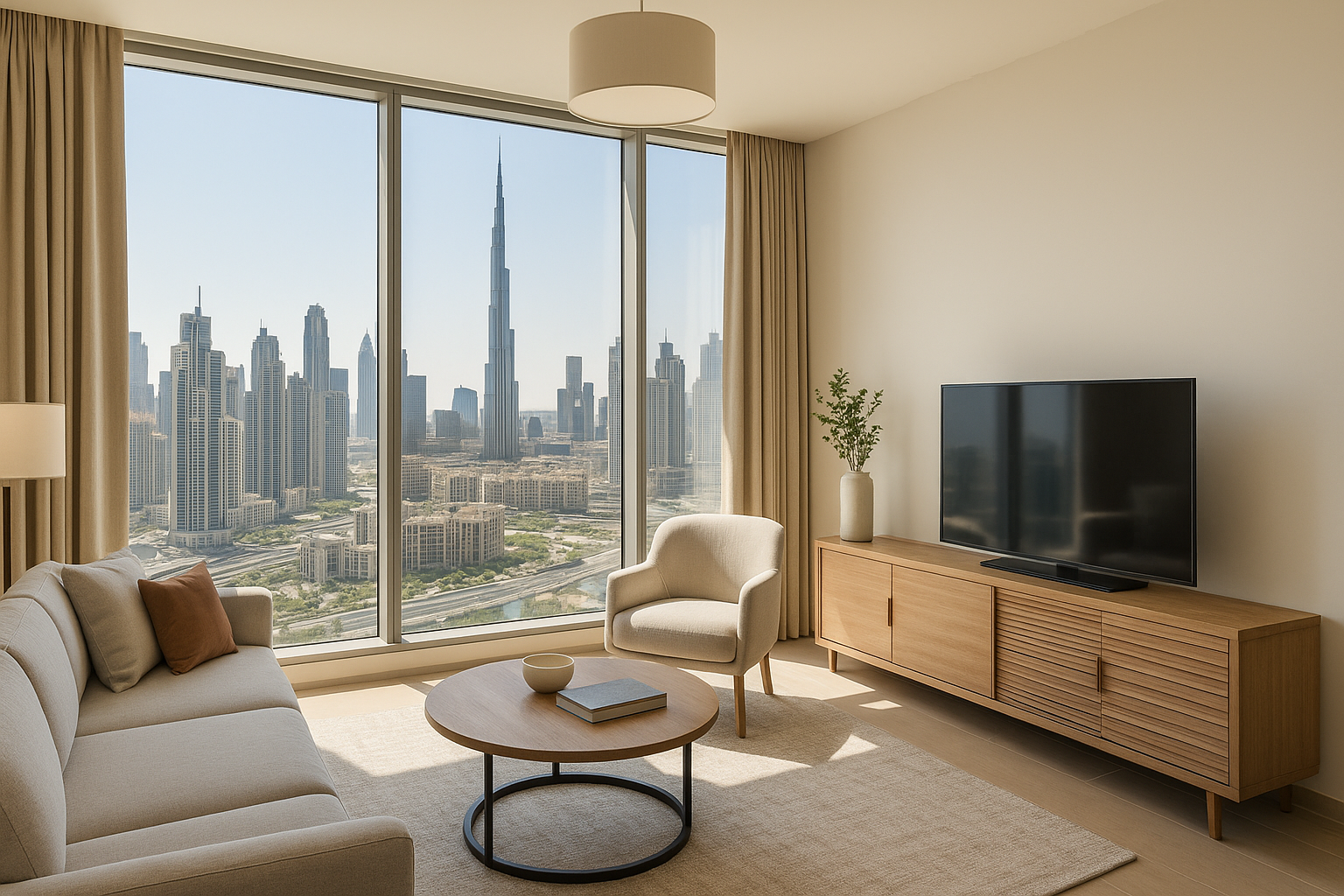
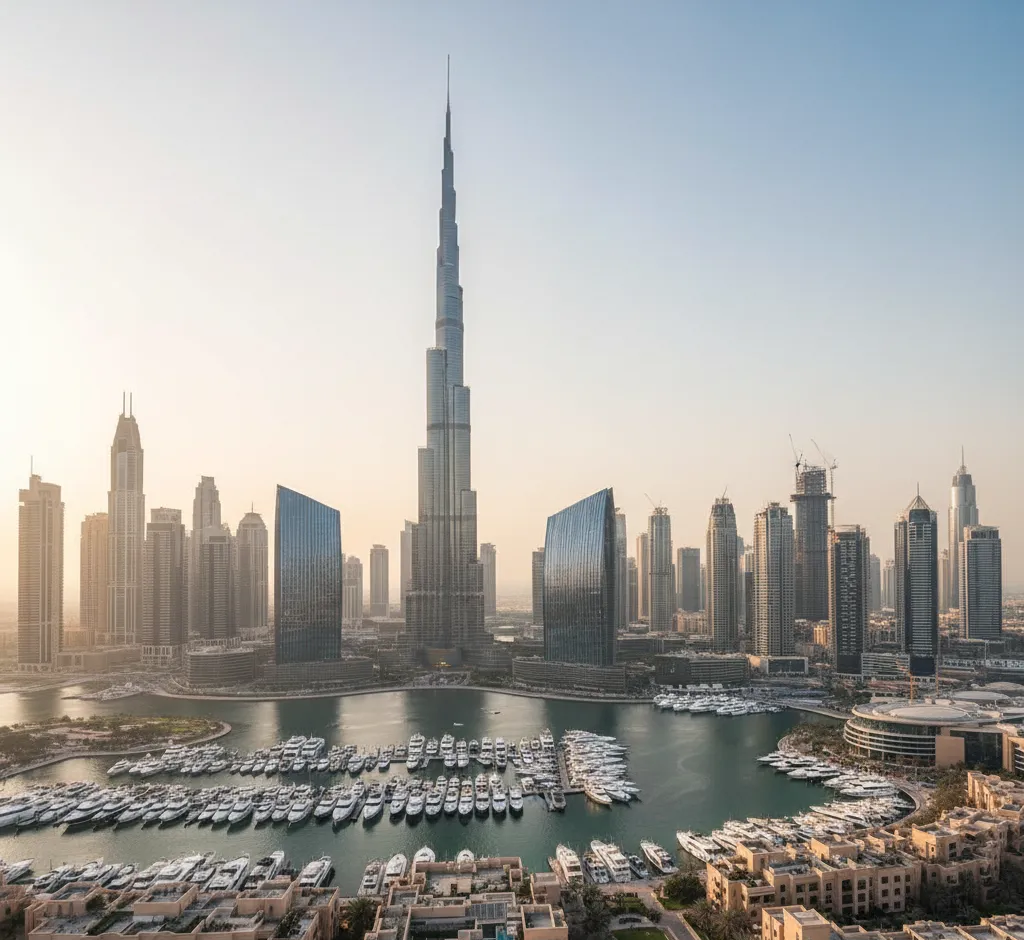
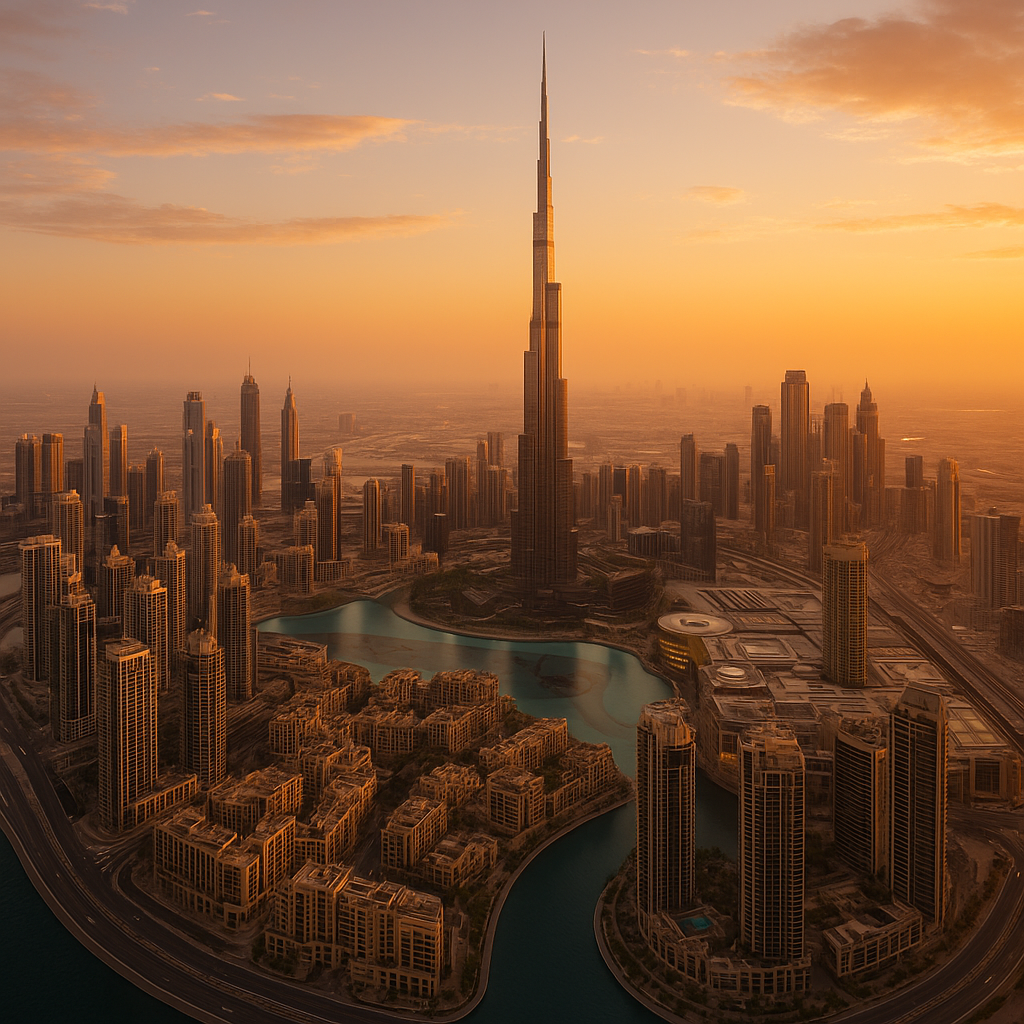
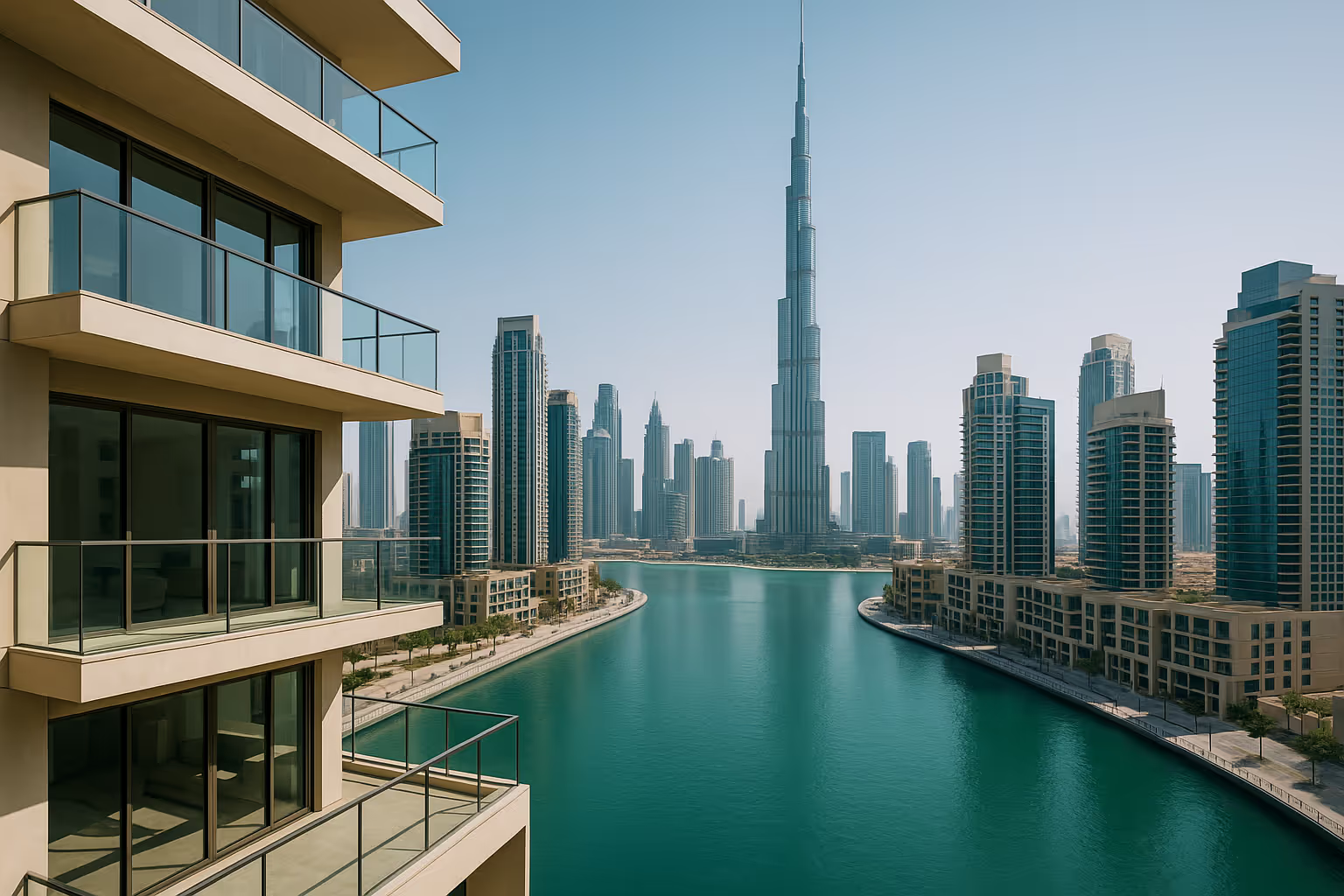
Voor investeerders die een combinatie van commerciële voorzieningen en woonfaciliteiten willen, is Business Bay al jaren een topkeuze. Dit district, dat aan Downtown Dubai grenst, herbergt talrijke financiële instellingen, kantoortorens en residentiële complexen. Als gevolg hiervan is de vraag naar huurpanden en commercieel vastgoed in Business Bay doorgaans hoog, met name van jonge professionals en internationale ondernemers die dicht bij hun werkplekken willen wonen. Off-plan projecten in Business Bay verkopen vaak snel, deels vanwege verwachte prijsstijgingen in deze strategische zone. Voor wie meer wil weten over het beheer van dergelijke panden en hoe dit zich verhoudt tot Nederland, is de vergelijkende blog over vastgoedbeheer zeer informatief.
Rendement op investering
Hoewel geen enkele investering zonder risico is, heeft off-plan vastgoed in Dubai historisch sterke mogelijkheden voor waardevermeerdering en stabiel huurinkomen geboden. Volgens onder meer rapporten van Global Property Guide en Times of India vertoont Dubai's vastgoedmarkt aanzienlijke prijscorrecties gevolgd door herstelsperioden. Deze cyclische bewegingen kunnen een kans betekenen voor investeerders die op het juiste moment instromen. Een belangrijk voordeel van off-plan aankopen is dat je vaak kunt profiteren van een gebied's groeiende aantrekkingskracht voordat de meeste andere kopers de markt betreden. Naarmate de bouw vordert en de buurt meer ontwikkelde voorzieningen krijgt, stijgen de prijzen doorgaans verder. De beoogde periode tot en met 2026 sluit naadloos aan op bestaande groeiverwachtingen. Natuurlijk speelt het type eigendom ook een rol: luxe appartementen op toerismehotspots kunnen hogere huurrendementen opleveren, terwijl meer betaalbare huizen in goed gelegen stadsdelen geleidelijk aan waarde toenemen in de loop van de tijd. Voor een beter inzicht in langetermijnontwikkelingen is het nuttig het Dubai 2040 Masterplan te raadplegen. Dit plan geeft inzicht in hoe de stad zich ruimtelijk, economisch en sociaal in de komende decennia zal ontwikkelen. Door te onderzoeken hoe infrastructuur en voorzieningen worden verdeeld, kun je beoordelen welke wijken waarschijnlijk in de komende jaren een aanzienlijke boost zullen ondergaan.
Hoe te investeren
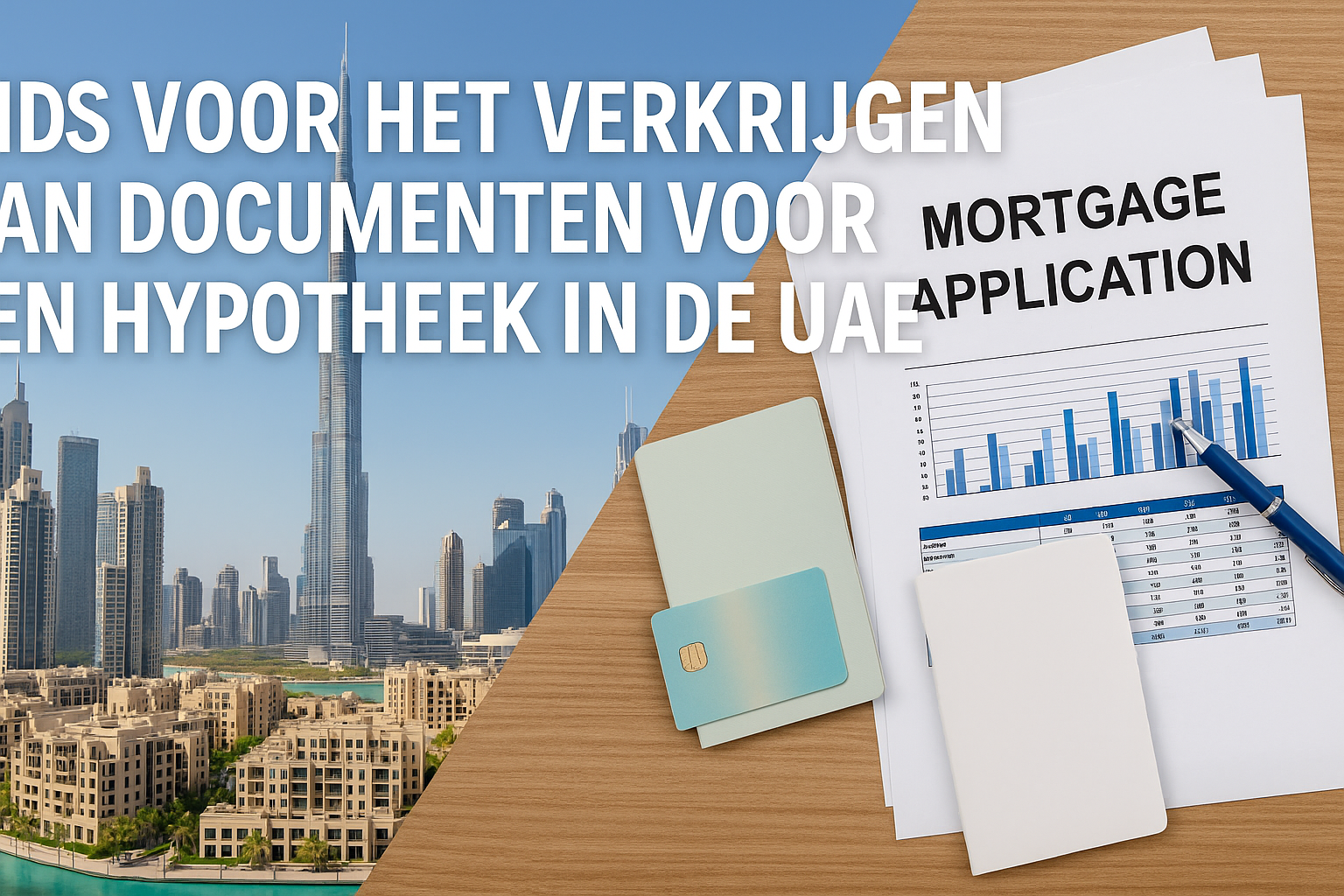
Investeren in off-plan projecten in Dubai begint met grondig onderzoek. Eerst kiest je voor een betrouwbare makelaar of adviseur die vertrouwd is met de lokale markt en de specifieke vereisten voor buitenlandse kopers. Vervolgens selecteert je projecten die aansluiten bij je budget, rendementsverwachtingen en ambities om in Dubai te wonen of van buitenaf te investeren. Voer dan je due diligence uit: controleer de achtergrond van de ontwikkelaar, bekijk referentieprojecten en beoordeel de bouwregels en tijdlijnen. Door alles van tevoren te verifiëren, voorkomt je verrassingen later. Als je voor financiering kiest, is het raadzaam zich in te werken in lokale hypotheekopties. Banken in Dubai hanteren verschillende rentetarieven en voorwaarden, vaak afhankelijk van of je al dan niet in de Emiraten woont. Je kunt overwegen expat-hypotheken met een redelijke loan-to-value ratio en flexibele aflossingsvoorwaarden. Let op dat financieringsregels regelmatig veranderen, dus zorg ervoor dat je op de hoogte blijft door een expert. Zodra alles is afgesproken, volgt de contractfase. Je ondertekent de relevante koopovereenkomsten en eventuele intentieverklaringen. In Dubai moeten alle transacties worden geregistreerd via het Dubai Land Department, wat transparantie en rechtszekerheid garandeert. Na ondertekening van het contract betaal je doorgaans een initiële aanbetaling, waarna betalingsschema's volgen op basis van bouwvoortgang. Deze kunnen variëren van maandelijkse tot driemaandelijkse betalingen, afhankelijk van wat je met de ontwikkelaar bent overeengekomen. Wie niet alleen wil investeren maar ook naar Dubai wil verhuizen, kan raadplegen in de visumgids 2025 voor Nederlandse burgers. Deze gids legt uit welke stappen en documenten nodig zijn om wettelijk in de VAE te verblijven, wat ideaal is voor wie dicht bij de markt wil zijn of meer controle over huuroperaties wil behouden. Uiteindelijk komt succesvolle off-plan investering in Dubai neer op planning, grondig onderzoek en samenwerking met vertrouwde professionals. Neem de tijd om alle details door te nemen voordat je een uiteindelijke beslissing neemt.
Soorten onroerend goed
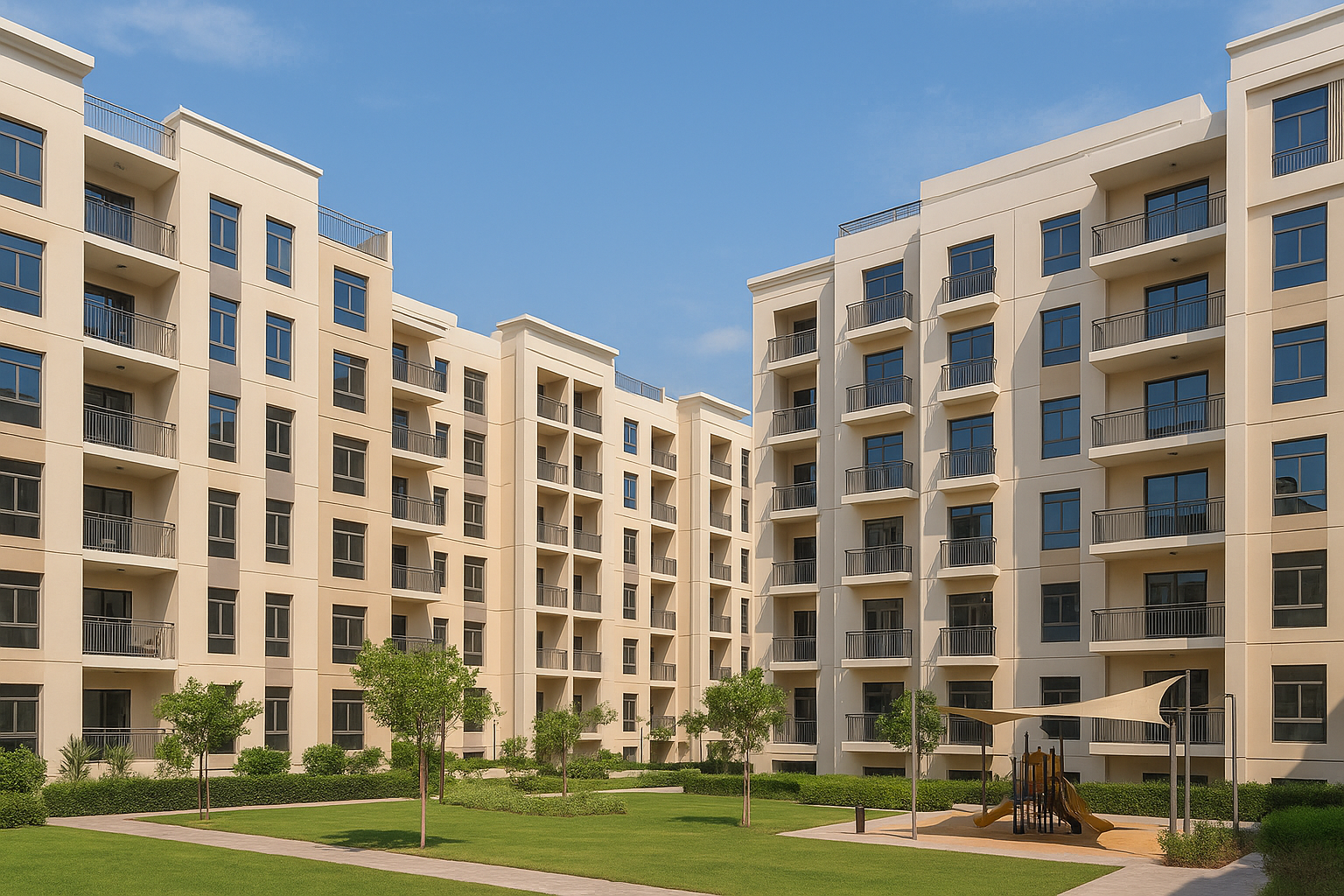
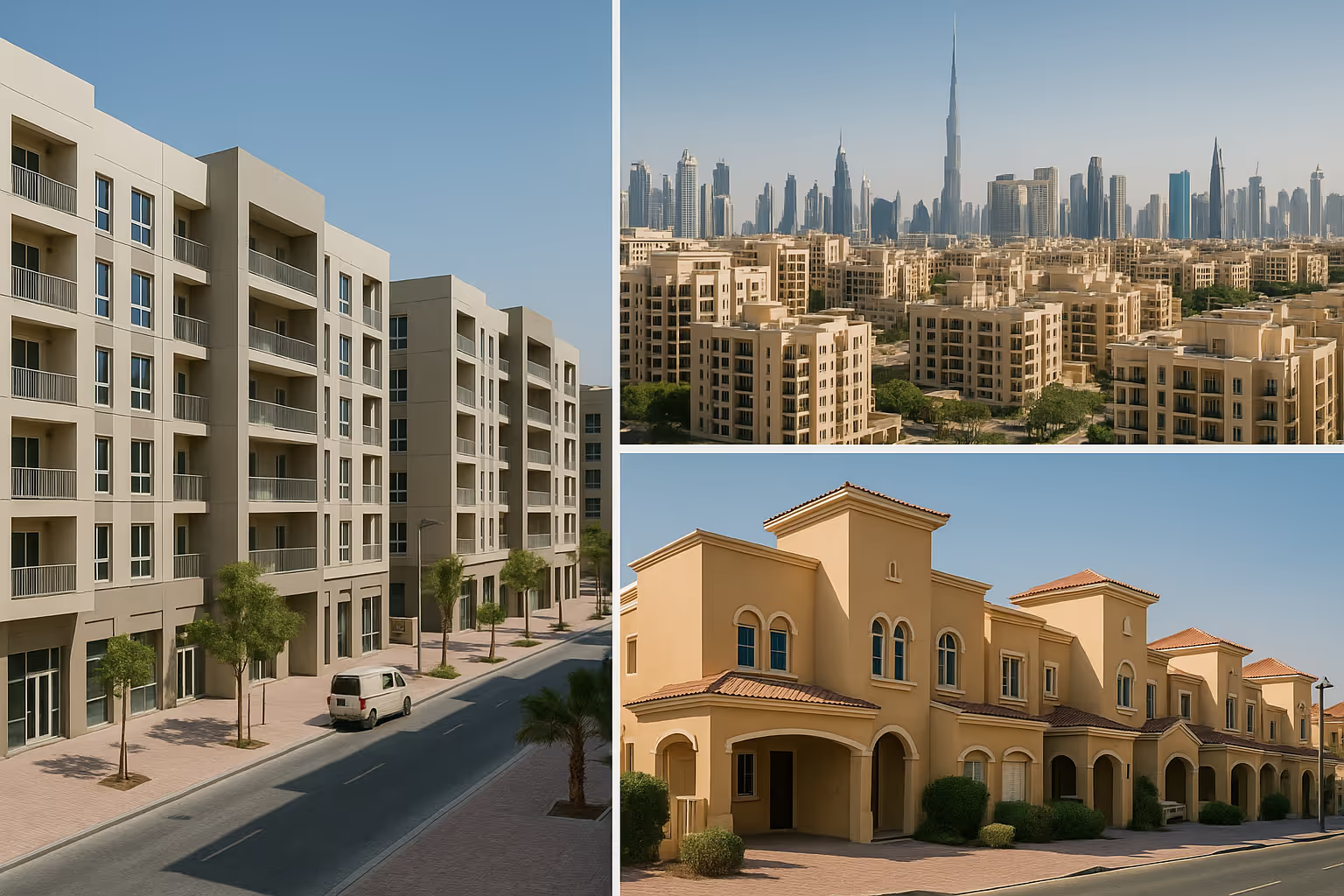
Als we het over off-plan investeren in Dubai hebben, komt het beeld van ultramoderne woongebouwen en luxe appartementen direct naar voren. Het aanbod is echter aanzienlijk diverser. Naast deze toplocaties zijn er ook mid-range appartementen, townhouses en vrijstaande villa's verkrijgbaar tijdens de bouwfase. Bovendien zien we een toename van commerciële eenheden, zoals kantoorruimtes en winkelpanden, die als off-plan projecten worden aangeboden. De keuze van eigendomstype is nauw verbonden met je investeringsdoel. Wie vooral snel rendement nastreeft, vindt een studio of appartement in een populaire wijk vaak aantrekkelijker, omdat de verhuurvraag doorgaans hoog is. Voor wie gericht is op residentiële stabiliteit en groter appreciatiepotentieel, kunnen begane-grondse eigendommen zoals townhouses en villa's nog interessanter zijn. Op Palm Jumeirah zijn er bijvoorbeeld prestigieuze villa's met privé-strandtoegang, geschikt voor investeerders gericht op het premium segment. Het verhuren van zo'n pand aan toeristen en kortverblijfgasten kan aanzienlijke inkomsten genereren. Wees echter voorbereid op hogere onderhoudskosten bij luxe onroerend goed, dus zorg ervoor dat je alles zorgvuldig doorrekent. Commercieel onroerend goed biedt daarentegen doorgaans langetermijnhuurovereenkomsten en stabielere inkomstenstromen, maar onderligt andere regelgeving. Welke keuze je ook maakt, het is raadzaam vertrouwd te raken met de dynamiek van de specifieke markt, het type huurders en de verwachte lange-termijnopbrengsten.
Risico's en voordelen
Elk vastgoedproject draagt inherente risico's met zich mee, en Off Plan Dubai is geen uitzondering. Een van de primaire risico's zijn bouwvertragingen. Hoewel escrow-rekeningen en strikte regelgeving de kans op onvoltooide projecten beperken, kunnen vertragingen vanwege technische, financiële of door de regering veroorzaakte redenen niet worden uitgesloten. Bovendien kan het uiteindelijk geleverde product afwijken van het oorspronkelijke ontwerp. Het is daarom belangrijk contractueel vast te leggen wat er gebeurt bij substantiële wijzigingen. Aan de andere kant zijn de voordelen aanzienlijk. Je kunt een pand tegen een lagere prijs dan bestaande onroerend goed veiligstellen, terwijl de waarde bij oplevering significant kan stijgen. Voeg daar Dubais economisch momentum aan toe: de stad blijft mensen aantrekken dankzij een hoge levensstandaard, belastingvoordelen en talrijke werkgelegenheidsmogelijkheden. Zelfs tijdens tijdelijke marktrectificaties toont de vastgoedsektor in de Verenigde Arabische Emiraten vaak een sneller herstel dan in sommige andere wereldwijde hotspots. Bovendien is de potentiële verhuurmarkt stabiel, met een breed scala aan expats die zowel korte als lange termijnaccommodatie zoeken. In een positief marktklimaat kan dit betekenen dat je niet alleen je initiële investering terugverdient, maar ook een aantrekkelijk rendement oplevert.
Advies en tips
Voor internationale investeerders die overwegen deel te nemen aan off-plan projecten, zijn er verschillende sleutelaanbevelingen. Eerst is het cruciaal een betrouwbare partner of makelaar te kiezen met een bewezen track record op Dubais vastgoedmarkt. Haast je niet; neem de tijd om verschillende aanbiedingen te vergelijken. Bekijk de track record van de ontwikkelaar, de kwaliteit van eerdere projecten en hun reputatie bij lokale autoriteiten. Het is ook verstandig vertrouwd te raken met Dubais institutionele kaders. Hoewel veel buitenlandse kopers hier succesvol investeren, kan het verkrijgen van een hypotheek of het regelen van verzekeringen iets ingewikkelder zijn dan in je thuisland. Zoek daarom begeleiding van gespecialiseerde advocaten en belastingadviseurs die goed thuis zijn in de VAE. Je profiteert mogelijk ook van een gerenommeerd property management bedrijf als je het pand niet zelf wilt beheren. Verder is het belangrijk realistische verwachtingen te hebben. Hoewel waardetoenames in Dubai indrukwekkend kunnen zijn, moeten investeerders altijd rekening houden met economische schommelingen en mogelijke vertragingen. Een solide financiële buffer wordt aanbevolen. Tot slot loont het de moeite om bij de projectontwikkeling betrokken te blijven, bijvoorbeeld door regelmatige updates van de ontwikkelaar. Op deze manier kun je snel zien of alles op schema ligt en of aanvullende maatregelen nodig zijn. Zolang je goed geïnformeerde beslissingen neemt, contracten zorgvuldig leest en de voortgang blijft monitoren, kan Off Plan Dubai 2026 een uitzonderlijk veelbelovende investeringsroute zijn.
Conclusie
Dubais vastgoedmarkt maakt al jaren indruk met futuristische bouwprojecten en een ongekend tempo van stadsvernieuwing. Off Plan Dubai 2026 vertegenwoordigt de mogelijkheid om vroeg in projecten in te stappen terwijl deze nog in aanbouw zijn. Deze investeringsmogelijkheid biedt zowel potentieel voor significante kapitaalwaardering als een stabiele stroom van huurinkomsten, vooral gezien de groeiende vraag naar moderne woon- en commerciële ruimtes in een stad die blijft uitbreiden. Tegelijkertijd is het belangrijk realistisch te blijven en voorbereiding te treffen voor mogelijke uitdagingen, zoals bouwvertragingen of veranderende marktomstandigheden. De beste manier om risico's te beperken is grondige voorbereiding: raadpleeg betrouwbare bronnen, volg bouwupdates, werk met professionele adviseurs en zorg voor juiste registratie van je eigendom bij de autoriteiten. Dubai zelf biedt uitstekende infrastructuur, een breed scala aan stedelijke voorzieningen en een goed doordachte visie op de toekomst, zoals beschreven in het Dubai 2040 Masterplan. Wie strategisch kan denken, zal merken dat Off Plan Dubai 2026 een veelbelovende aanvulling op een gediversifieerd vastgoedportfofolio kan zijn. Mocht je van plan zijn ondertussen naar de Emiraten te verhuizen, vergeet dan niet te informeren naar lokale visumvereisten en praktische zaken zoals verzekeringen en onderwijs voor kinderen. Veel succes met het verwezenlijken van je investeringsplannen op een van 's werelds meest innovatieve en internationale vastgoedmarkten!
Veelgestelde vragen
Is off-plan onroerend goed in Dubai veilig om in te investeren?
Ja, de regering van Dubai heeft strikte regelgeving en escrow-rekeningen ingesteld om kopers te beschermen. Als je de reputatie van de ontwikkelaar verifieert en de nodige due diligence uitvoert, is de investering over het algemeen veilig en transparant.
Kan een buitenlandse investeerder een hypotheek in Dubai krijgen?
Ja, dat kan. Verschillende banken in de VAE bieden hypotheken aan buitenlanders, hoewel de voorwaarden kunnen afwijken van wat je in je thuisland gewend bent. Raadpleeg een gespecialiseerde hypotheekadviseur om de beste deal te vinden.
Hoe lang duurt het doorgaans voordat een off-plan project is voltooid?
Dit varieert per project en ontwikkelaar, maar de bouw duurt over het algemeen twee tot vier jaar. Onvoorziene vertragingen doen zich voor, dus houd rekening met mogelijke overschrijdingen.
Welke kosten zijn gemoeid met het kopen van off-plan onroerend goed?
Naast de aankoopprijs kun je registratiekosten bij het Dubai Land Department, makelaarshonoraria en mogelijke financieringskosten tegenkomen als je een hypotheek afsluit. Zorg ervoor dat je van tevoren een duidelijk kostenenoverzicht heeft.
Waarom is Dubai zo populair onder expats?
Dubai biedt een gunstige belastingomgeving, internationale scholen, modern gezondheidszorg, uitstekende infrastructuur en talrijke carrièremogelijkheden. Deze factoren trekken elk jaar talrijke hoogopgeleide expats aan die kwaliteitsvastgoed nodig hebben.
Meer weten over investeren in Dubai vastgoed?
Wil je dit onderwerp toepassen op jouw situatie? Download de gratis Dubai vastgoed gids, bekijk het actuele Dubai vastgoed aanbod of plan een gratis gesprek met Dubai-Property.nl.












.png)
.png)

.png)

.avif)
.avif)










.svg)
.svg)
.svg)