
.svg)


Ambitieuze plannen van Dubai
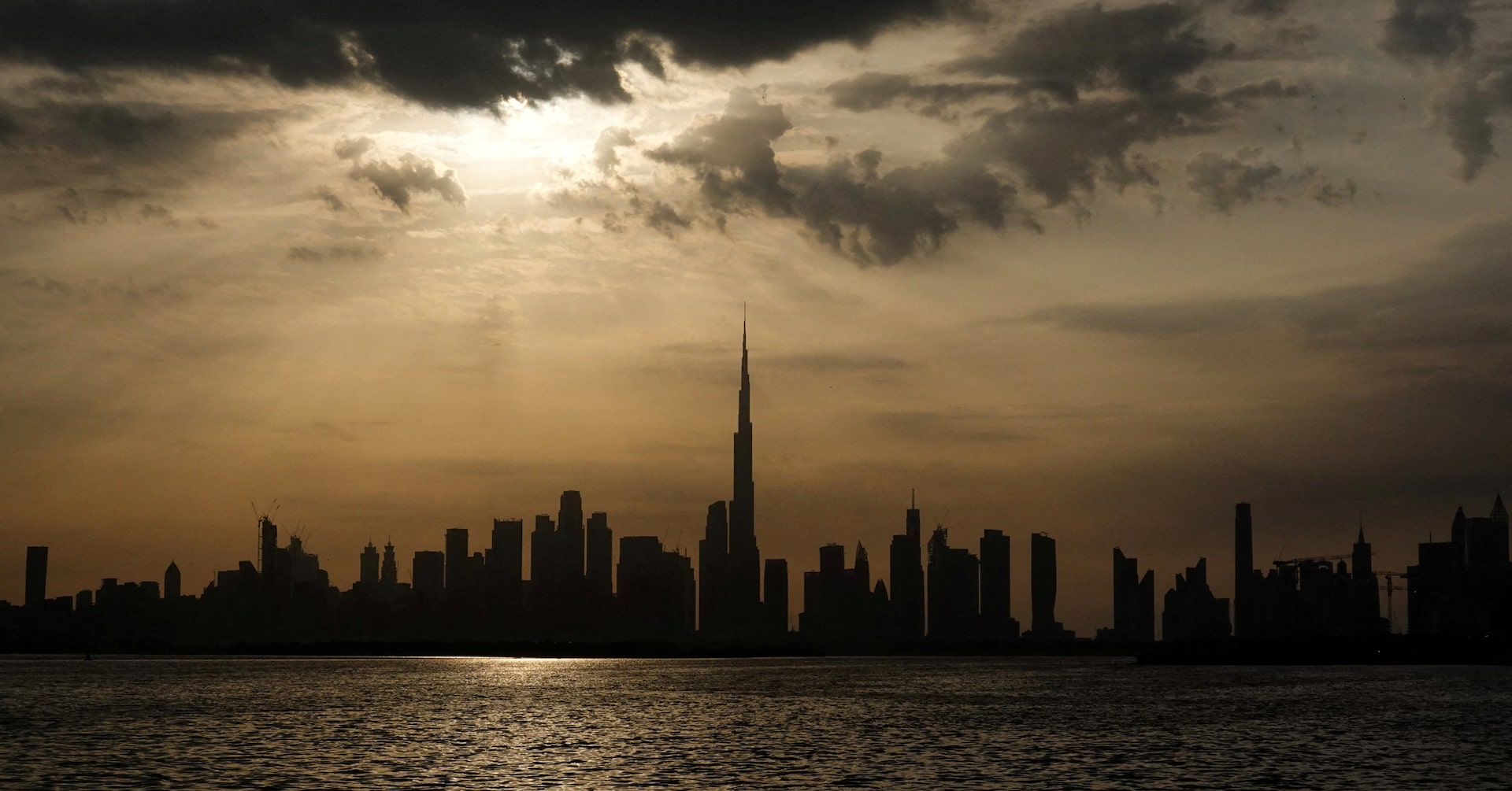
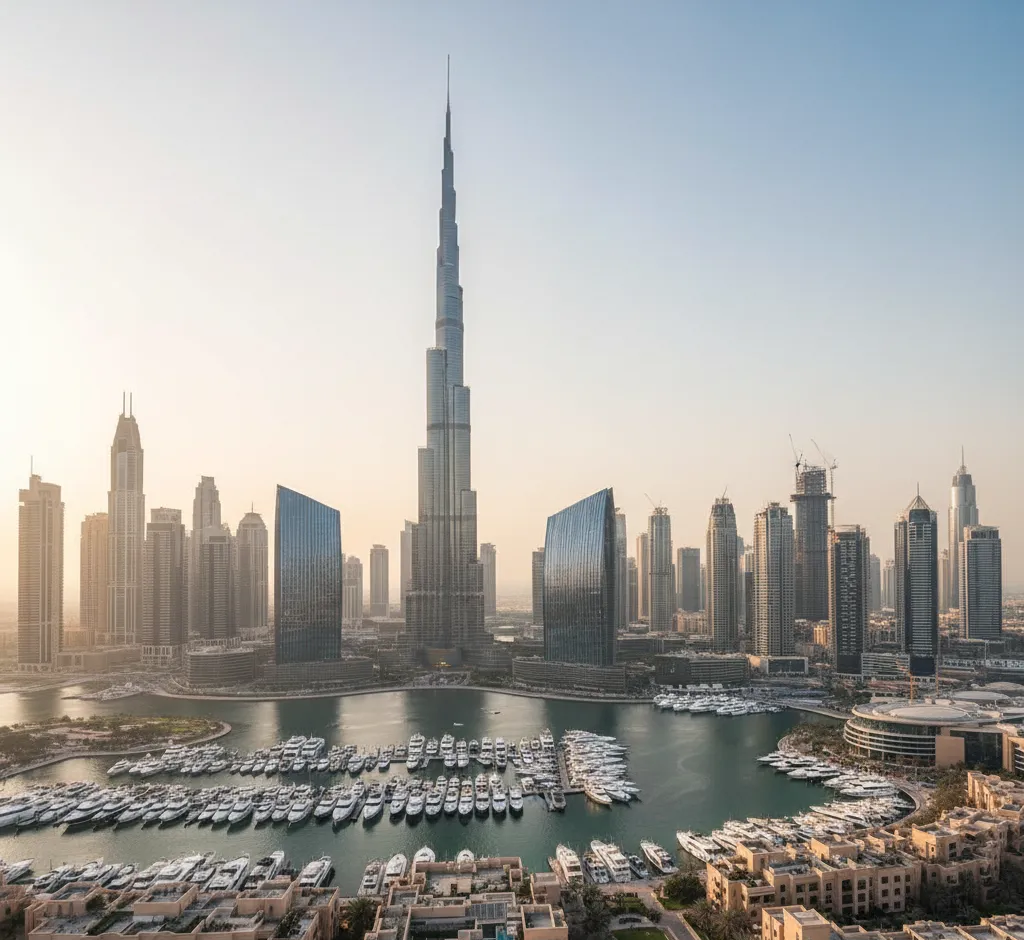
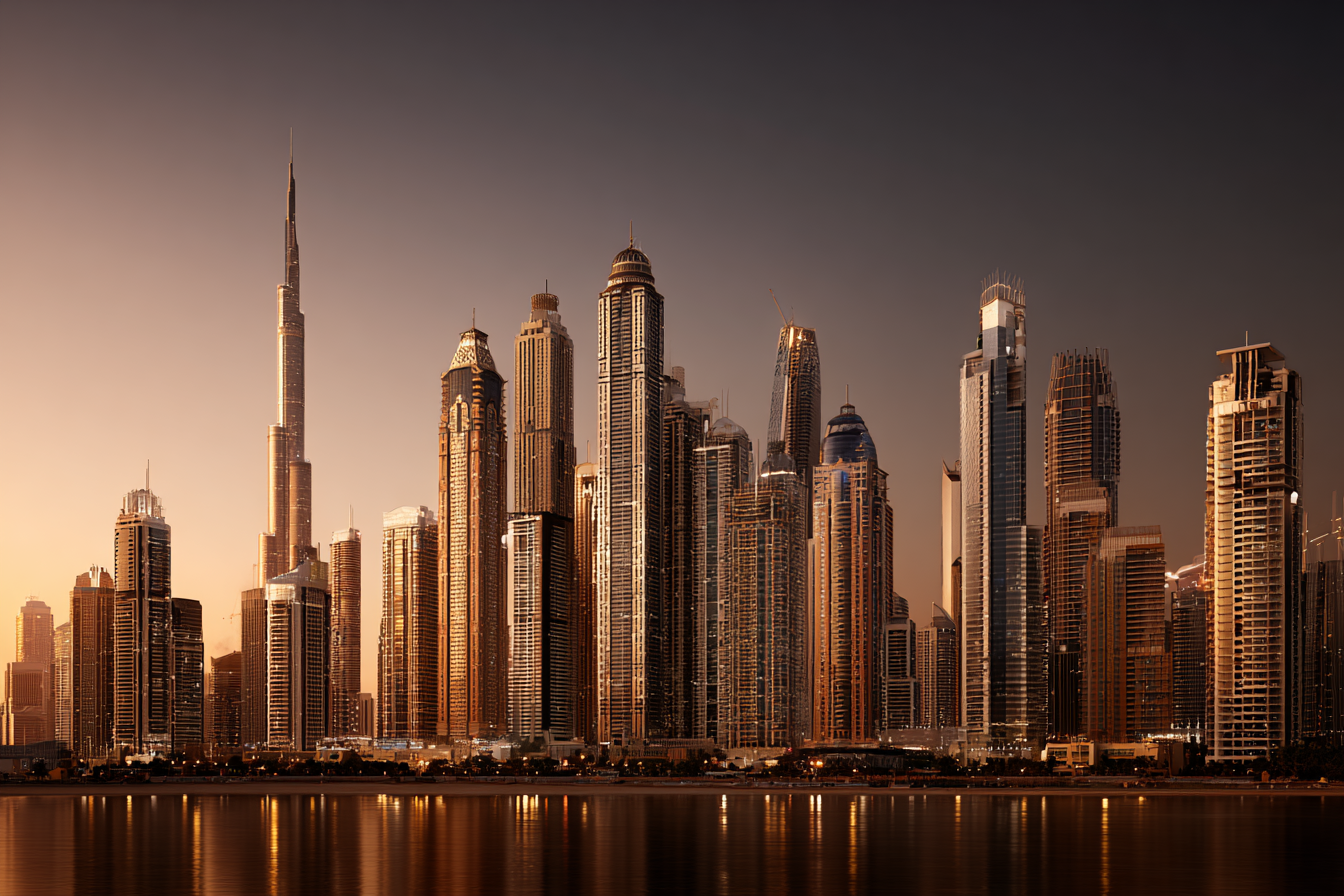
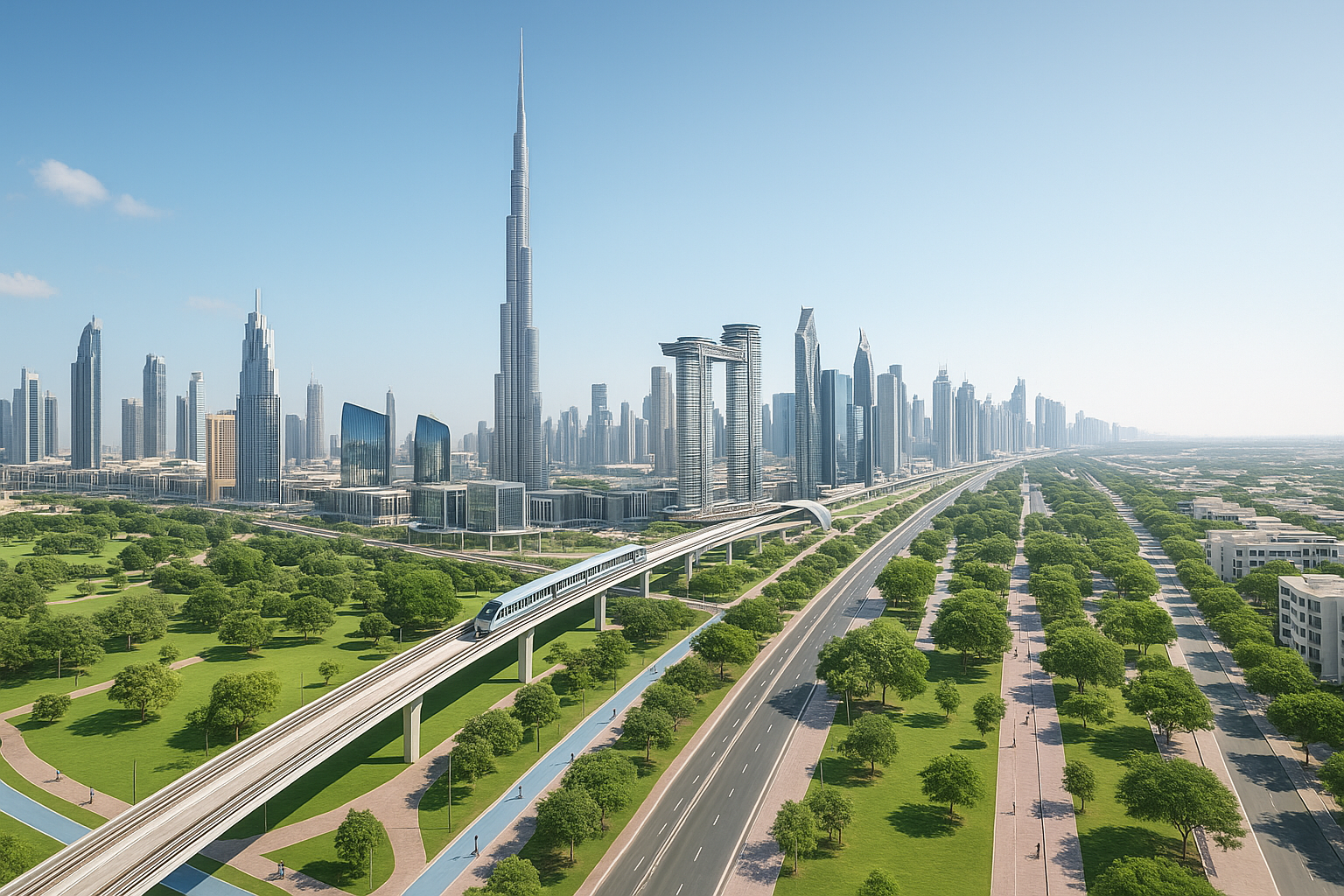
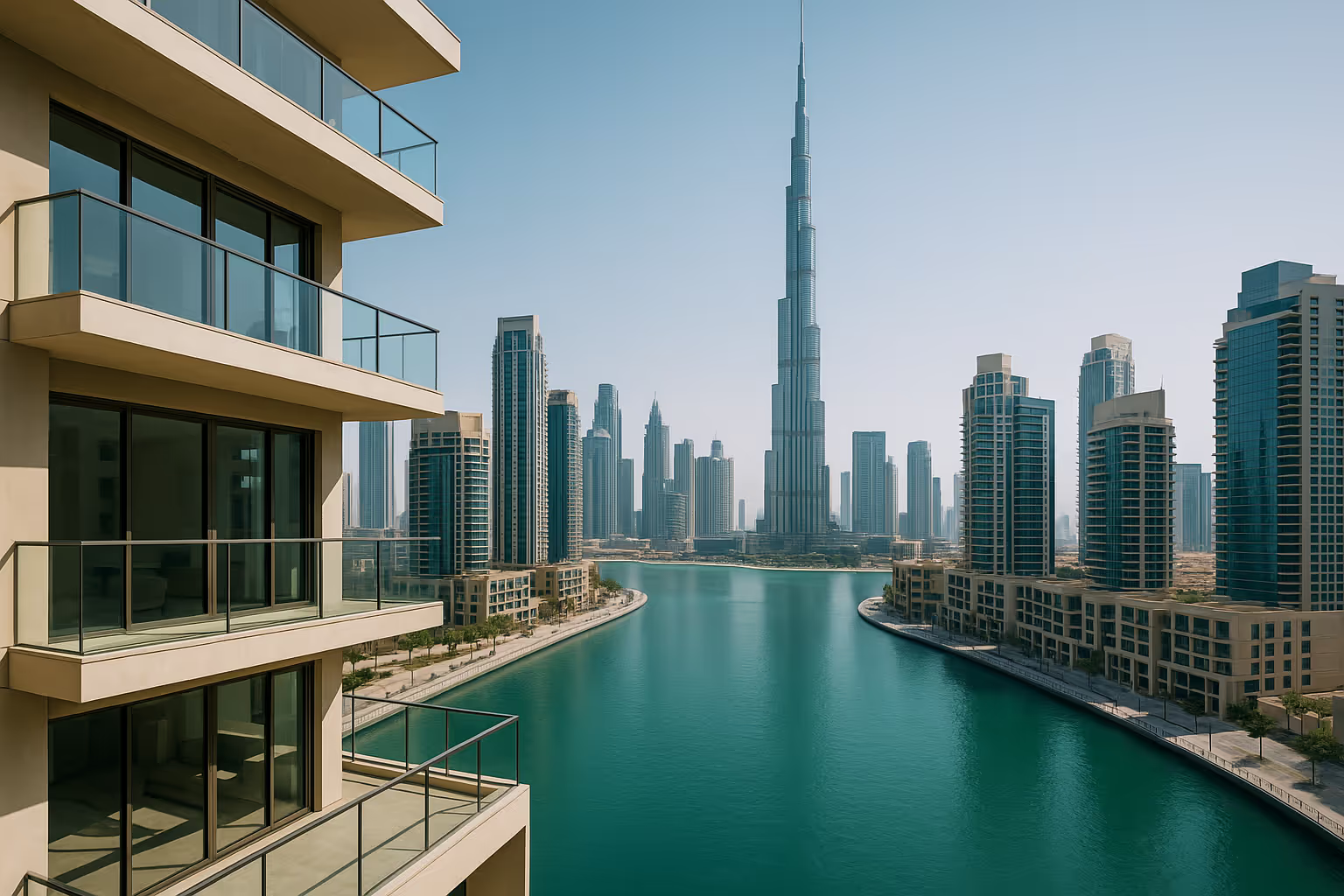
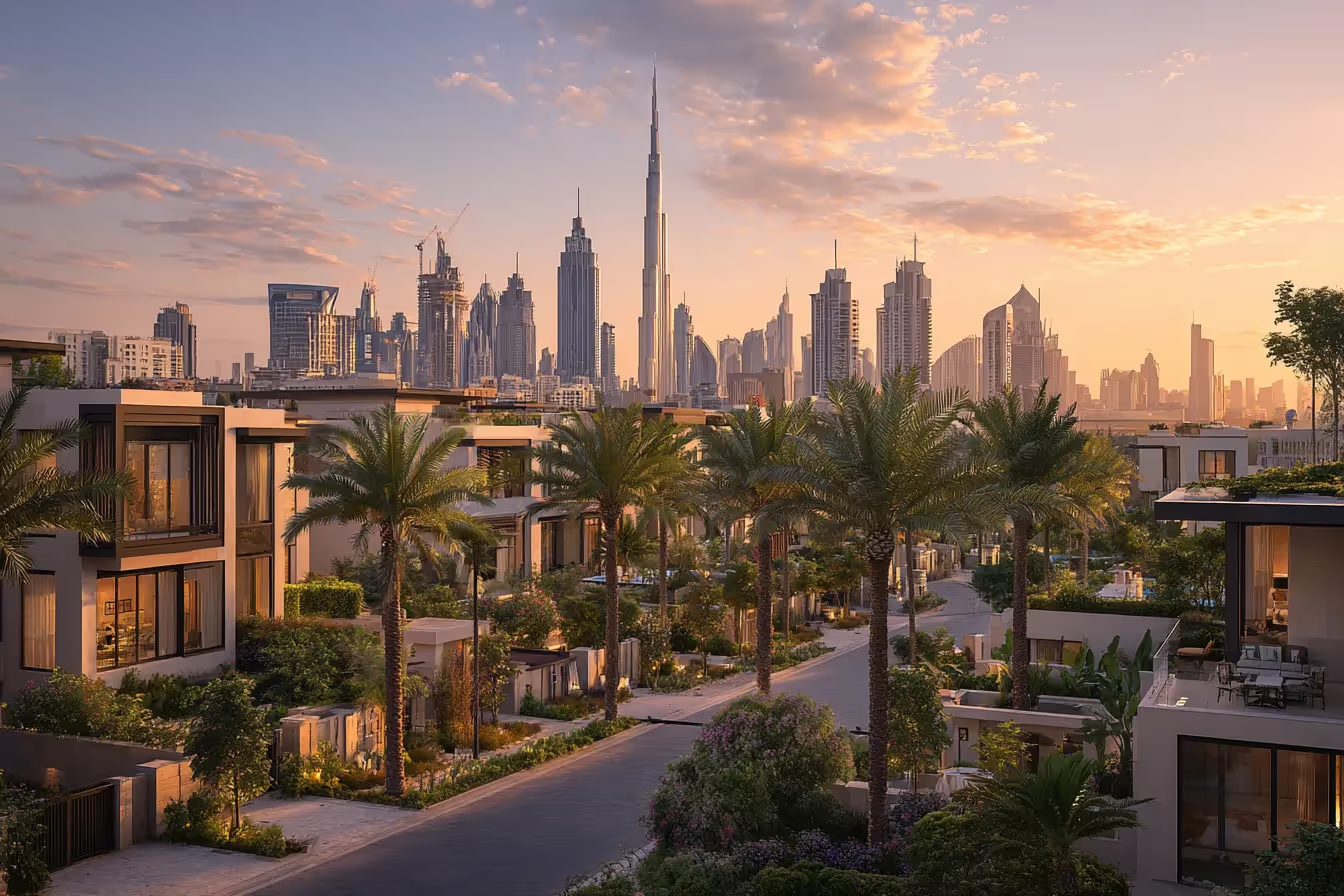
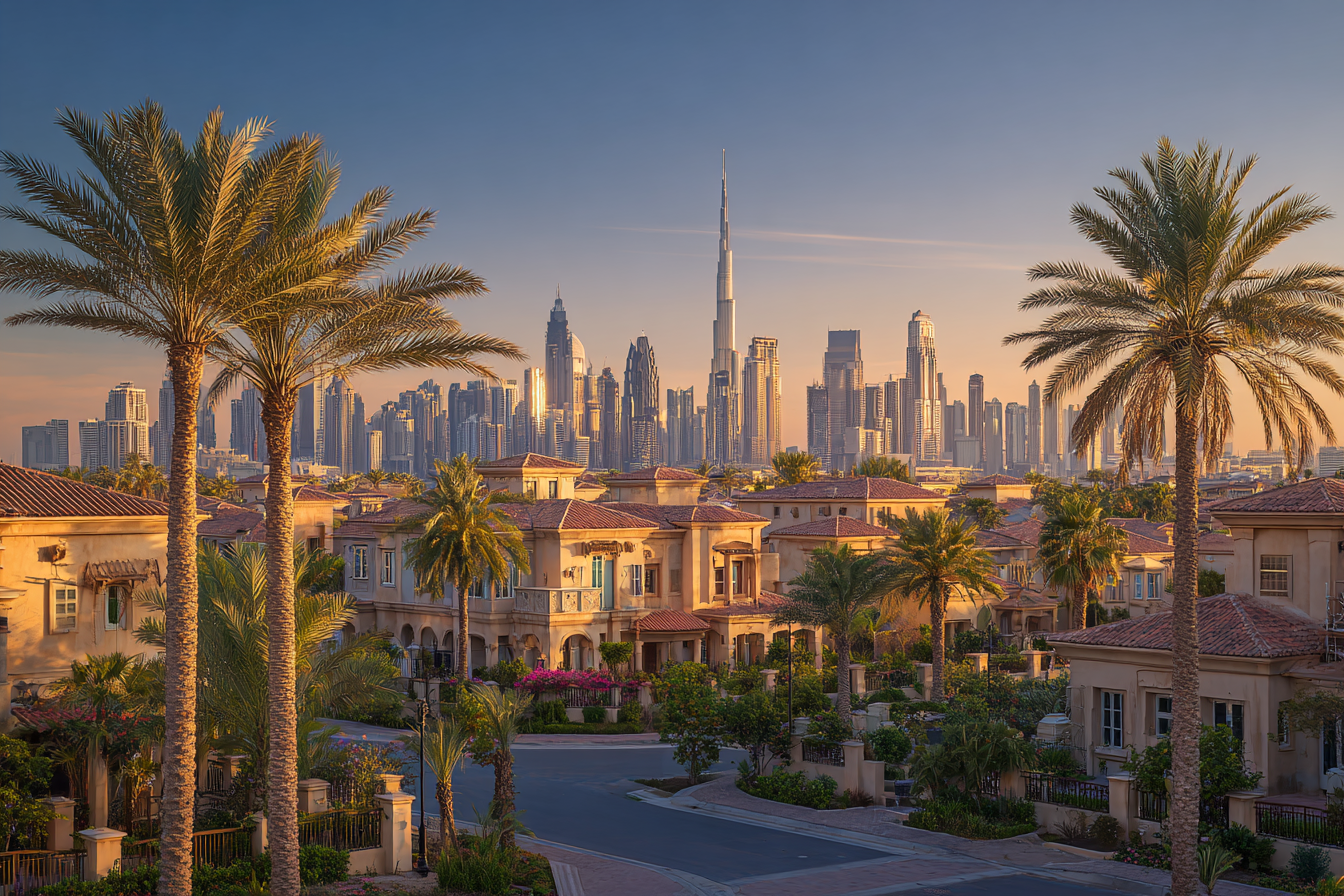
De ambitieuze plannen van de regering voor 2033 en 2040 schetsen een visie om de bevolking van de stad meer dan te verdubbelen tot 7,8 miljoen in 2040, vergeleken met de huidige 3,6 miljoen inwoners. Om deze groei op te vangen, ramen wij in dat de stad jaarlijks 70.000 extra woningen nodig heeft tot 2040. Projecties geven echter aan dat in de komende vijf jaar slechts 22.000 woningen per jaar opgeleverd zullen worden. Dit benadrukt niet alleen de omvang van de kans, maar ook het aanbod-vraagverschil dat naar verwachting de stijgende vastgoedwaarden zal blijven drijven.
Economische groei en de vastgoedmarkt
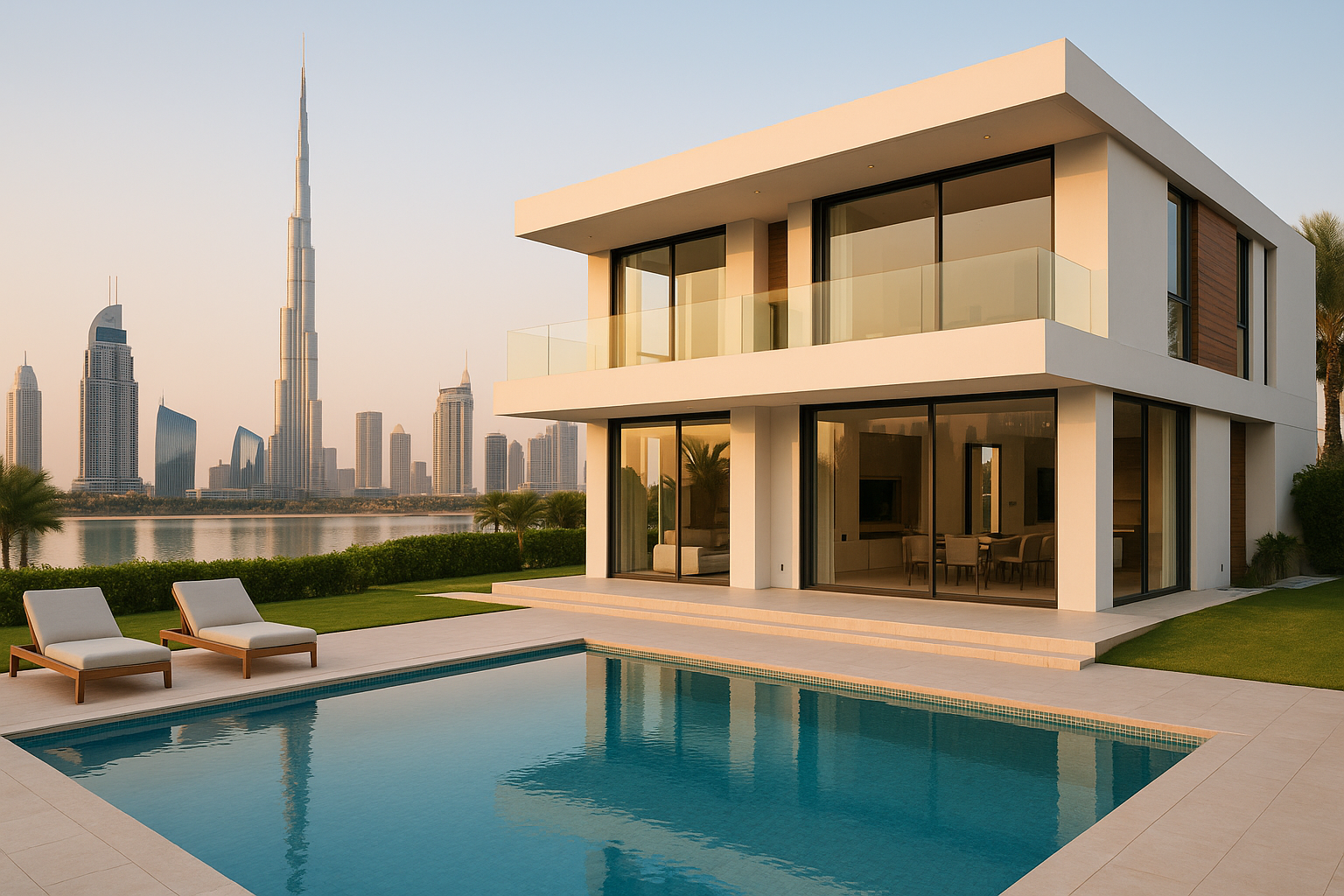
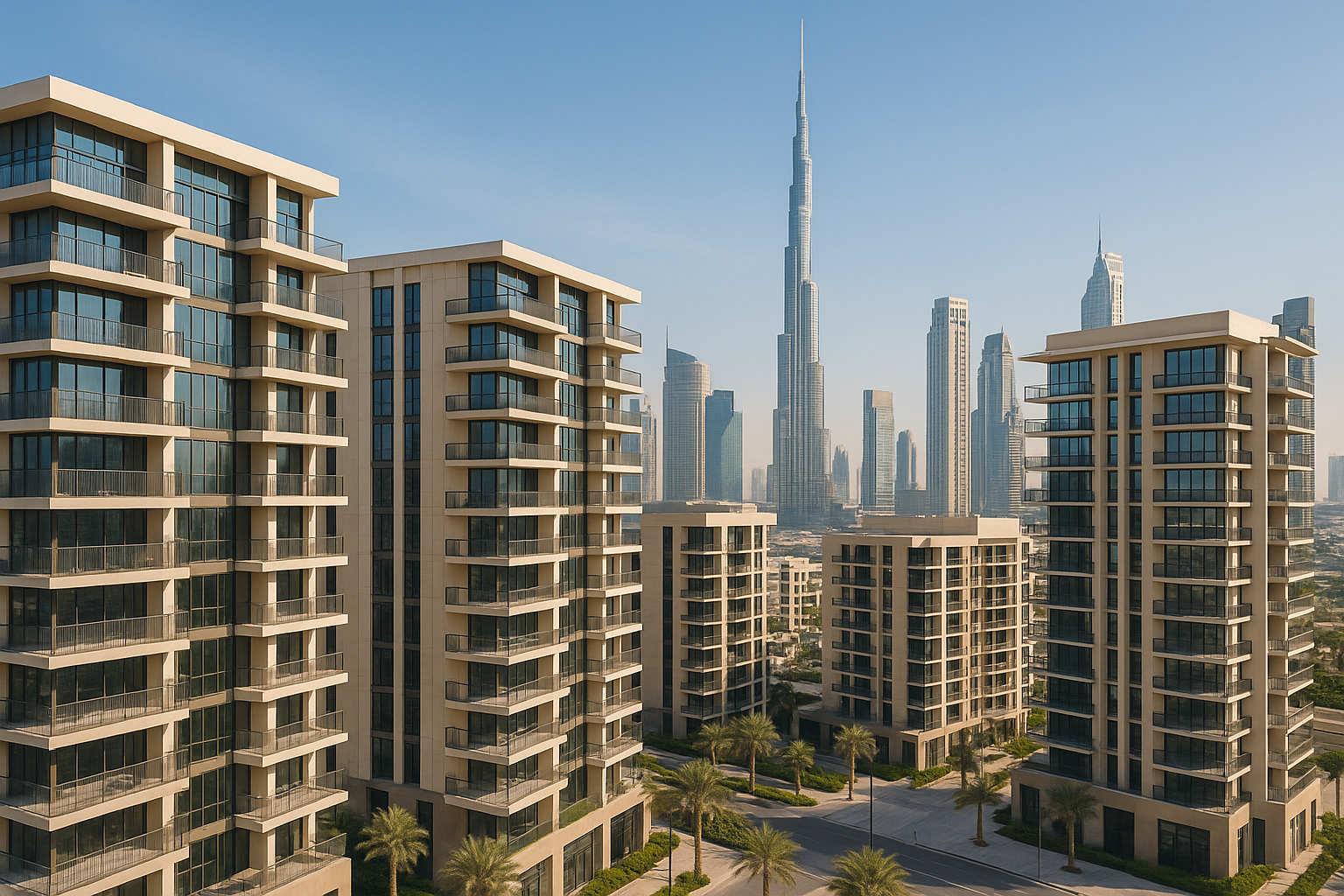
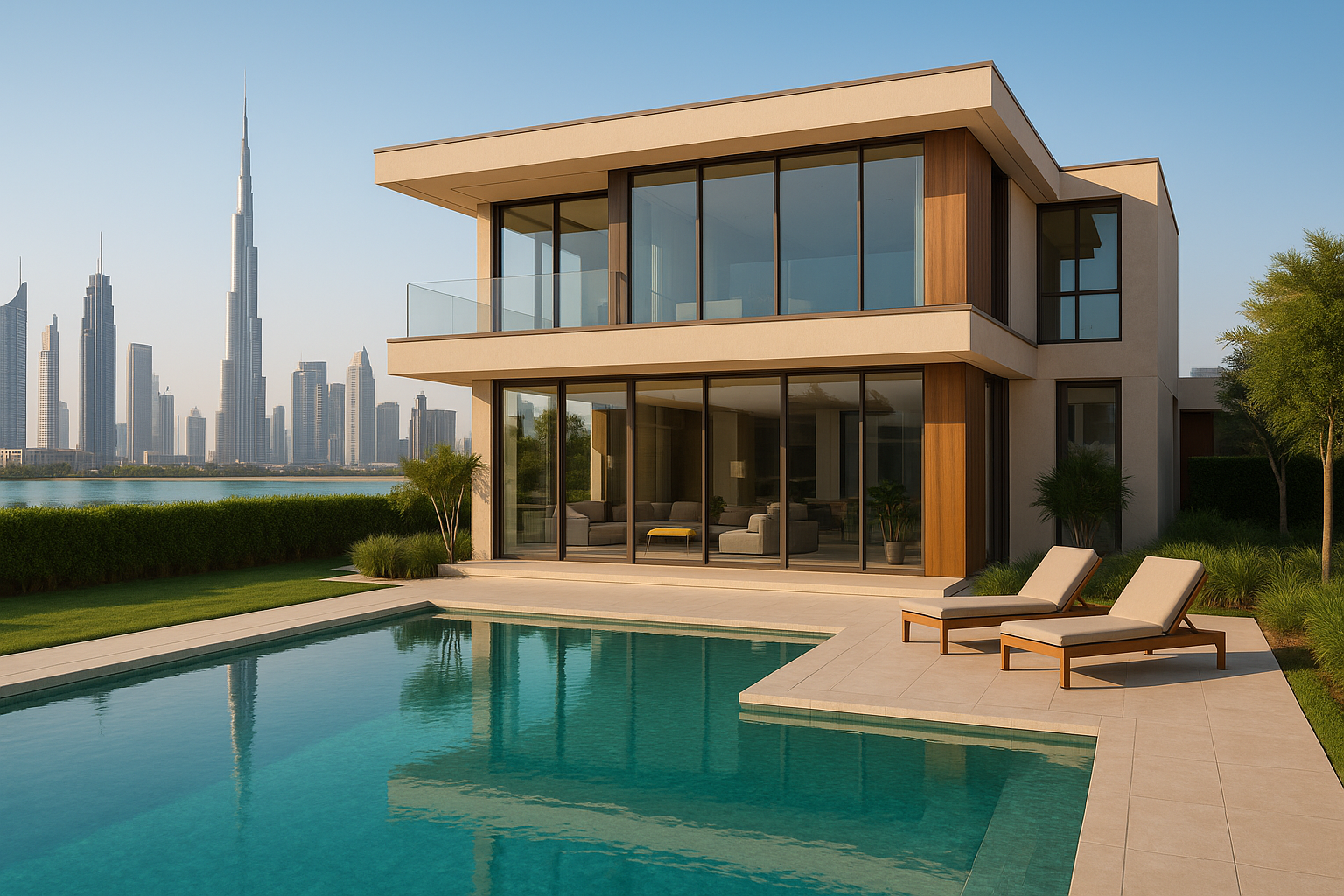
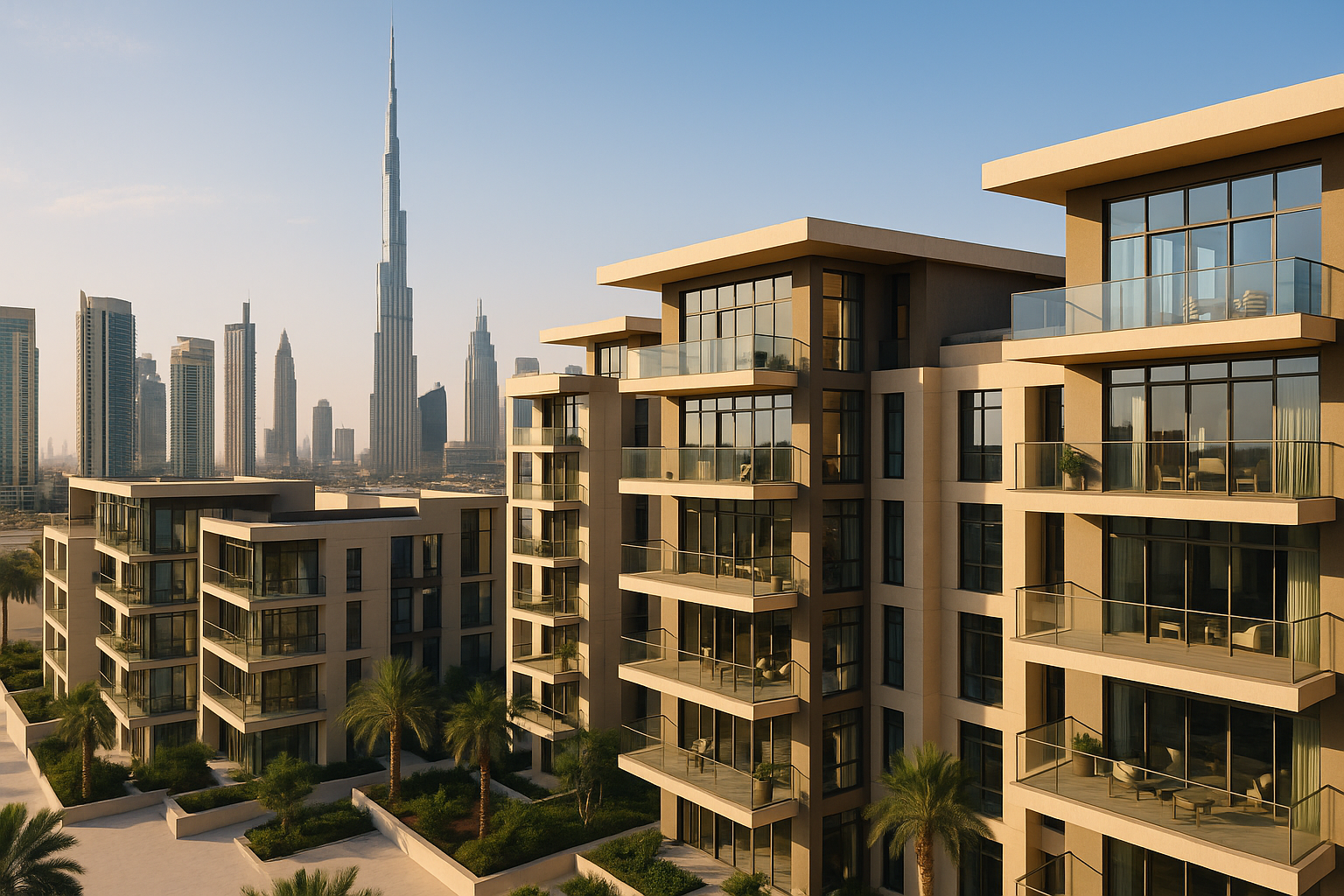
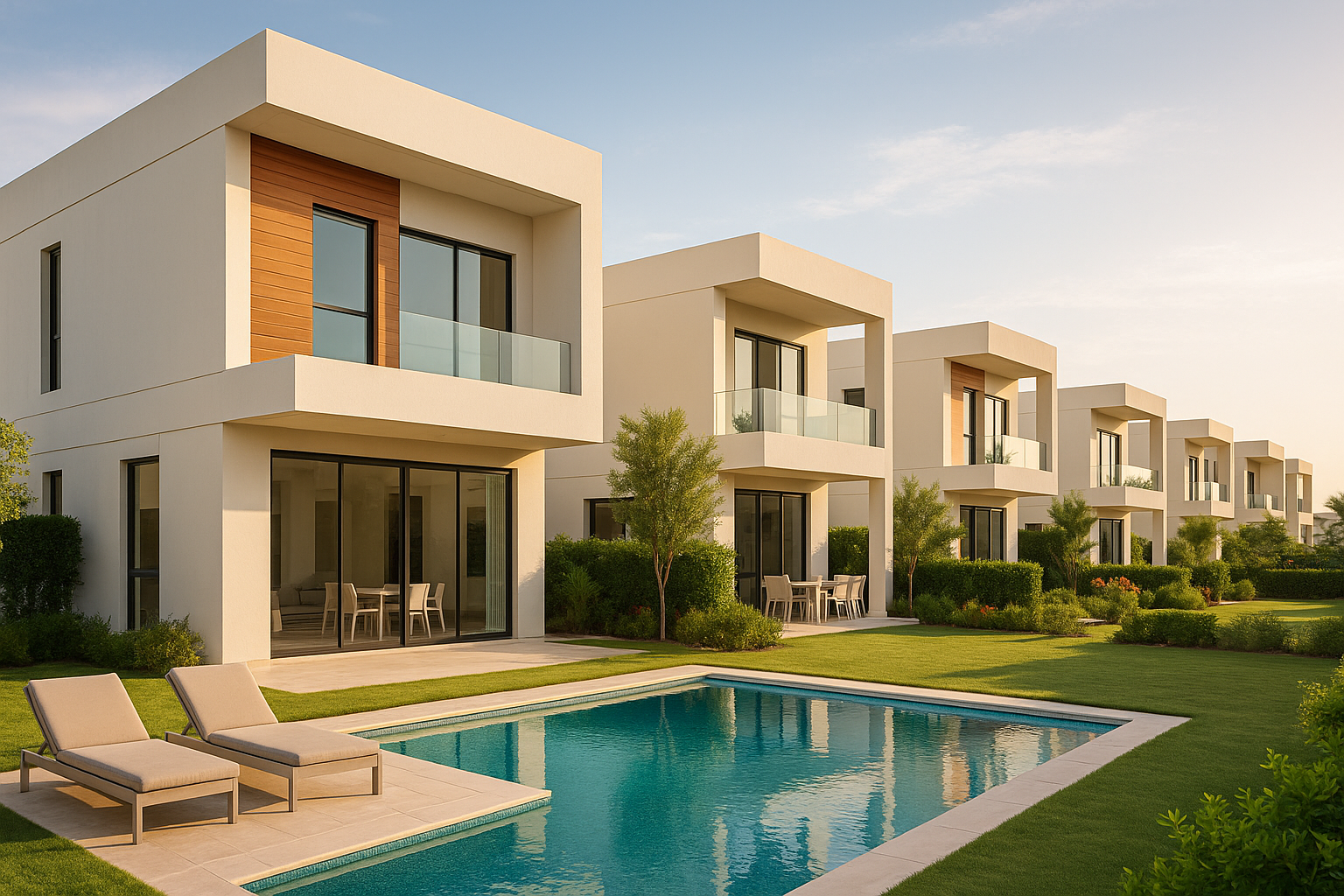
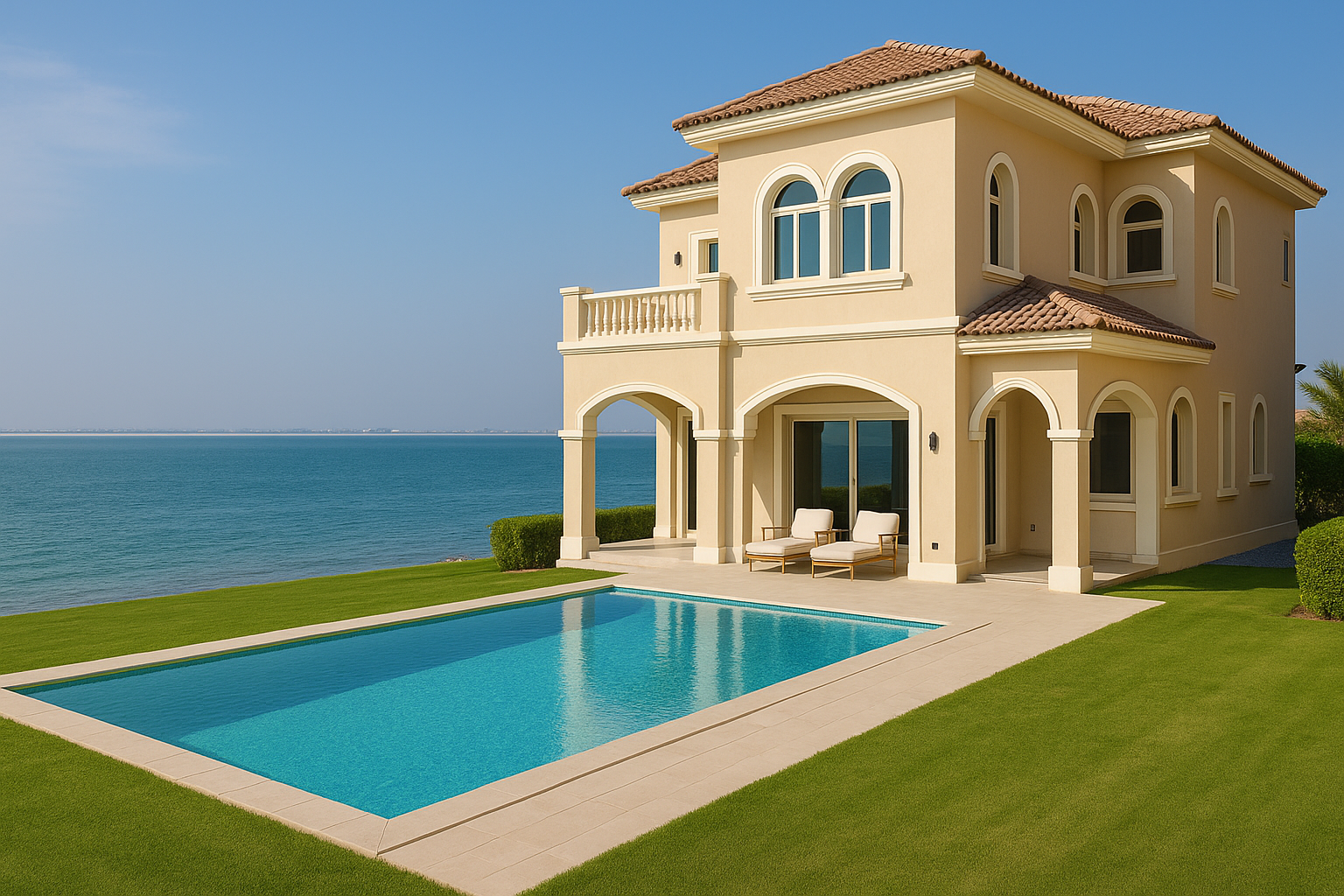
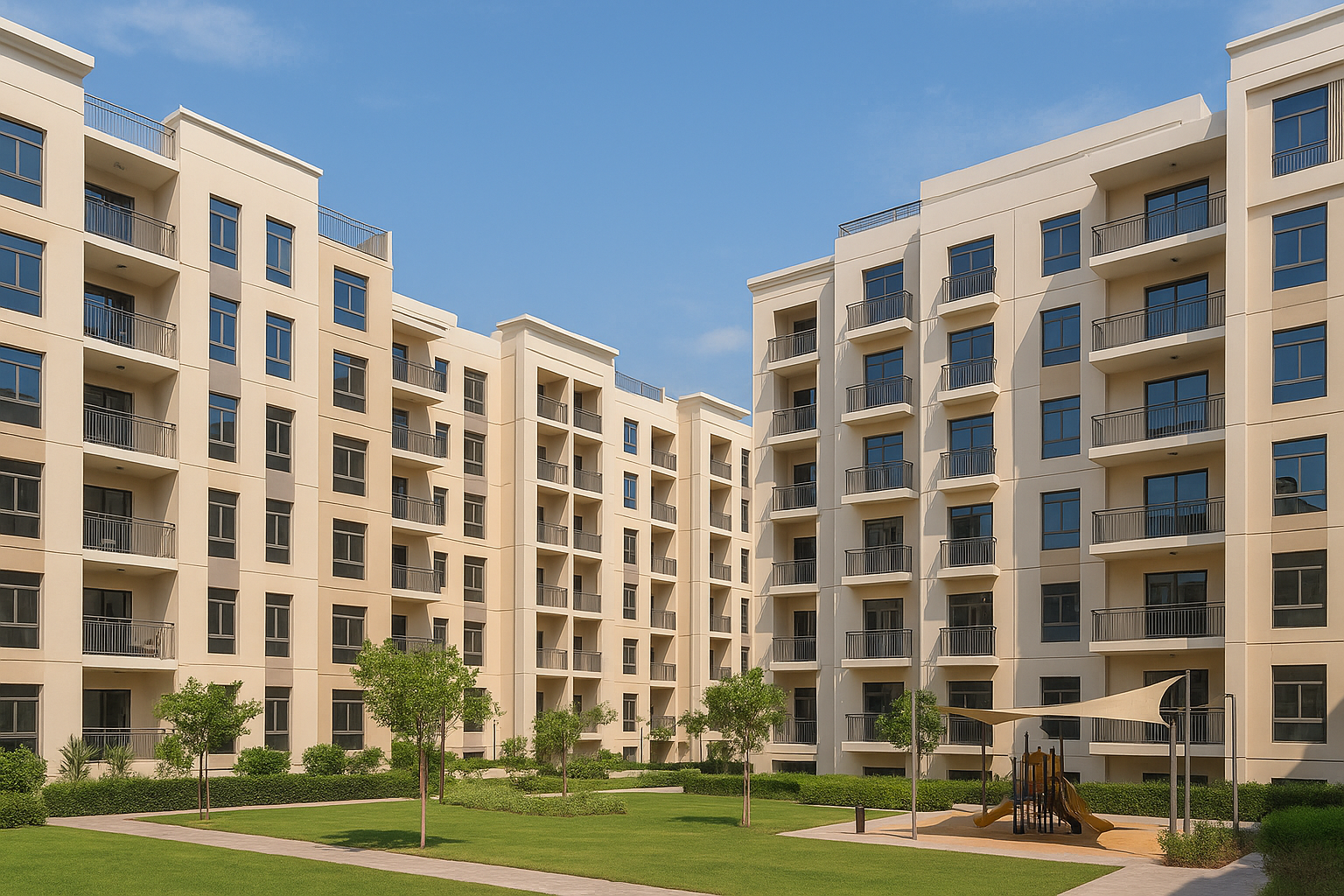
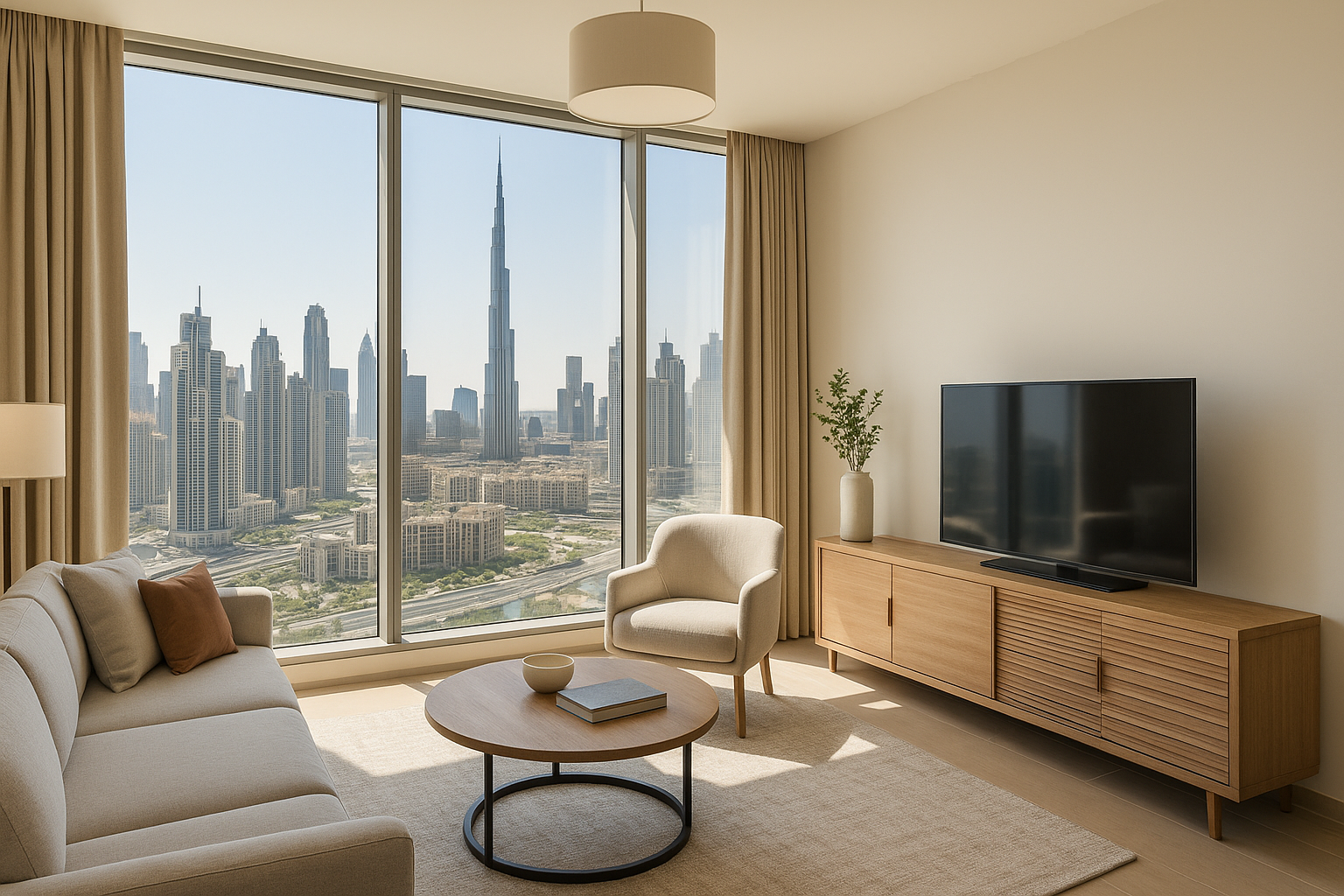
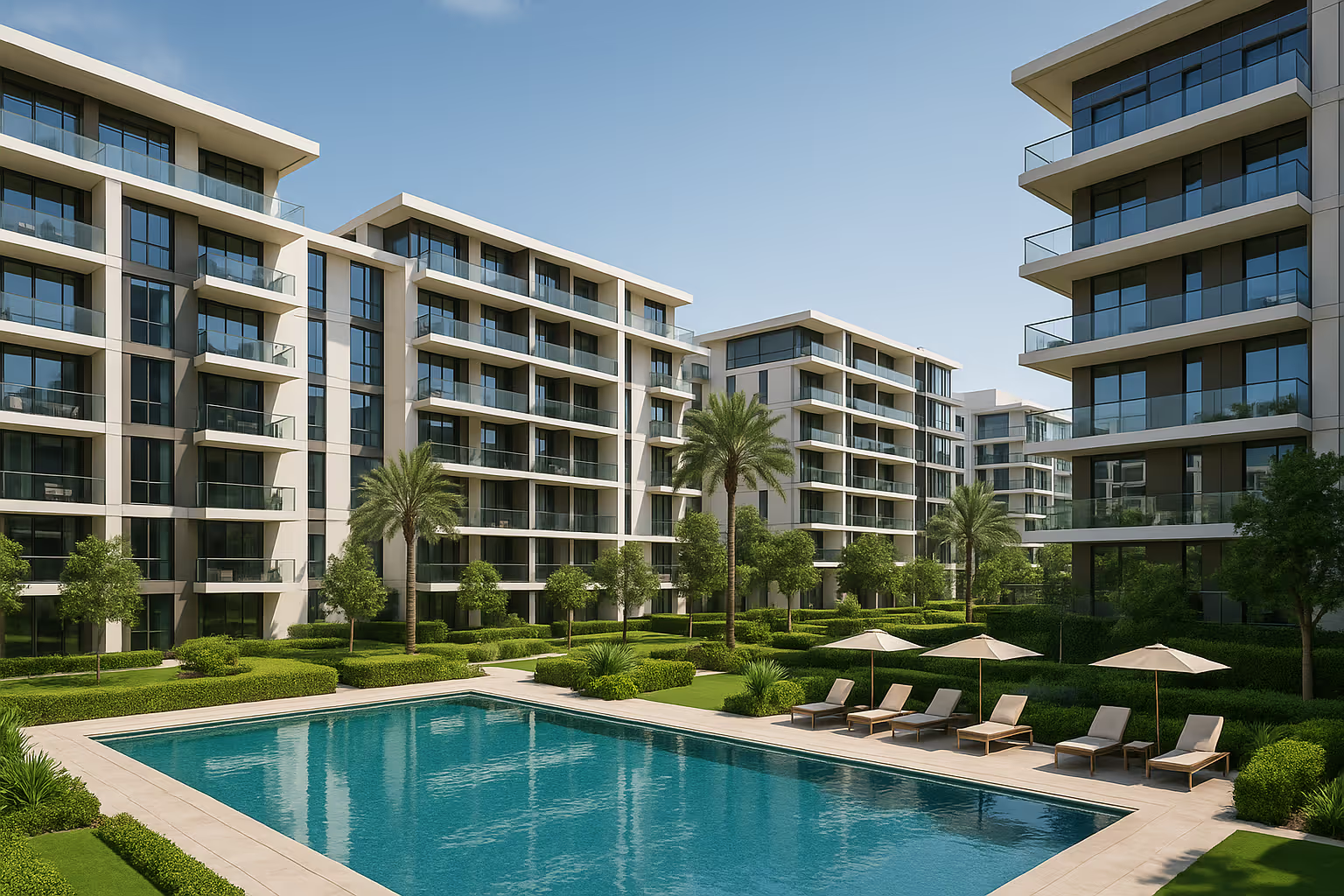
Diamondz biedt een scala aan residentiële opties om aan al je behoeften en wensen te voldoen. Het project omvat studio's en presidentiële studio's, appartementen met één slaapkamer en exclusieve appartementen met zes slaapkamers met privépool. Daarnaast zijn er suites beschikbaar met twee, drie, vier en zes slaapkamers, elk met uitzonderlijk uitzicht. Ondertussen blijft de economische groei robuust, met het gevoel in de niet-oliësector dat eerder dit jaar naar een vijfjaarsmaximum steeg, vergezeld van de hoogste werkgelegenheidsgroei in acht jaar in februari. Dit optimisme werkt door naar de vastgoedmarkt met verhoogde vraag in alle sectoren en een aanbod-vraagverschil dat prijsstijgingen en huurverhogingen stimuleert. Met name de luxe residentiële markt en de kantoormarkten in gradeA worden sterk beïnvloed.

VAE vastgoedmarkten: recordvraag en groei
De vastgoedmarkten in de VAE hebben in de afgelopen vier jaar recordvraag ervaren, met Dubai en meer recent Abu Dhabi die aanzienlijke stijgingen van kapitaalwaarde en huurverhogingen in praktisch alle vastgoedcategorieën hebben geregistreerd. Het langdurige beleid van de VAE om een investeringsvriendelijke hub in het Midden-Oosten te zijn, levert voortdurend vruchten op. Onlangs werd Dubai genoemd als de derde beste stad ter wereld om in te werken, na Londen en Amsterdam, terwijl Abu Dhabi de vijfde plaats behaalde (Boston Consulting Group).

Investeren in de VAE: een onweerstaanbare aantrekkingskracht
Bovendien is het land voor het derde jaar op rij aangewezen als het beste land ter wereld om een bedrijf op te starten, volgens het GEM 2023/2024 Global Report. De VAE stond wereldwijd op de eerste plaats in 12 van de 13 beoordeelde criteria, waaronder ondernemerserfinancing, toegankelijke financiële middelen, ondersteunend overheidsbeleid, belastingen en bureaucratie, overheidsprogramma's voor ondernemers, ondernemerijonderwijs op school en na afstuderen, kennisoverdracht en onderzoek, commerciële en professionele infrastructuur, marktdynamiek en maatschappelijke en culturele normen.

Groene investeringen en wereldwijd aantrekkingskracht
In 2023 werd de VAE ook aangewezen als de op twee na grootste ontvanger van buitenlandse directe investeringen (FDI) in greenfield-projecten wereldwijd volgens UNCTAD, met een recordbedrag van 22,7 miljard dollar, wat een stijging van 28% ten opzichte van 2022 vertegenwoordigt. Het pro-businessbeleid van het land draagt bij aan de aantrekkelijkheid als vastgoedinvesteringsbestemming, naast zachte factoren zoals klimaat, veiligheid en juridische zekerheid. Tijdens de pandemie werden deze aantrekkingsfactoren versterkt door de invoering van verschillende residentiële visumaopties, ontworpen om talent aan te trekken en vast te houden, zoals het Golden Visa dat een vernieuwbare 10-jarige verblijfsvergunning biedt voor vastgoedinvesteringen van minimaal AED 2 miljoen (US$ 545.000).


Een wereldwijd investeringsmagneet
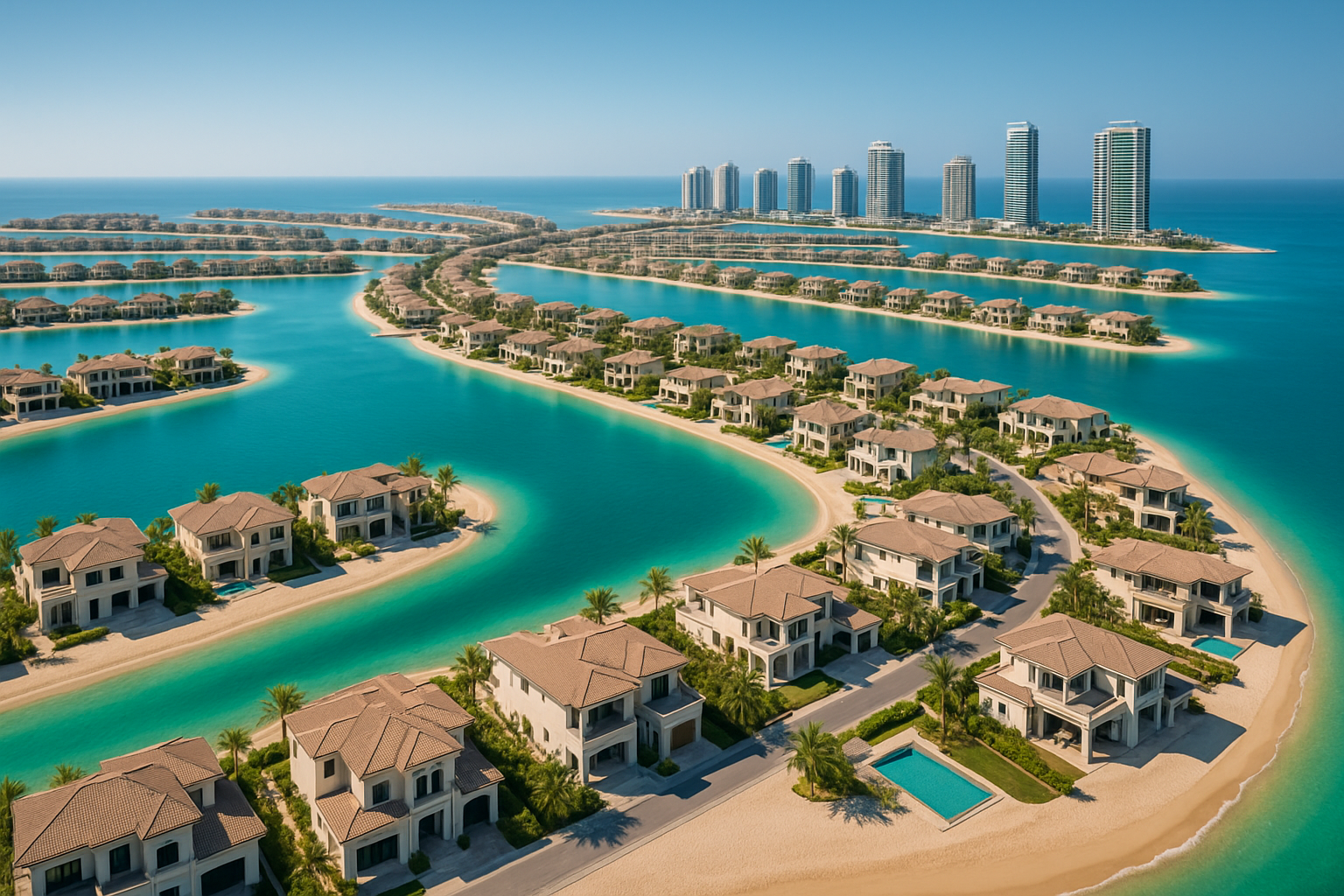
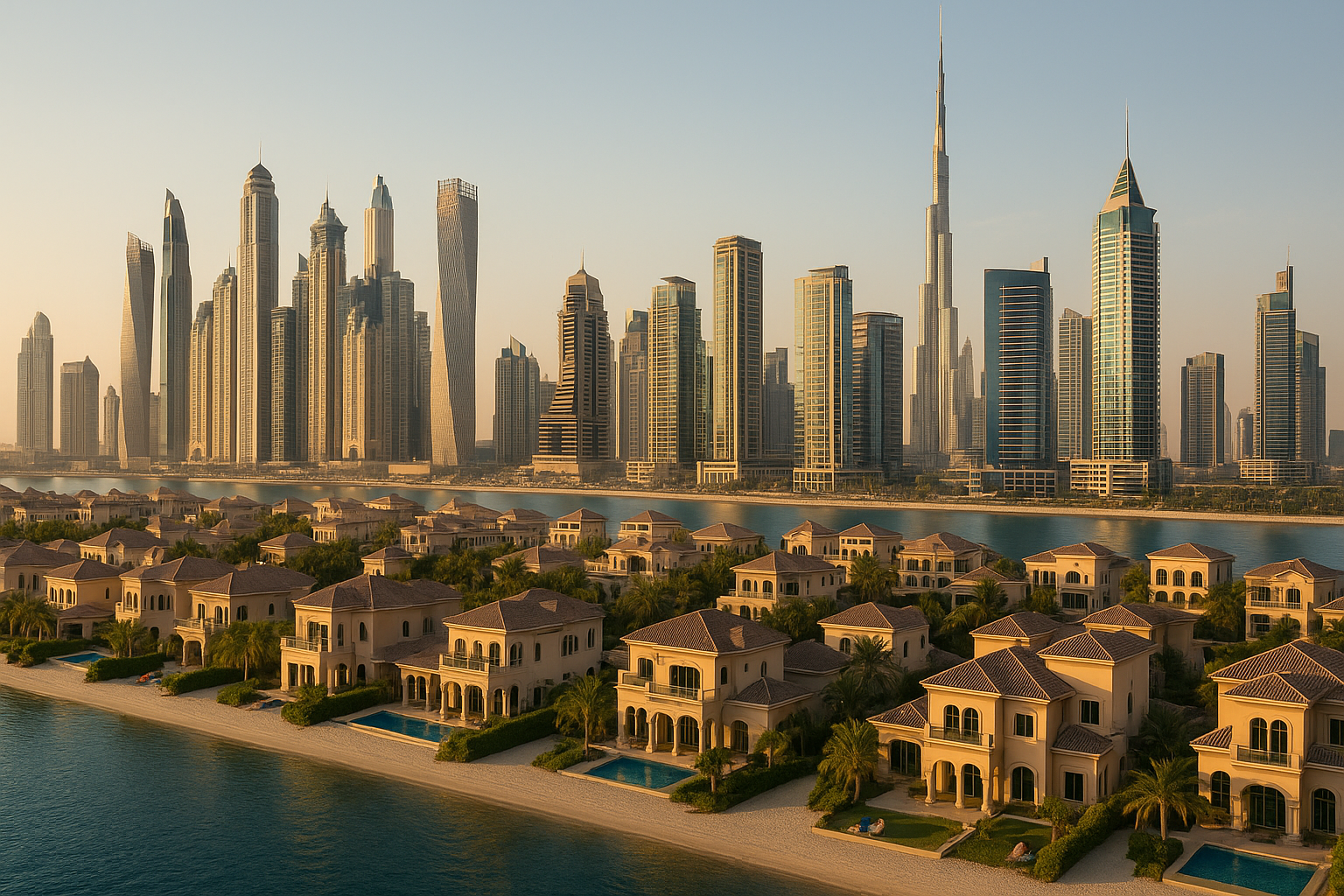
Deze factoren, gecombineerd met enkele van 's werelds meest luxe en betaalbare strand vast goed, versterken voortdurend de wereldwijde aantrekkingskracht van de VAE, vooral onder de wereldwijde elite die bijzonder actief zijn op de luxe residentiële markt van Dubai. Onderzoek toont aan dat 49% van wereldwijde HNWI's (High-Net-Worth Individuals) met persoonlijk vermogen van meer dan 20 miljoen dollar van plan zijn dit jaar in VAE-vastgoed te investeren, met nog eens 30% van plan om dit binnen de volgende 2-5 jaar te doen. Onder degenen met vermogen tussen 5-20 miljoen dollar, is 54% van plan dit jaar VAE-vastgoed aan te schaffen.

Groei en winstgevendheid van de vastgoedmarkt
De residentiële markten in de VAE hebben in de afgelopen vier jaar sterke groei ervaren. In Abu Dhabi zijn gemiddelde prijzen met 37% gestegen sinds Q1 2020, terwijl in Dubai residentiële waarden in de 12 maanden tot het einde van Q1 2024 met 9% zijn gestegen en met 39% sinds Q1 2020. Huizen in Dubai zijn gemiddeld 16% duurder dan tijdens het laatste marktpiek in 2014. In de hoofdstad Abu Dhabi liggen residentiële prijzen nu slechts 1,3% onder hun piek in 2014.
Conclusie: een ongekende markt vol kansen
Met huurprijzen die in beide steden bijna even snel stijgen, bedragen residentiële rendementen voor eenmalige verhuur gemiddeld 6,3% voor villa's en 5,7% voor appartementen in Dubai en Abu Dhabi. Op wereldniveau zijn de residentiële rendementen hoger dan in andere grote wereldsteden, wat bijdraagt aan de aantrekkelijkheid van steden in de VAE als investeringsbestemmingen. De perceptie dat Emiratisch onroerend goed een 'goede investeringsmogelijkheid' vertegenwoordigt, is de primaire motivatie voor 39% van mondiale HNWI's die overwegen eigendom in het land aan te schaffen.
Met sterke economische groei, een aantrekkelijk investeringsklimaat en een overvloed aan luxe vastgoed, blijft de VAE een wereldwijd investeringsmagneet die niet gemist mag worden door investeerders over de hele wereld.
(Bron: Knight Frank, REIDIN)
Meer weten over investeren in Dubai vastgoed?
Wil je dit onderwerp toepassen op jouw situatie? Download de gratis Dubai vastgoed gids, bekijk het actuele Dubai vastgoed aanbod of plan een gratis gesprek met Dubai-Property.nl.










.png)
.png)

.png)

.avif)
.avif)










.svg)
.svg)
.svg)