
.svg)


Q2 2025 Dubai Vastgoed Cijfers: Recordgroei, Hoogste ROI's & Waar Te Investeren
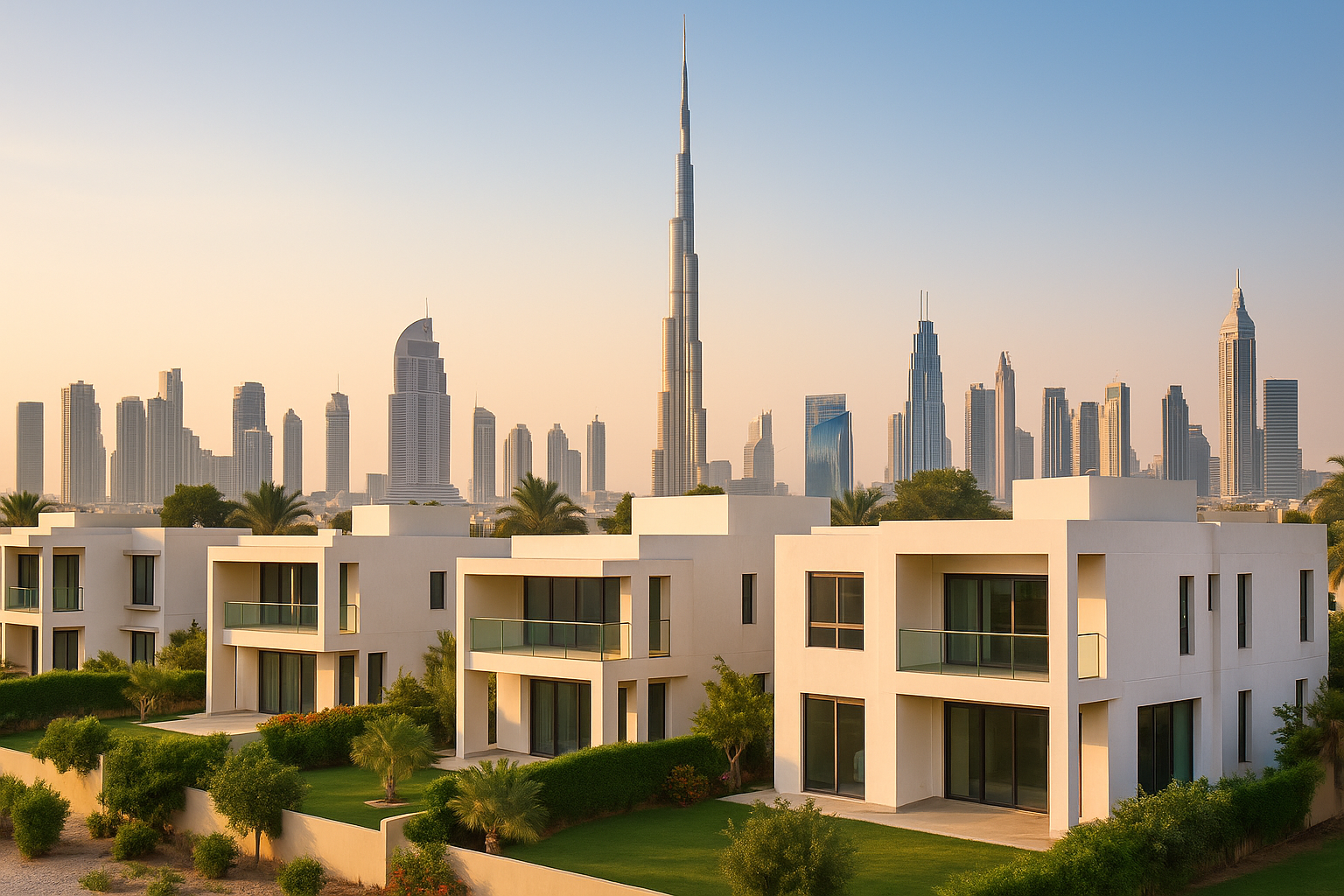
De vastgoedsektor van Dubai heeft in het tweede kwartaal van 2025 (Q2 2025) wederom alle verwachtingen overtroffen. Het was het sterkste kwartaal ooit geregistreerd, wat de positie van het emiraat als topbestemming voor internationale investeerders versterkt. Voor iedereen die van plan is in Dubai vastgoed te investeren, is het begrijpen van de drijvende krachten achter deze historische groei essentieel.
Recordbrekende Prestaties in Q2 2025
Q2 2025 was buitengewoon voor de vastgoedmarkt van Dubai. Totale verkooptransacties bereikten een ongekend AED 184,3 miljard (ongeveer 50,2 miljard dollar) verdeeld over 53.252 deals. Dit vertegenwoordigt:
- Een stijging van 49% jaar-op-jaar in waarde.
- Een stijging van 22% jaar-op-jaar in volume.
Deze historische prestatie bouwt voort op het sterke momentum van Q1 2025 en onderstreept de reputatie van Dubai als een veerkrachtige en aantrekkelijke vastgoedmarkt, zelfs temidden van onzekerheid in de wereldeconomie.
De groei werd vooral aangedreven door sterke vraag naar zowel bestaande als nieuwbouwwoningen, wat sterker vertrouwen onder investeerders en eindgebruikers weerspiegelt. De mediane vastgoedprijs steeg naar AED 1.607 per vierkante voet in Q2 2025, vergeleken met AED 1.514 in Q2 2024. Dit toont consistente waardestijging en versterkt het vertrouwen van investeerders.

Diepgaande Analyse: Prestaties per Vastgoedsegment
De vastgoedmarkt van Dubai in 2025 toonde uitzonderlijke sterkte in alle segmenten:
Secundaire Markt: Kopen in plaats van Huren
Dit segment leverde recordbrekende prestaties in Q2 2025:
- 22.975 transacties, een stijging van 33% vergeleken met Q2 2024.
- Totale waarde: AED 115,5 miljard, een stijging van 62% jaar-op-jaar.
Deze groei wordt grotendeels aangedreven door de verschuiving van huren naar kopen, aangezien stijgende huurprijzen bewoners ertoe aanzetten eigenwoningbezit na te streven.
Off-Plan Vastgoed Dubai: Toekomstgericht Investeren
Het off-plan vastgoedsegment van Dubai bereikt ook nieuwe hoogtepunten:
- 30.277 transacties, een stijging van 16% jaar-op-jaar in volume.
- Totale waarde: AED 68,8 miljard, een stijging van 31% jaar-op-jaar.
Off-plan verkopen vormden de meerderheid van alle Q2-transacties (57%), wat sterker langetermijnvertrouwen onder huizenkopers en investeerders weerspiegelt. Business Bay was een topgebied voor off-plan woningen, met meer dan AED 4,5 miljard aan transacties in Q2 2025.
Luxe- en Ultra-Luxesegment: Exclusieve Kansen
De luxemarkt ervoer ongekende groei in Q2 2025:
- Verkoop van vastgoed boven de 10 miljoen dollar bereikte een record van 2,6 miljard dollar.
- Dit vertegenwoordigt een stijging van 37% vergeleken met Q1 2025 en 63% vergeleken met Q2 2024.
- Een totaal van 143 dergelijke deals werd geregistreerd, inclusief 22 transacties boven de 25 miljoen dollar.
- Opmerkelijk is dat appartementen (80 verkopen) villa's (63 verkopen) voor het eerst sinds Q2 2023 overtroffen, wat wijst op groeiende vraag naar luxe-appartementen.
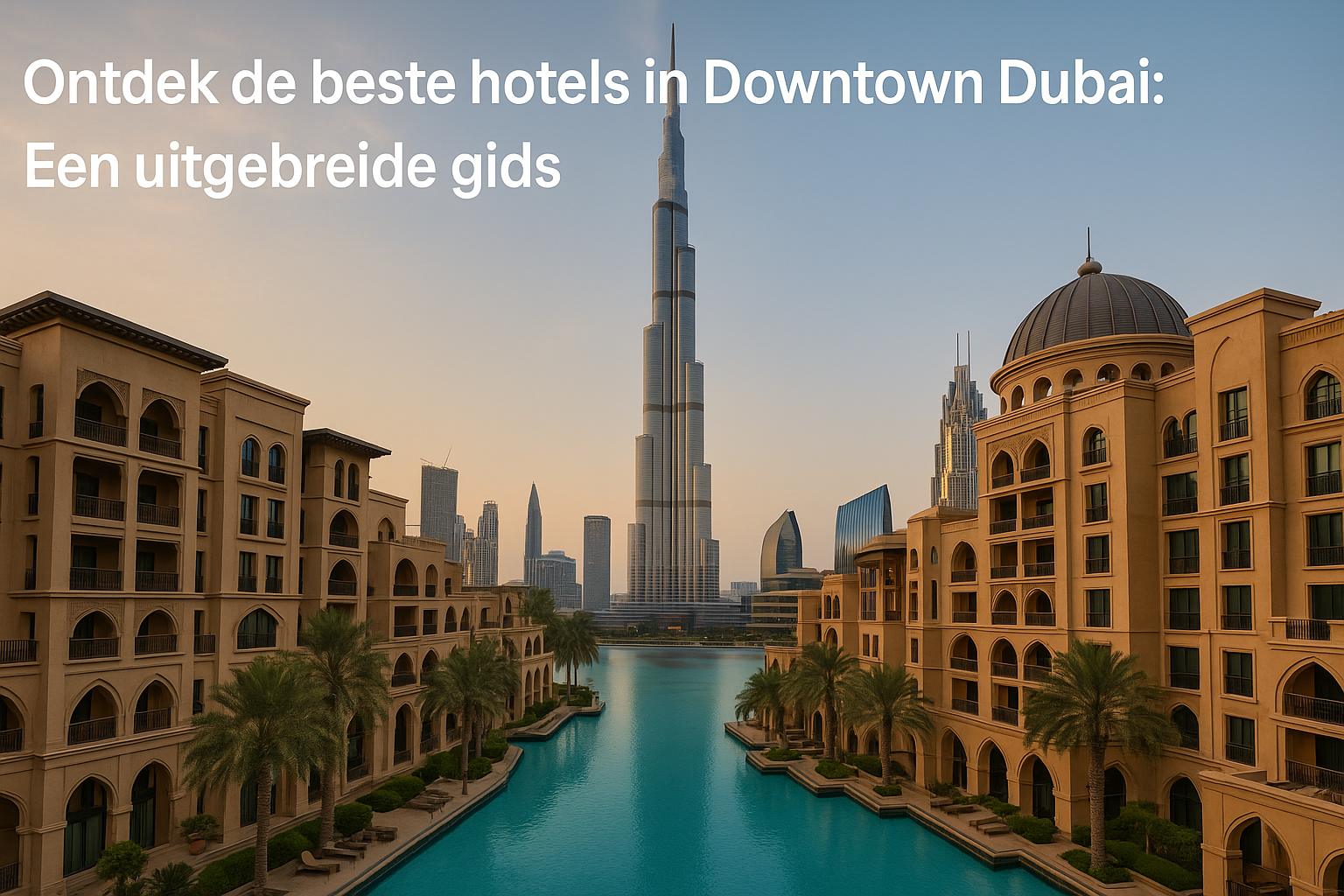
- Palm Jumeirah, La Mer en Downtown Dubai bleven de toonaangevende locaties.
Vastgoed Miljonairs in Dubai
Dubai telt 110.000 residentiële eenheden ter waarde van meer dan 1 miljoen dollar. Ongeveer 37.000 daarvan zijn eigendom van onbewuste miljonairs - kopers wiens vastgoed aanzienlijk in waarde is gestegen. Dit fenomeen onderstreept robuuste waardestijging en voortdurend vertrouwen in de residentiële markt van Dubai onder welgestelden.
Huurmarktdynamica: Aantrekkelijke Rendementen
De huurmarkt van Dubai blijft robuust, wat het een aantrekkelijke propositie maakt voor investeerders die terugkerende inkomsten zoeken.
- Het gemiddelde bruto huurrendement in de VAE bedroeg 4,87% in Q2 2025.
- Het gemiddelde huurrendement in Dubai was 6,31% in 2025.
Dit is aanzienlijk hoger dan veel ontwikkelde markten wereldwijd, zoals Londen (3,4%), New York (3,7%) en Singapore (3,5%).
Studioappartementen leveren over het algemeen de hoogste huurrendementen op. Gebieden zoals Al Furjan en Arjan registreerden rendementen van respectievelijk 8,75% en 8,20% voor studios. Jumeirah Village Circle (JVC) onderscheidt zich door uitstekende huurrendementen voor alle vastgoedtypes, waarbij de meeste eenheden rendementen boven 7% genereren.
De aanhoudende stijging van huurprijzen, met name voor villa's en townhouses (stijging van 22,6% jaar-op-jaar in maart 2025), stimuleert bewoners om de overgang van huren naar kopen te maken.
Aanbod, Vraag en de Ontwikkelingspijplijn
De wisselwerking tussen aanbod en vraag blijft cruciaal. De markt van Dubai staat momenteel voor een aanzienlijk woningtekort, met name in het villasegment.
- Projecties: Slechts 19.700 nieuwe villa's worden verwacht tegen einde 2025, met nog eens 19.700 gepland voor het volgende jaar. Dit blijft aanzienlijk achter bij de groeiende vraag naar grotere gezinswoningen.
- Schaarste: Dit heeft villa-prijzen al met 26% in 2024 doen stijgen, met verdere stijgingen verwacht in 2025.
Ontwikkelaars reageren echter actief op de vraag. Tegen einde 2029 zouden meer dan 350.000 residentiële eenheden opgeleverd worden. Opvallende aankomende projecten zijn Mr C Residences Downtown Dubai (Q1 2027) en Jumeirah Residences Emirates Towers (Q3 2030). Deze robuuste pijplijn weerspiegelt het responsieve karakter van ontwikkelaars en het langetermijngroeipotentieel van de markt.
Verken beschikbare investeringsmogelijkheden in Dubai
Belangrijkste Marktdrijvende Factoren en Beleidsinvloed
De sterkte van Dubai vastgoed 2025 wordt aanzienlijk ondersteund door strategische overheidsmaatregelen en bredere economische trends:
- Proactief Bestuur: Flexibel beleidsvormen, bijgewerkte licentieprotocollen en strengere regulering van vastgoedagenten hebben geleid tot meer transparantie en versterkt vertrouwen van investeerders.
- Mondiale Vermogensmigratif: De robuuste marktprestaties weerspiegelen toenemende mondiale kapitaalstromen. Meer dan 10,3 miljard dollar aan particulier kapitaal uit regio's als India, Saudi-Arabië, het VK en Oost-Azië is specifiek bestemd voor de residentiële markt van Dubai. Dubai verwelkomde in 2024 6.700 nieuwe miljonairs, meer dan enig ander wereldwijd, wat zijn status als veilige haven voor vermogensbehoud en -groei versterkt.
- Economische Groei en Strategische Initiatieven: De VAE-economie zal naar verwachting in 2025 met gemiddeld 4,5% tot 5% per jaar groeien, waarbij vastgoed een belangrijke bijdrage levert. Overheidsbeleid zoals het Gouden Visum-programma, dat langetermijnverblijf verleent aan vastgoedinvesteerders, heeft meer dan 100.000 personen aangetrokken. Daarnaast is het First-Time Homebuyer Programme (FTHB) gericht op het verbeteren van toegang tot eigenwoningbezit.
Geografische Hotspots en Investeringsmogelijkheden
De markt van Dubai biedt diverse kansen voor diegenen die in Dubai vastgoed willen investeren:
- Totale Verkopen (Q2 2025):
- Jumeirah Village Circle (JVC): 4.930 transacties, AED 6,47 miljard.
- Business Bay: 3.143 transacties, AED 10,05 miljard.
- Me'Aisem Second: Bestperformerende gebied naar totale waarde, met AED 14,94 miljard.
- Luxe Verkopen (boven 10 miljoen dollar):
- Palm Jumeirah: Leidde met 28 verkochte eigendommen.
- La Mer: 23 verkopen.
- Downtown Dubai: 16 transacties.
- Huurrendementen (gemiddelde 2025):
- Al Furjan: Gemiddeld 7,54%.
- Arjan: 7,41%.
- JVC: 7,30%.
- Opkomende gebieden met significant groeipotentieel zijn Palm Jebel Ali en Meydan Avenue, die beide een waardetoename van meer dan 200% in de afgelopen vijf jaar hebben gezien. Dubai South, vanwege de nabijheid van de Expo-locatie, biedt een groeipotentieel van 12-15%.
Plan een consultatie in met onze specialisten vastgoed Dubai
Outlook en mogelijke risico's
De outlook voor de Dubai vastgoedmarkt 2025 blijft overwegend positief voor de rest van 2025 en daarna. Savills voorspelt dat kapitaalwaarden van premium residentieel vastgoed in Dubai met 8% tot 9,9% zullen stijgen in 2025, hetgeen het hoogste is onder de 30 wereldwijd gevolgde steden. De stad zal naar verwachting ook de sterkste huurgroei ervaren, met een verwachte stijging van meer dan 10%.
Ondanks de sterke fundamentals omvatten mogelijke tegenwinten:
- Een scherpe mondiale economische neergang.
- Een significante daling van olieprijzen.
- Het risico dat aanbod vraag overtreft in bepaalde segmenten, wat mogelijk leidt tot "vroege prijsvermoeibaarheid".
- Beleidswijzigingen, zoals verschuivingen in visumregelingen of de invoering van nieuwe belastingen.
- Stijgende bouwkosten en renteschommelingen.
Conclusie: waarom nu in Dubai vastgoed investeren?
De Dubai vastgoedmarkt toonde opmerkelijke weerbaarheid en groei in Q2 2025. Dit is voortgestuwd door een krachtige combinatie van sterke vraag, strategisch overheidsbeleid en een continue toestroom van wereldwijd kapitaal. Voor investeerders resulteert dit in ruime mogelijkheden - van rendabele huurbeleggingen (zoals die op de Dubai hurenmarkt) tot luxeontwikkelingen en veelbelovend Dubai vastgoed in aanbouw met aanzienlijke waardetoename.
Hoewel wereldwijde economische factoren monitoring rechtvaardigen, biedt Dubais proactieve governance en robuuste economische fundamentals een solide basis voor aanhoudende groei. Dit maakt het emiraat een uitzonderlijk aantrekkelijke bestemming voor langetermijnvastgoedbeleggingen.
Meer weten over investeren in Dubai vastgoed?
Wil je dit onderwerp toepassen op jouw situatie? Download de gratis Dubai vastgoed gids, bekijk het actuele Dubai vastgoed aanbod of plan een gratis gesprek met Dubai-Property.nl.











.png)
.png)

.png)

.avif)
.avif)










.svg)
.svg)
.svg)