
.svg)


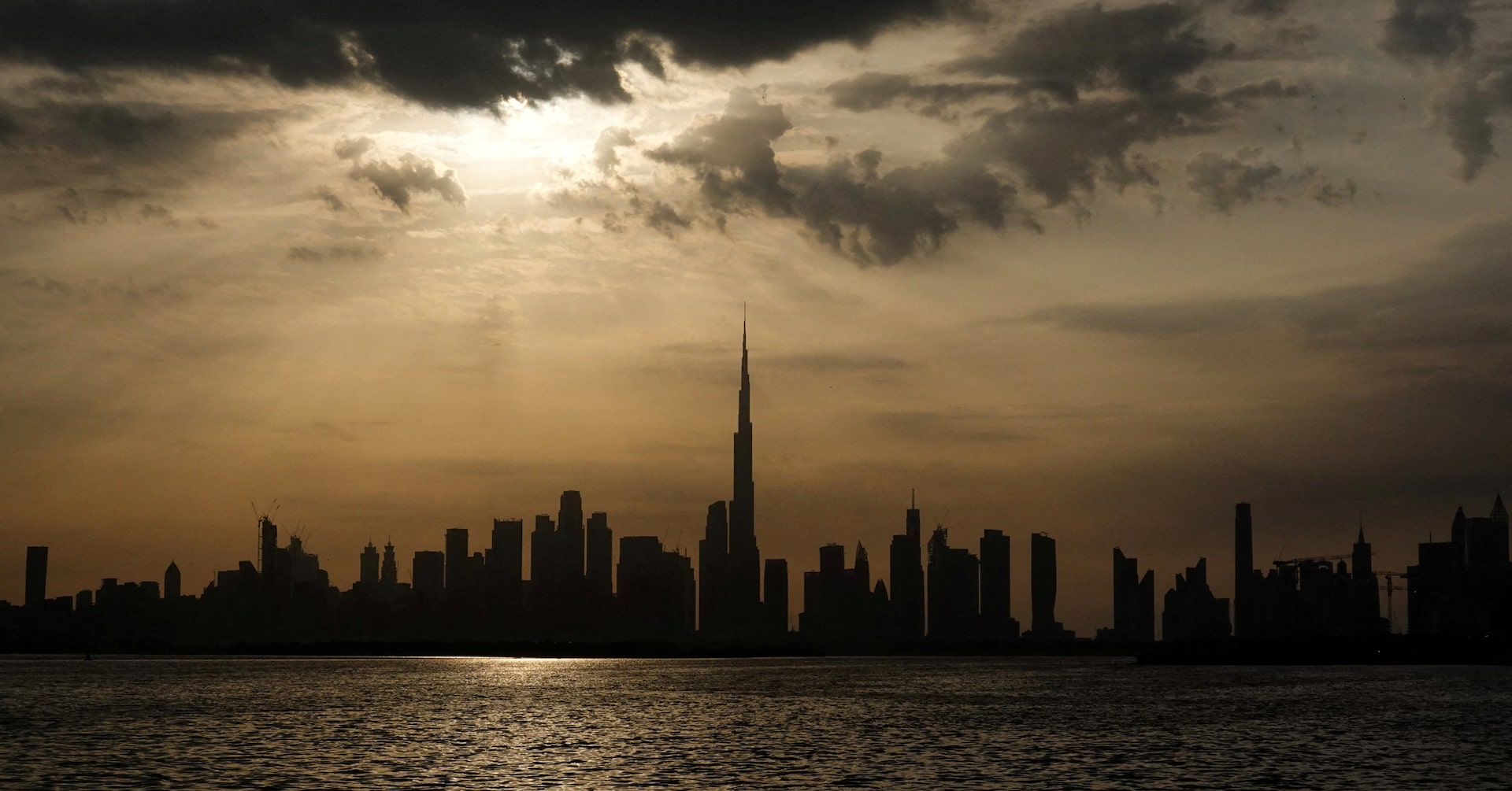
Geopolitieke spanningen en de vastgoedmarkt in Dubai: waarom slimme investeerders juist nu kansen benutten
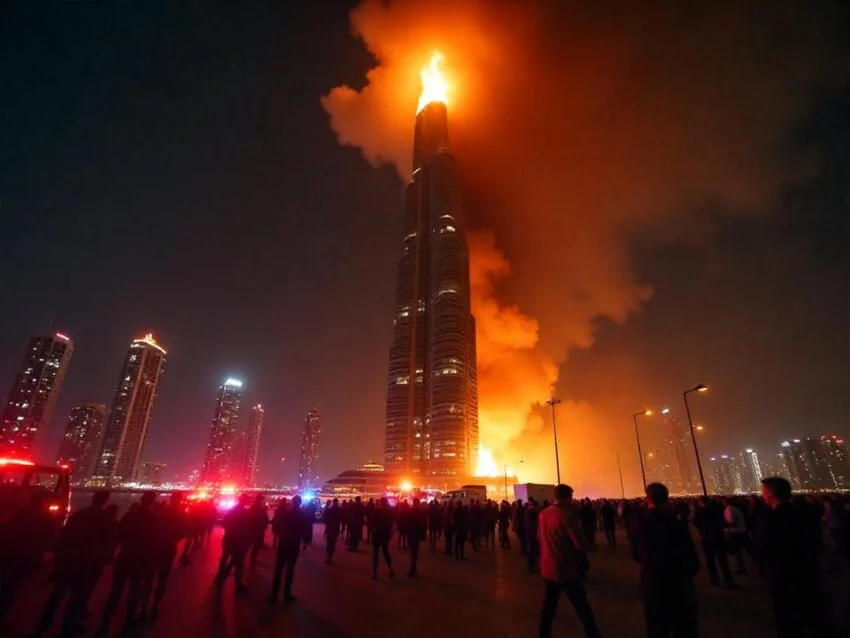
Wij begrijpen dat recente nieuwsberichten over de militaire spanningen tussen Iran, de VS en Israël in de regio (sinds eind februari 2026) vragen oproepen. Als investeerder zoek je zekerheid, en geopolitieke onrust zorgt logischerwijs voor een voorzichtige eerste reactie.
Juist in tijden als deze is het echter essentieel om emotie van feiten te scheiden. Waar het grote publiek aarzelt, zien ervaren investeerders een markt die fundamenteel zeer sterk is, maar tijdelijk betere instapvoorwaarden biedt.
In deze blog leggen wij uit wat de werkelijke positie van Dubai is binnen dit conflict en waarom dit een uniek momentum kan creëren voor investeerders.
Wil je direct dieper in de materie duiken? Download hier onze volledige en uitgebreide presentatie: Dubai Real Estate Market & Geopolitical Developments (PDF).
De realiteit: de VAE staan buiten dit conflict
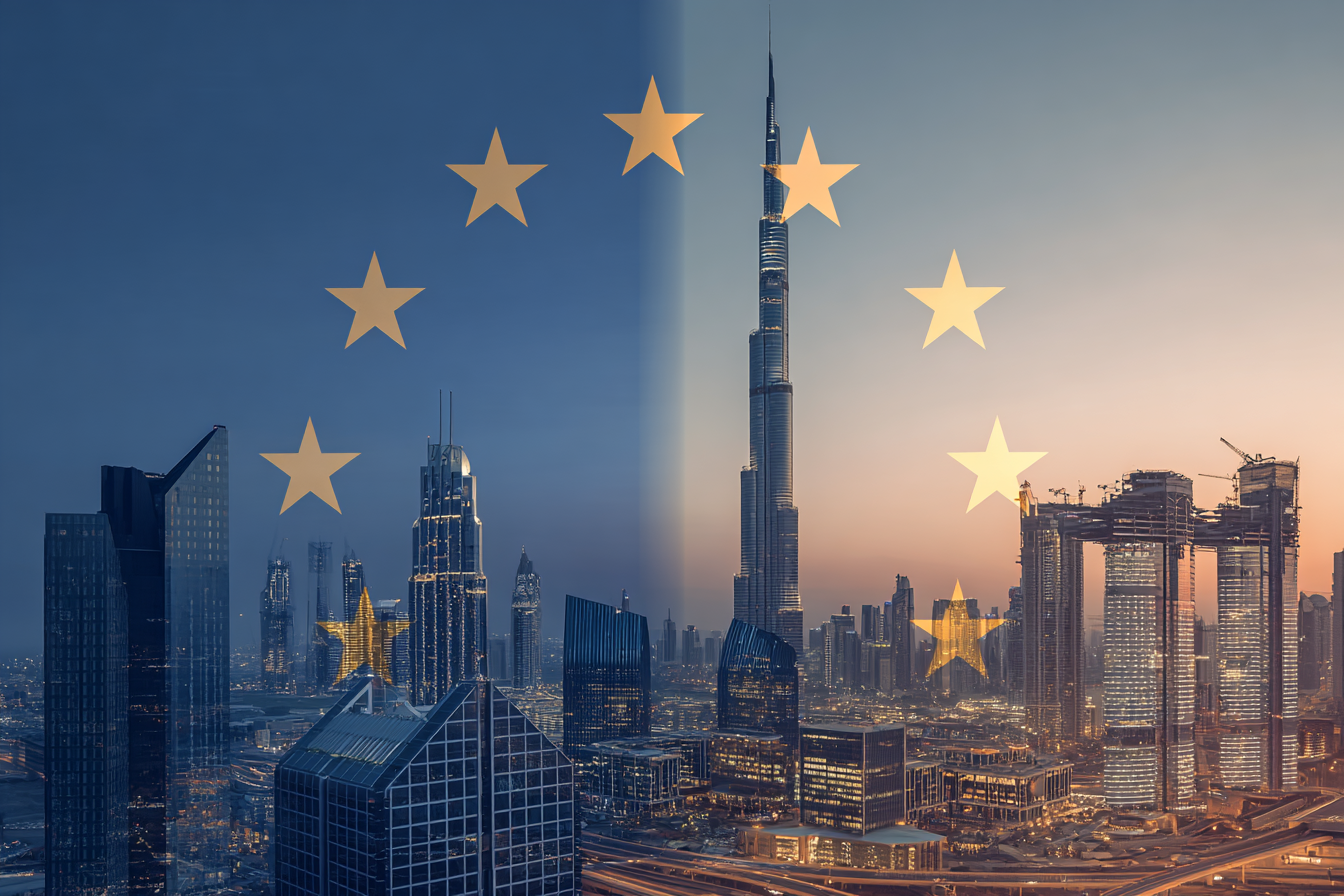
Het belangrijkste feit dat in westerse media vaak onderbelicht blijft: de Verenigde Arabische Emiraten (VAE) zijn geen partij in dit conflict. Het land voert actief een beleid van de-escalatie en behoudt een neutrale, diplomatieke positie.
Daarnaast zijn de VAE en Iran belangrijke handelspartners. Iran heeft een aanzienlijk economisch belang bij een stabiel en goed functionerend Dubai. Dit maakt de huidige situatie fundamenteel anders dan bij veel andere geopolitieke conflicten.
Ook de defensiesystemen van de VAE hebben bewezen van wereldklasse te zijn: in de eerste weken van maart werd 93% van de ballistische raketten, 94% van de drones en 100% van de kruisraketten succesvol onderschept. Het dagelijks leven, de handel en de vastgoedmarkt in Dubai functioneren normaal.
Aandelenmarkt versus vastgoed: het cruciale verschil
Wanneer onrust ontstaat, reageren aandelenmarkten direct op sentiment. Zo daalde de DFM Real Estate Index met 20% tot 30%. Veel mensen trekken hieruit ten onrechte de conclusie dat fysieke vastgoedprijzen hetzelfde doen.
Fysiek vastgoed wordt echter bepaald door vraag en aanbod, niet door korte termijn sentiment. De fundamenten van de vastgoedmarkt in Dubai zijn momenteel sterker dan ooit:
Enorme liquiditeit: 60% tot 69% van alle transacties wordt volledig in contanten betaald. Hierdoor ontstaat geen scenario zoals in 2008, waarin gedwongen verkopen van hypotheken de markt onder druk zetten.
Transacties gaan door: alleen al in de eerste week van maart 2026 registreerde het Dubai Land Department 2.402 verkooptransacties met een totale waarde van AED 8,29 miljard. Kopers blijven actief.
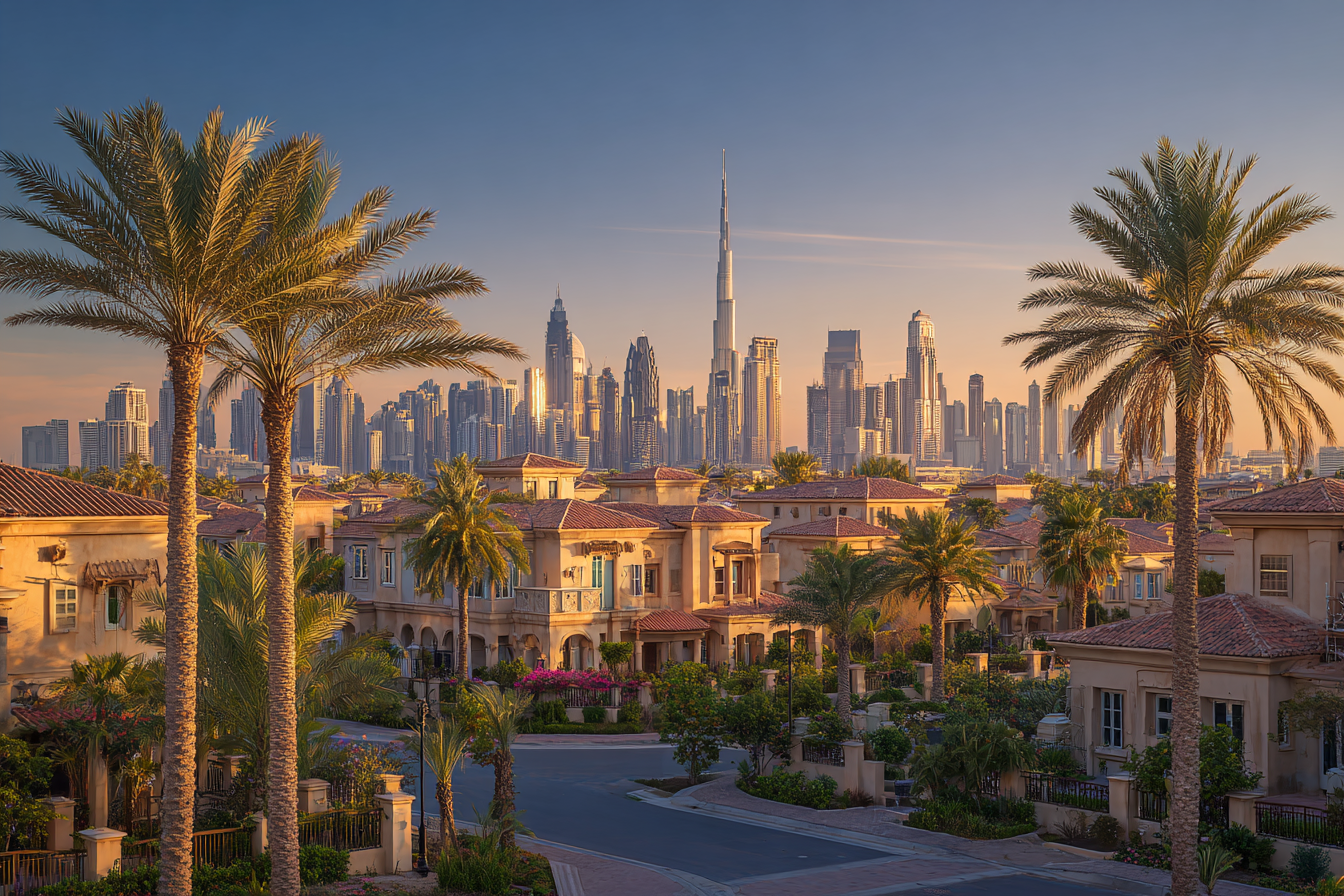
Prijzen blijven stabiel: het premiumsegment, zoals luxe villa’s, blijft grotendeels onaangetast omdat cashkopers hun bezit behouden.
Waarom dit juist nu kansen biedt: de 3 belangrijkste voordelen
Voor investeerders die verder kijken dan de krantenkoppen biedt deze tijdelijke afkoeling van de markt kansen die we sinds 2023 nauwelijks meer hebben gezien.
Meer onderhandelingsruimte: waar in de afgelopen jaren vaak de vraagprijs direct geaccepteerd moest worden om kans te maken op een object, is de markt nu realistischer geworden. Vooral in het middensegment is een korting van 2% tot 7% momenteel haalbaar.
De beste voorwaarden in 3 jaar: ontwikkelaars zijn flexibeler geworden om verkoopmomentum te behouden. Dit resulteert in aantrekkelijke betalingsplannen, langere post-handover termijnen en kortingen op DLD-registratiekosten.
Toegang tot hoogwaardige projecten: lanceringen van grote ontwikkelaars zoals Emaar en Nakheel waren de afgelopen jaren vaak volledig overtekend. Nu is er daadwerkelijk tijd om zorgvuldig onderzoek te doen en posities veilig te stellen in projecten die eerder nauwelijks toegankelijk waren.
Historisch bewezen veerkracht
Dit is geen theorie, maar een herhaald patroon. Dubai heeft meerdere keren laten zien externe schokken te kunnen absorberen en daarna sterker terug te komen.
Na de oliecorrectie (2014–2019) volgde de sterkste groei ooit.
Na de onzekerheid tijdens de COVID-19 pandemie (2020) steeg de markt sterk in 2021.
Investeerders die juist tijdens momenten van onzekerheid instapten, realiseerden uiteindelijk de hoogste rendementen van het afgelopen decennium. De huidige geopolitieke spanningen vormen mogelijk het volgende hoofdstuk in dit patroon.
Bij Dubai-Property.nl baseren wij ons advies op data en lokale marktrealiteit, niet op speculatie. De vraag naar huurwoningen blijft sterk, met rendementen van circa 6% tot 8%, en de bevolking van Dubai blijft groeien.
Wil je bespreken hoe je kunt profiteren van de huidige onderhandelingsruimte en verbeterde voorwaarden? Klik op deze link, dan plannen wij graag een vrijblijvend adviesgesprek met je in.











.png)
.png)

.png)



.avif)
.avif)









.svg)
.svg)
.svg)