
.svg)



Dubai als investeringsmarkt: van hype naar realiteit
Dubai is de afgelopen jaren uitgegroeid tot een van de meest besproken vastgoedmarkten ter wereld. Internationale kopers, belastingvoordelen, luxe levensstijl en indrukwekkende rendementen domineren dagelijks social media en beleggersfora. Maar wat is werkelijk realistisch? En hoe onderscheid je een solide investering van een te-mooi-om-waar-te-zijn verhaal?
In dit artikel kijken we onbevooroordeeld naar de cijfers: bruto versus netto rendement, gebiedsanalyse, waarschuwingssignalen en wat je realistisch kunt verwachten van Dubai-vastgoed als langetermijnbelegging.
Wil je weten wat een specifiek project oplevert? Controleer de rendementen van 155+ projecten in onze ROI Calculator.
Bruto versus netto rendement: het cruciale onderscheid
De eerste en belangrijkste les: kijk nooit alleen naar bruto rendement. Makelaars en ontwikkelaars adverteren altijd met bruto rendementen - huurinkomsten gedeeld door de aankoopprijs, zonder aftrek van kosten.
Bruto rendement
Het berekenen van bruto rendement is eenvoudig:
Bruto rendement = Jaarlijkse huur / Aankoopprijs × 100%
In Dubai liggen bruto rendementen doorgaans tussen 6% en 10%, afhankelijk van de wijk, het type eigendom en de verhuurstrategie (LTR versus STR). Dit zijn de cijfers die je in brochures en op websites ziet.
Netto rendement
Netto rendement houdt rekening met alle kosten:
Netto rendement = (Jaarlijkse huur - Alle kosten) / Aankoopprijs × 100%
Typische kostenposten:
- Servicekosten: AED 12-25/m²/jaar
- Vastgoedmanagement: 5-7% (LTR) of 15-20% (STR)
- Leegstand: 5-10% (LTR) of 20-30% (STR)
- Onderhoud en reparaties: 1-2% van de aankoopprijs
- Verzekering: AED 1.000-3.000/jaar
Na al deze kosten resulteert een bruto rendement van 8% doorgaans in een netto rendement van 5-6%. Dat is nog steeds uitstekend voor vastgoed, maar het is de realiteit waar je voor moet plannen.
Realistische rendementen per wijk in Dubai
Dubai is geen homogene markt. De rendementen variëren aanzienlijk per wijk en type eigendom. Hier is een realistisch overzicht op basis van huidige marktgegevens:
Hoogste rendementen (bruto 7-10%)
- Jumeirah Village Circle (JVC): Populair bij expats, betaalbare aankoopprijs, sterke hurenmarkt. Bruto 7-9%, netto 5-7%.
- International City: Laagste aankoopprijzen in Dubai, hoge huurvraag. Bruto 8-10%, maar hogere managementintensiteit.
- Dubai Silicon Oasis / Sports City: Middenklasse projecten met stabiele LTR-vraag. Bruto 7-8%, netto 5-6%.
Middenklasse rendementen (bruto 5-8%)
- Business Bay: Centrale ligging, gemengd residentieel-commercieel, goed LTR- en STR-aanbod. Bruto 6-8%.
- Al Furjan / Damac Hills: Gezinsgemeenschappen met stabiele LTR-vraag. Bruto 5-7%.
- Dubai Hills Estate: Premium locatie, lagere rendementen maar sterke waardegroei. Bruto 5-6%.
Lagere rendementen maar hogere waardegroei (bruto 4-6%)
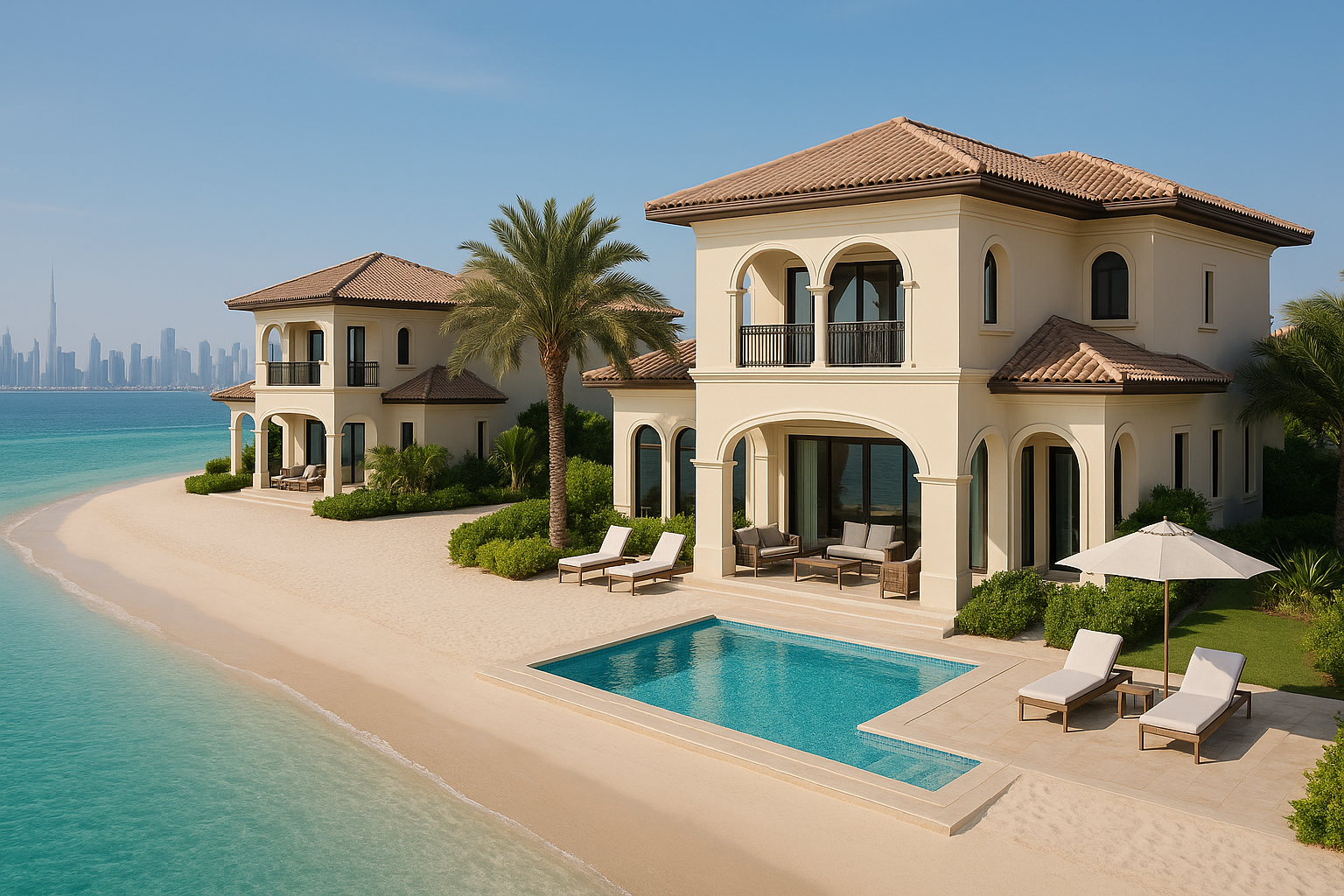
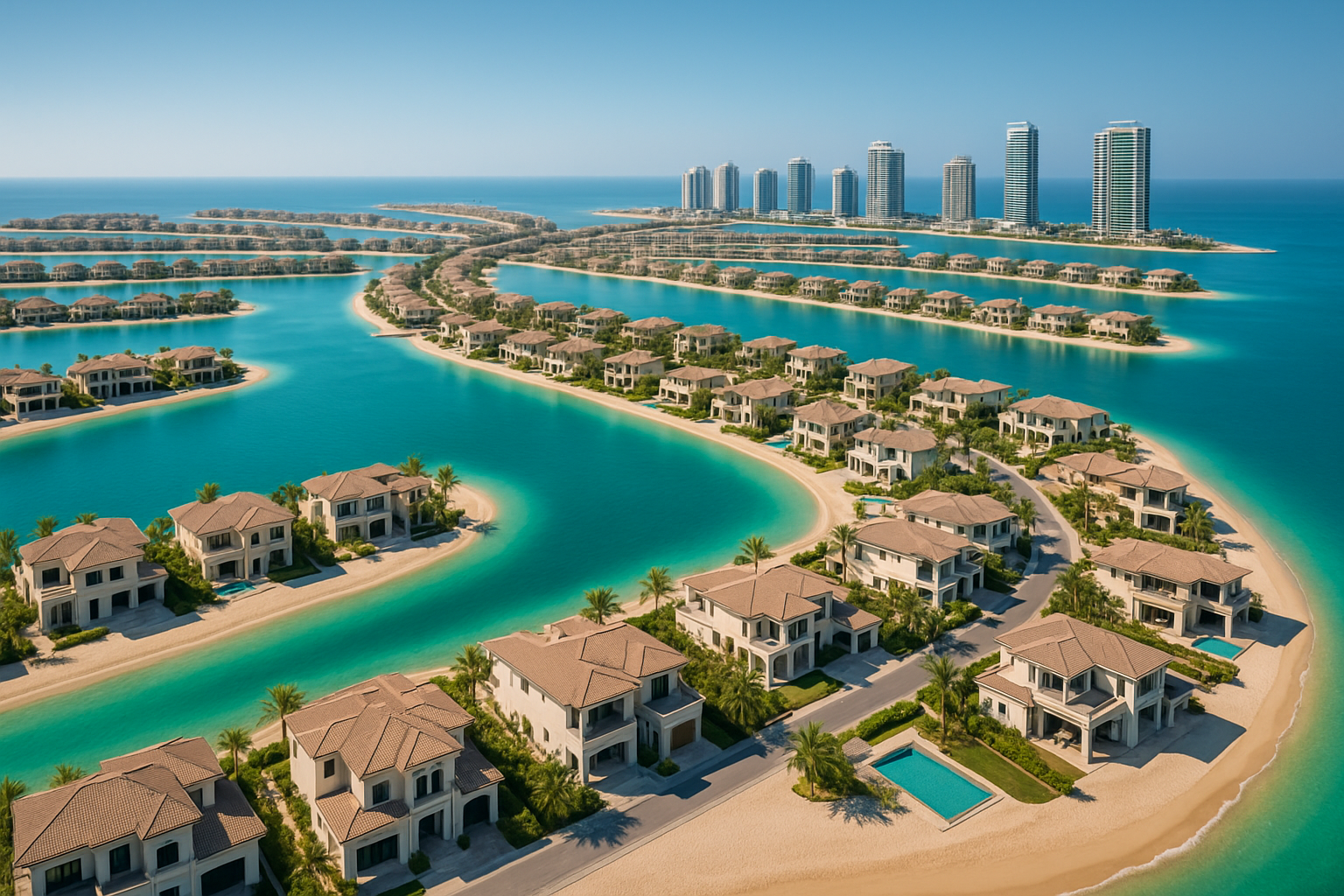
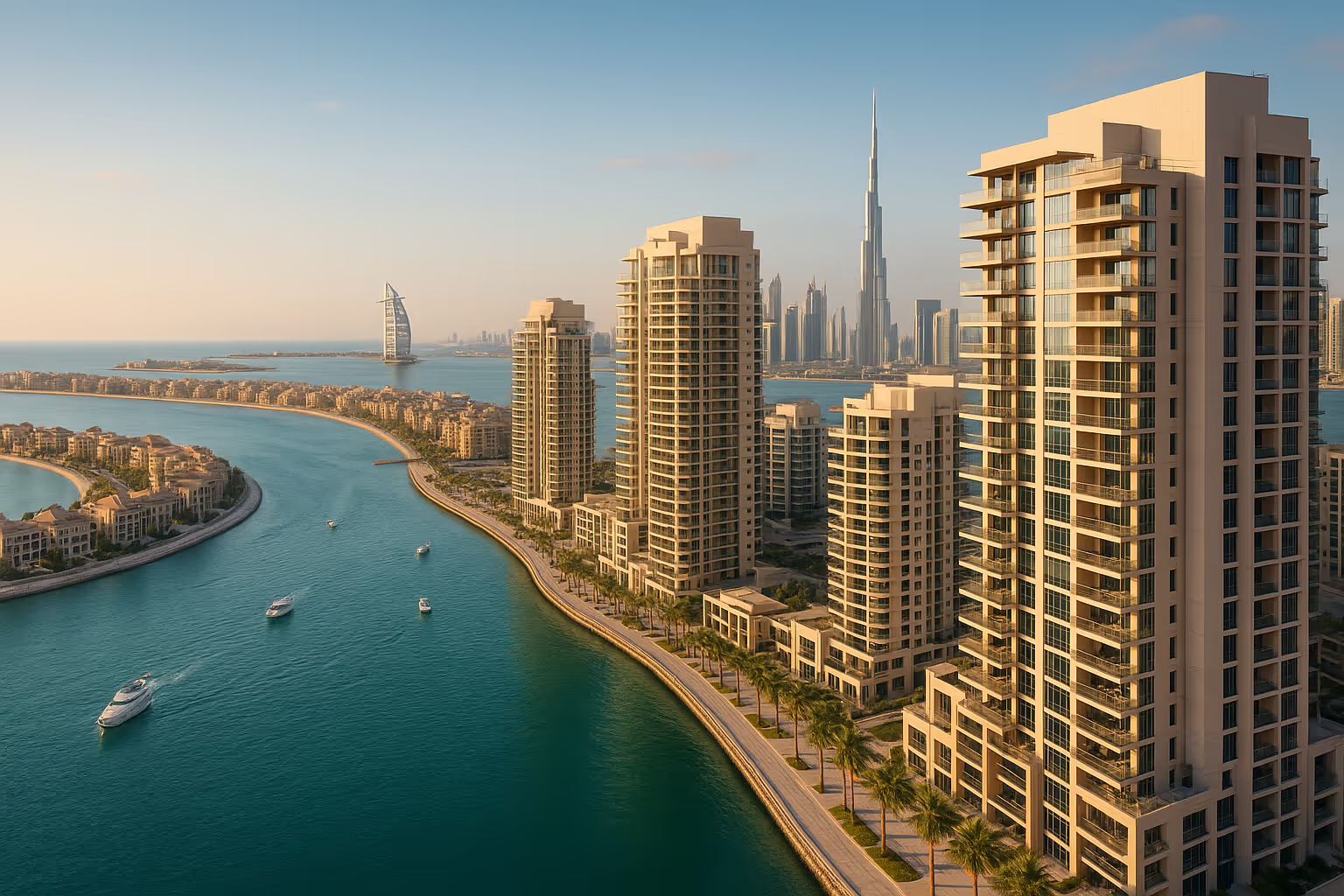
- Palm Jumeirah: Iconisch adres, premiumpr ijzen drukken rendementen. Bruto 4-5%, maar significante waardegroei. Ideaal voor STR.
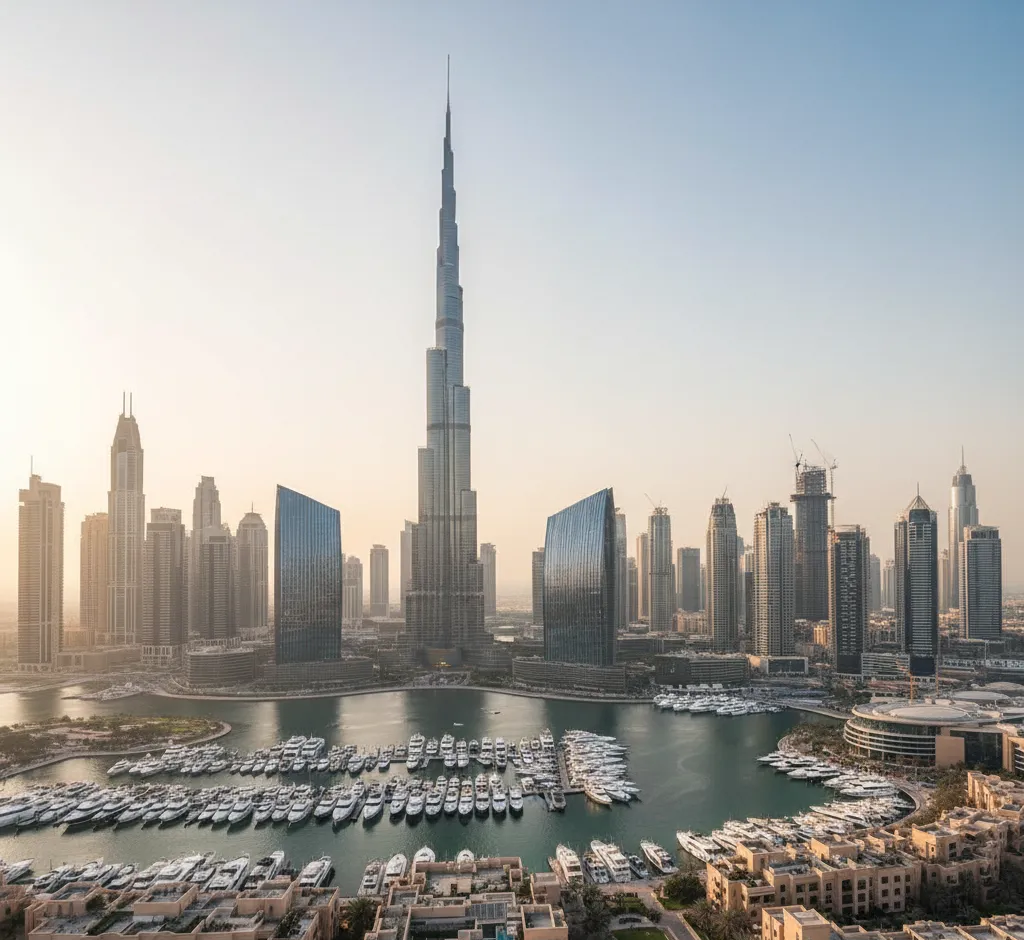
- Downtown Dubai: Burj Khalifa-wijk, hoge STR-vraag, bruto 5-7% maar hoge servicekosten.
- Dubai Marina / JBR: Meest populaire STR-locatie, bruto 6-9% met STR, maar hogere aankoopprijs.
Waarschuwingssignaal: rendementen boven 10%
Als een makelaar of projectbrochure je een netto rendement van 12%, 15% of zelfs 20% belooft, is het tijd om kritische vragen te stellen. Zulke rendementen zijn niet realistisch op structurele basis in de Dubai-markt, en hier zijn de meest voorkomende redenen:
- Kosten worden weggelaten: De 'beloofde' huur is bruto; servicekosten, managementkosten en leegstand worden niet meegerekend
- Gegarandeerde rendementstructuren: Sommige ontwikkelaars bieden 'gegarandeerde huuropbrengsten' voor 2-3 jaar. Na die periode vervalt de garantie en kunnen werkelijke rendementen veel lager zijn
- Overschatte bezettingsgraden: STR-rendementen worden soms berekend op basis van 90%+ bezetting - een realistisch cijfer is 65-75% in populaire gebieden
- Opgeblazen aankoopprijzen: Bij sommige off-plan projecten zijn prijzen kunstmatig hoog, wat het werkelijke toekomstige rendement drukt
- Verborgen kosten: Aanvullende bijdragen aan sinkingfunds, speciale heffingen voor renovaties, enz.
De vuistregel: Een realistisch netto rendement in Dubai ligt tussen 5% en 9%. Alles daarboven verdient grondige aanvullende controle. Alles onder 4% is ook een signaal - het eigendom is waarschijnlijk overgewaardeerd of de kosten zijn excessief.
Totaal rendement: rendement plus waardegroei
Naast huuropbrengsten is er een tweede component voor je totale rendement: waardegroei. Dubai heeft historisch sterke groeicycli gekend:
- 2020-2024: Gemiddelde waardegroei in populaire gebieden van 40-80%
- Palm Jumeirah villa's: sommige zijn verdubbeld in waarde
- JVC en betaalbare segmenten: 30-50% waardegroei over 4 jaar
Echter, vastgoedprijzen kennen ook cycli en correcties. Dubai heeft dit in het verleden aangetoond (2009, 2015-2017). Vertrouw nooit alleen op waardegroei voor je rendementen.
De beste investeringen combineren een solide netto kasstroom (5-7%) met realistisch potentieel voor langetermijnwaardegroei.
Wanneer IS Dubai-vastgoed een goede investering?
Dubai-vastgoed is een sterke investering wanneer:
- Je een investeringshorizon van minimaal 5-7 jaar aanhoudt
- Je een project kiest met aantoonbare huurtracks (of in een gebied met sterke huurbehoefte)
- Je het netto rendement realistisch hebt berekend inclusief alle kosten
- Je rekening hebt gehouden met de belastingimplicaties voor jouw situatie (Box 3-vrijstelling)
- Je een betrouwbare vastgoedmanager hebt voor de dagelijkse bedrijfsvoering
- Je het valutarisico begrijpt en accepteert (AED is gekoppeld aan USD)
Controleer de rendementen van 155 projecten
Wil je weten welke projecten in Dubai realistische en goed onderbouwde rendementen bieden? In onze ROI Calculator kunt je de rendementen van meer dan 155 Dubai-projecten vergelijken - met huidige servicegegevens, realistische bezettingsgraden en netto rendementen inclusief alle kosten.
Conclusie: realistisch, maar niet negatief
Dubai-vastgoed biedt internationale beleggers een aantrekkelijke combinatie: solide netto rendementen (5-9%), belastingvoordelen via verdragarfelingen, politieke stabiliteit en een groeiende stad.
Maar zoals bij elke investering: ken je cijfers, wees kritisch op beloften die te mooi klinken, en bereken altijd het netto rendement. Een goed onderzochte investering in de juiste wijk kan uitstekende rendementen opleveren - een slecht onderzochte investering op basis van bruto rendementbeloften niet.
Wil je persoonlijk advies over een specifiek project of gebied? Neem contact op via WhatsApp.
Meer weten over investeren in Dubai vastgoed?
Wil je dit onderwerp toepassen op jouw situatie? Download de gratis Dubai vastgoed gids, bekijk het actuele Dubai vastgoed aanbod of plan een gratis gesprek met Dubai-Property.nl.




















.png)
.png)

.png)







.avif)
.avif)












.svg)
.svg)
.svg)