
.svg)
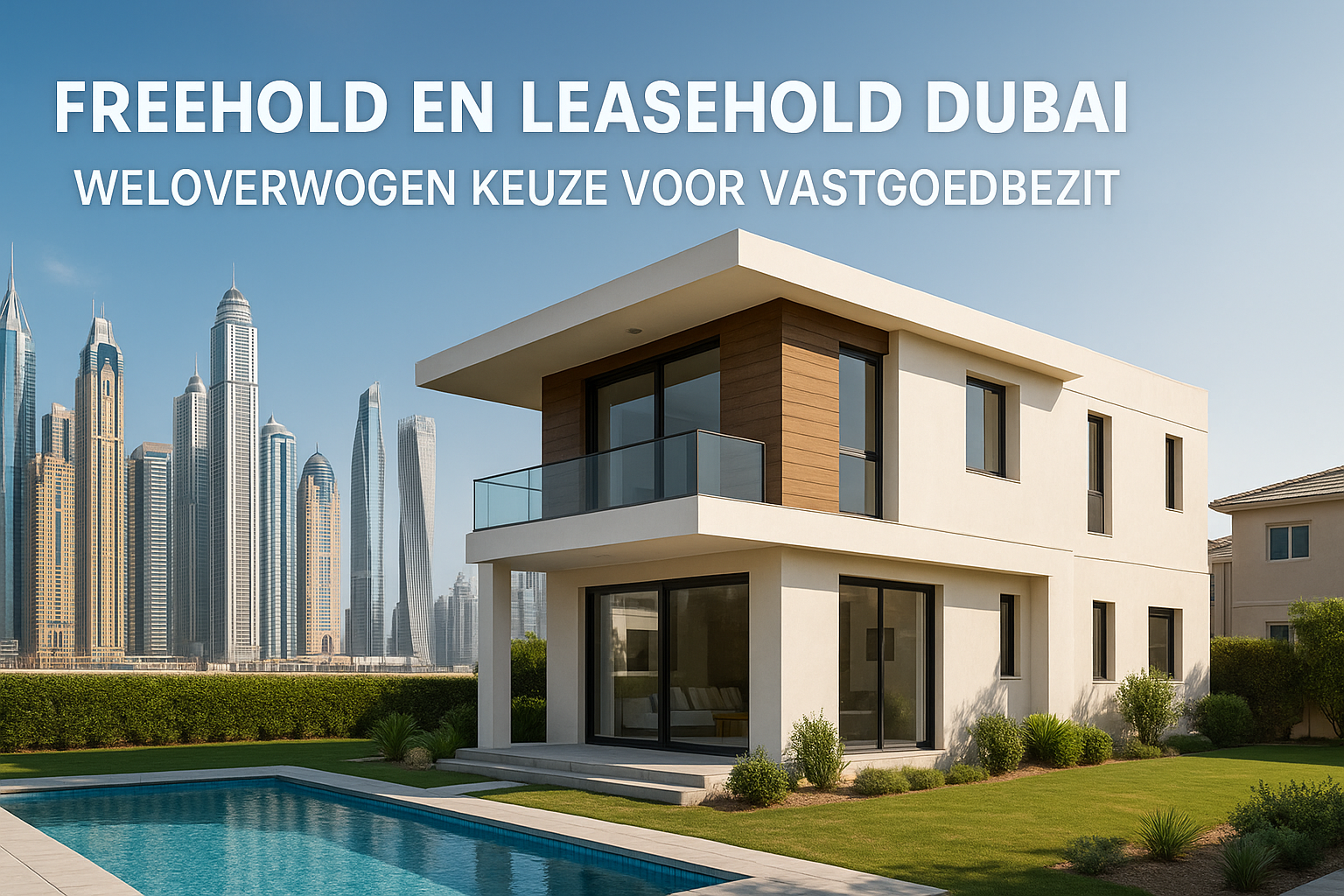


Erfpacht en eigendom in Dubai, een weloverwogen keuze voor vastgoedbezit
Inleiding
Het kopen van een woning in het levendige en steeds groeiende Dubai spreekt veel mensen aan. In dit emiraat, beroemd om zijn imposante gebouwen en bloeiende expat-gemeenschap, zit de vastgoedmarkt vol met kansen. Het is echter belangrijk om te begrijpen dat vastgoedbezit in Dubai niet altijd op dezelfde manier werkt als in andere landen. De kern van de zaak draait om twee eigendomsstructuren: erfpacht en eigendom. Deze termen klinken misschien ingewikkeld, maar zij bepalen wie de woning mag bezitten, hoe lang de eigenaar die rechten behoudt, en welke verantwoordelijkheden daarmee gepaard gaan.
Voor eerste kopers en voor degenen die eerder vastgoed in andere landen hebben gekocht, kan dit onderscheid een verrassing zijn. Daarom is het essentieel om jezelf vertrouwd te maken met de details. Het kernbegrip "Erfpacht en eigendom in Dubai" is niet zomaar een buzzword, het vertegenwoordigt een cruciale beslissing die je neemt bij het veiligstellen van je toekomst in dit emiraat. Je wilt er zeker van zijn dat je investering in Dubai aansluit op je plannen, je financiële mogelijkheden, en de ambities die je voor de woning hebt.
Dubai trekt een brede waaier aan nationaliteiten en beroepsgroepen aan. Sommigen komen voor een korter periode, om geld te sparen of ervaring op te doen in hun vakgebied. Anderen zien een gouden kans om zich met hun gezin te vestigen en voor lange tijd in deze dynamische stad te wonen. In beide gevallen is het belangrijk om te begrijpen hoe je je eigendomsrechten kunt regelen. Wil je ook meer weten over de praktische aspecten van verhuizen, dan kan de informatie in de gids over visum en verhuizen met je gezin naar Dubai zeker helpen. Op deze manier heb je naast je eigendomsstructuur ook een overzicht van andere factoren, zoals inwoning vergunningen en gezinshereniging. In de volgende secties duiken we dieper in op erfpacht en eigendom, en leer je wat dit in de praktijk betekent.
Eigendomsstructuren in Dubai begrijpen
Erfpacht is simpelweg volledige eigendom. Het vertegenwoordigt onbeperkte controle over alle aspecten van een woning of gebouw. Wanneer je voor erfpacht kiest, kun je de woning verhuren, verkopen, of overdragen zonder afhankelijk te zijn van externe instanties, afgezien van standaard juridische procedures. Het is vergelijkbaar met het traditionele eigendomsmodel dat bekend is in veel Westerse landen. Erfpacht biedt rust en zekerheid, omdat je weet dat je volledige beslissingsbevoegdheid hebt. Tegelijkertijd rust de verantwoordelijkheid voor onderhoud, renovaties, en eventuele toepasselijke belastingen volledig op de eigenaar.
Eigendom is een ander, soms minder bekend alternatief. Hier heb je eigendomsrechten voor een bepaalde periode, maar die rechten zijn niet onbeperkt. In Dubai zie je vaak erfpachtcontracten voor 99 jaar, hoewel de exacte duur kan variëren. In dit geval verwerf je het recht om de woning te gebruiken en te bewonen, maar het land en het onderliggende eigendom blijven in handen van een ander. Dit kan een ontwikkelaar of een lokaal bedrijf zijn. Ondanks de beperkingen kan eigendom aantrekkelijk zijn als je op zoek bent naar een woning voor de korte termijn of als je minder startkapitaal hebt. De aankoopprijs van een eigendom kan lager zijn, en de kosten voor groot onderhoud zijn soms beperker dan bij erfpacht.
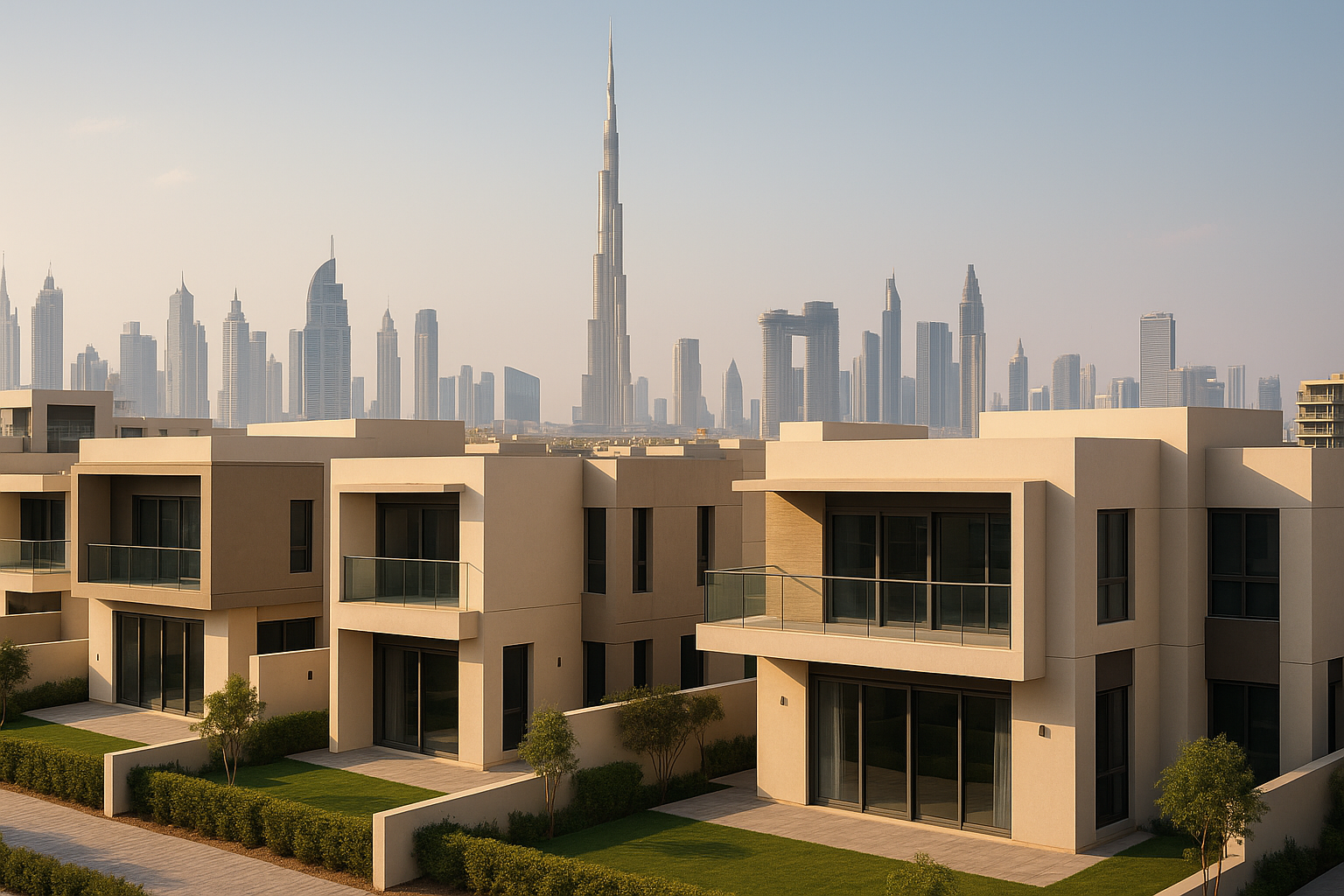
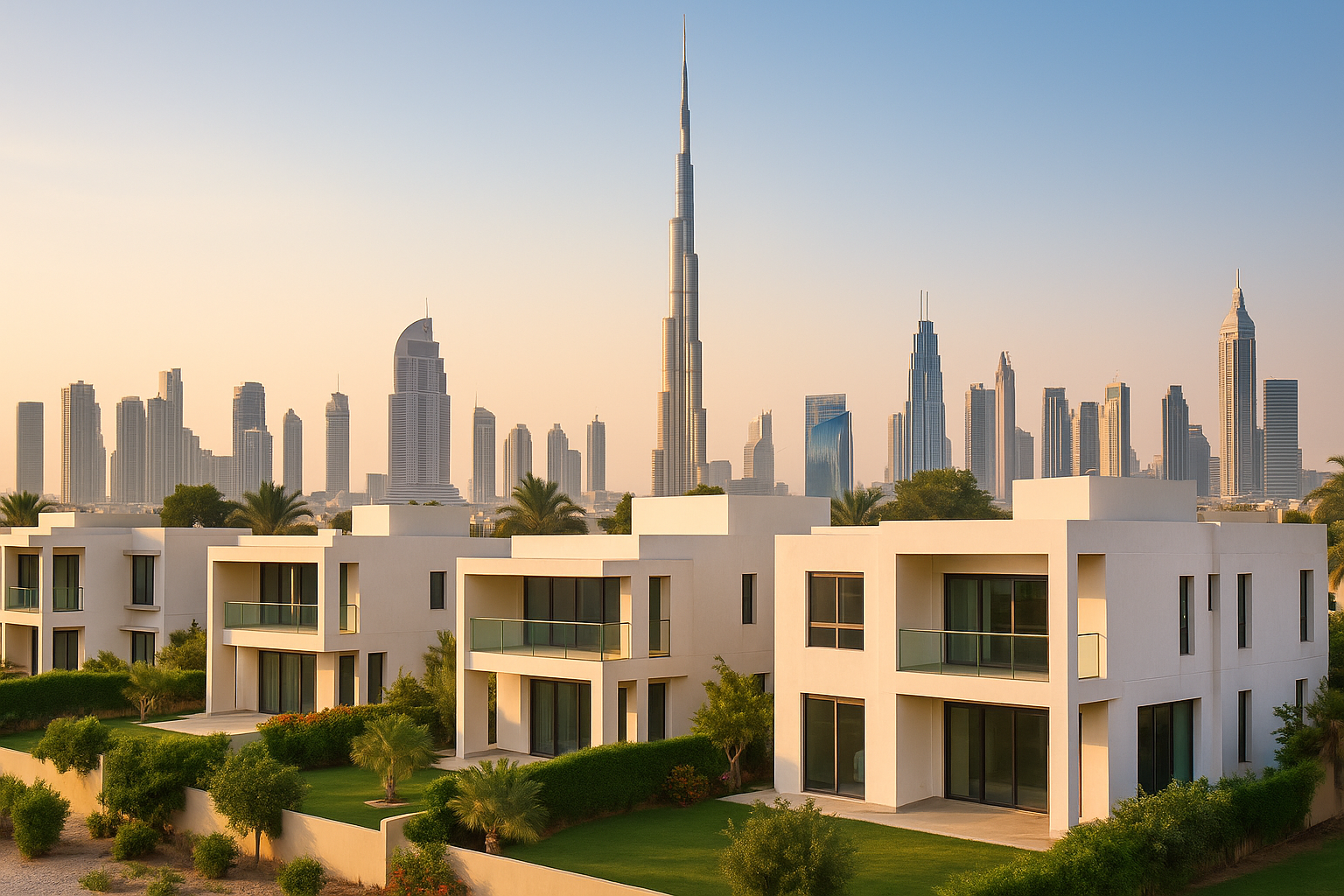
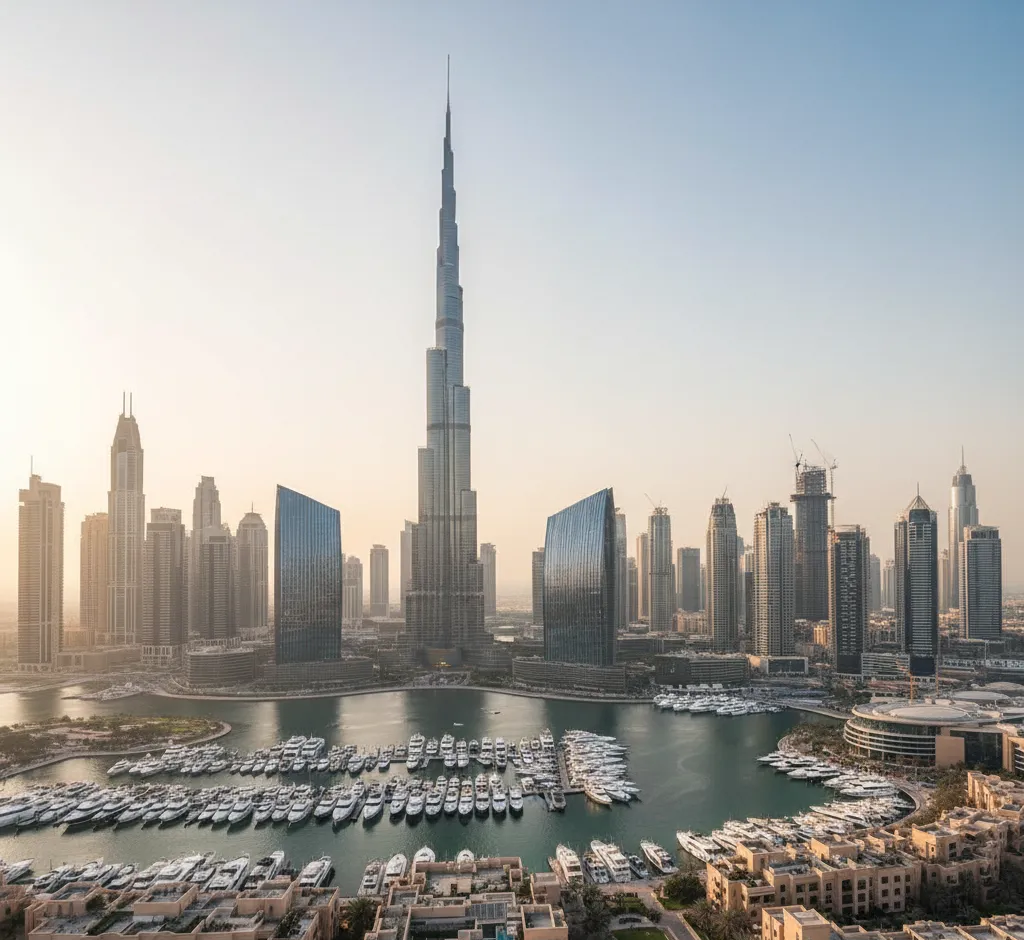
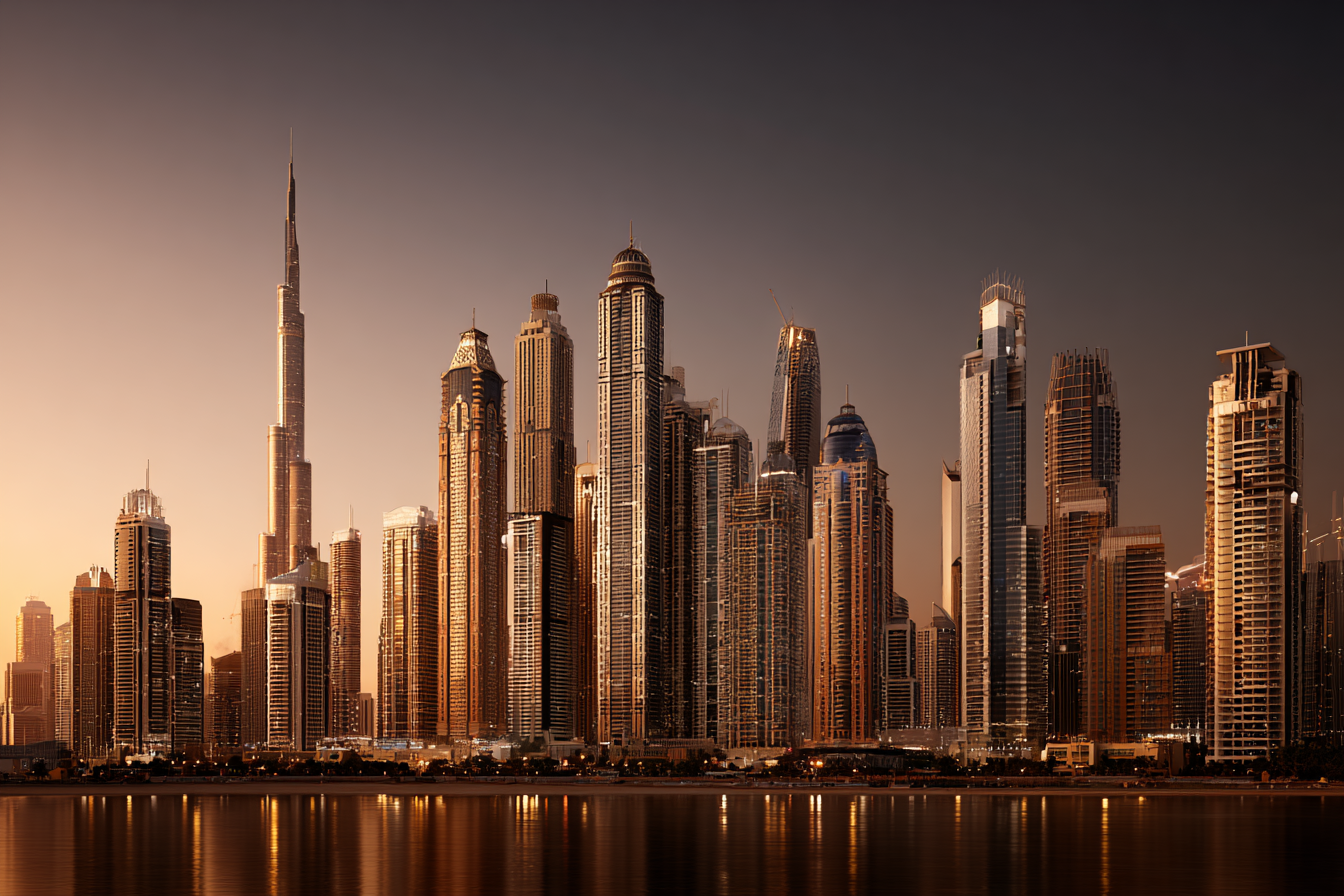
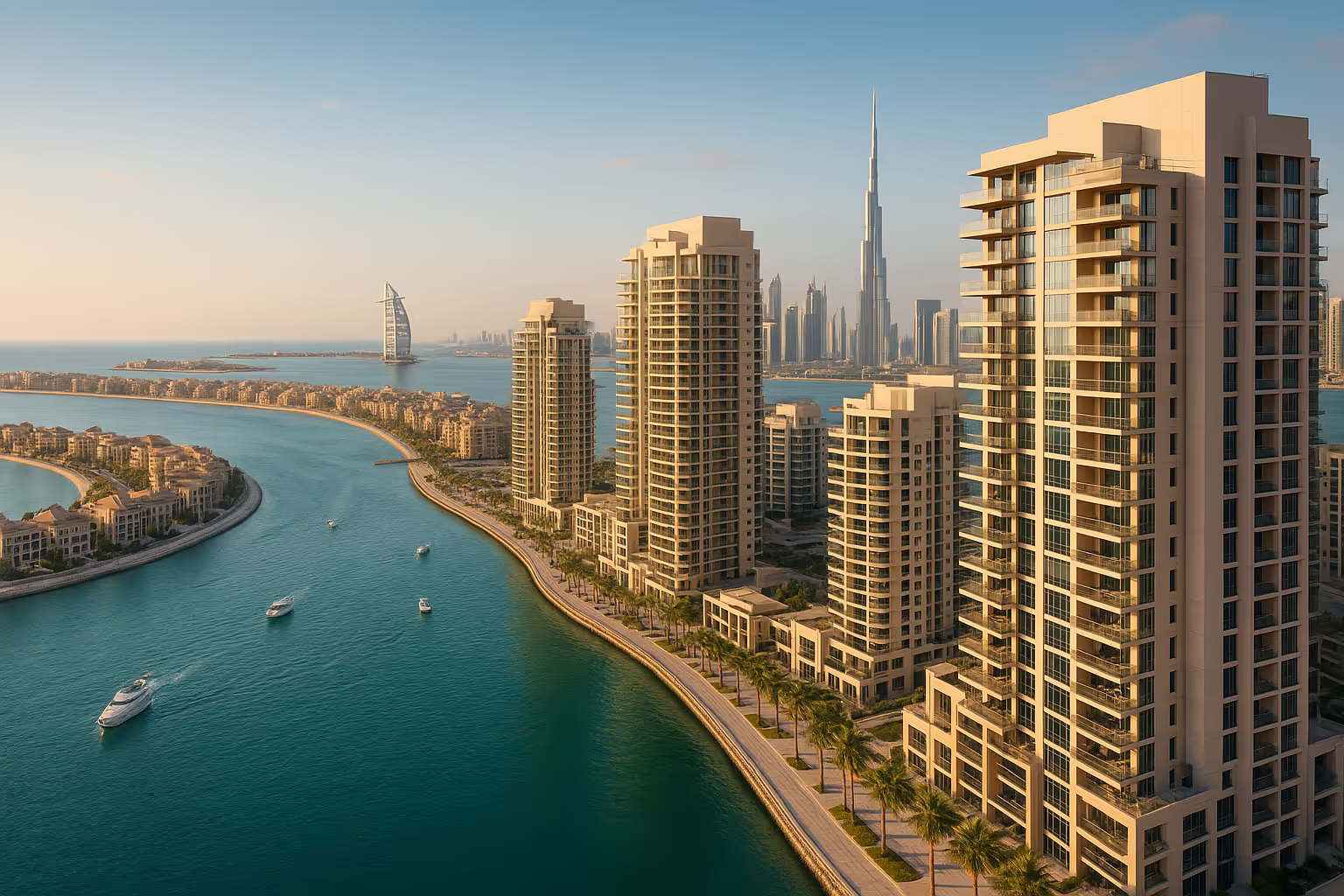
Bij het selecteren van een woning in Dubai speelt geografische ligging een belangrijke rol. De stad is verdeeld in verschillende wijken die direct herkenbaar zijn aan hun karakteristieke skyline of unieke sfeer. Denk aan Downtown Dubai, Dubai Marina, of Jumeirah. Elke wijk heeft zijn eigen voor- en nadelen. Als je een erfpacht koopt, biedt dit je meer vrijheid en kan de woning zich bevinden in gebieden waar expats onbeperkt eigendom mogen hebben. De beste locaties voor vastgoed in Dubai zijn vaak populair vanwege hun centrale ligging, uitstekende voorzieningen, en ontwikkelingskansen. Kies je echter voor eigendom, dan worden de gebieden waar deze structuren van toepassing zijn deels bepaald door de ontwikkelaar of door specifieke regelgeving. Het is altijd verstandig om van tevoren te controleren welke buurten eigendomsrechten bieden voor expats.
Naast de vraag waar je wilt wonen, is betaalbaarheid een cruciaal factor. Dubai staat bekend om luxe appartementen en villa's, maar er zijn zeker betaalbare opties beschikbaar. Vooral bij het verkennen van eigendom kun je soms gunstige deals vinden die minder kapitaal vereisen. Voor een overzicht van budgetvriendelijke opties, raadpleeg je de gids naar betaalbare woningen in Dubai. Dit geeft je een idee van wat mogelijk is binnen je budget.
Juridisch en institutioneel kader
De juridische structuur in Dubai op het gebied van onroerend goed is doelgericht en goed georganiseerd, hoewel deze afwijkt van Westerse normen. Een centrale rol is weggelegd voor de Dubai Land Department (DLD). Dit overheidsorgaan is verantwoordelijk voor het registreren van transacties, het vastleggen van eigendomsakten, en het ontwikkelen van regelgeving bedoeld om zowel kopers als verkopers te beschermen. Of je nu een erfpacht of eigendom koopt, uiteindelijk zul je je documenten moeten laten registreren bij de DLD. Dit bevestigt je rechten en schept duidelijkheid over je eigendom.
Een interessant aspect van de DLD is dat registratiekosten doorgaans door de koper worden betaald, hoewel deze regelingen per transactie kunnen variëren. Het bedrag is ook gekoppeld aan de waarde van de woning. Dit is iets om in je financiële planning mee te nemen. De regels voor erfpacht en eigendom zijn deels vastgesteld en bijgewerkt door de DLD. Houd er rekening mee dat wetgeving in de Verenigde Arabische Emiraten snel kan evolueren in reactie op marktveranderingen. Daarom is het altijd raadzaam om recente bronnen te raadplegen, zoals de uitgebreide vastgoedgids voor Dubai, zodat je op de hoogte blijft van de nieuwste wetten en procedures.
Voor expats is het essentieel om te begrijpen dat de bescherming van eigendomsrechten over het algemeen goed is geregeld in Dubai, op voorwaarde dat je de juiste stappen volgt. Het regelgevingskader van Dubai omvat verschillende juridische pijlers waarbij contracten en eigendomsdocumenten juridisch bindend zijn. In de meeste gevallen zul je geen onverwachte verrassingen tegenkomen als je alles volgens de regelgeving hebt geregeld. Als je twijfels hebt over het juridische kader, kun je altijd een lokale juridisch adviseur inschakelen. Sommige kopers onderschatten hoeveel papierwerk en formaliteiten betrokken kunnen zijn, vooral als het om erfpachtcontracten gaat. Dit vereist soms extra geduld, omdat meerdere partijen - de ontwikkelaar of de primaire eigenaar van het land - betrokken zijn in het proces.
De Dubai Land Department zorgt ervoor dat zowel erfpacht- als eigendom-eigenaren professioneel behandeld worden, maar de specifieke rechten en verplichtingen verschillen aanzienlijk.
Iedereen die in een erfpacht- of eigendomwoning investeert, zou goed doen om eventuele aanvullende lokale wetten te bestuderen. Lees contractbepalingen over onderhoud, verzekeringskosten, en mogelijke beperkingen op renovaties, bijvoorbeeld. Neem de tijd om deze met een expert te bespreken, zodat je achteraf niet ontdekt dat je bepaalde wijzigingen aan de woning niet mag aanbrengen.
Praktische overwegingen bij het kopen van vastgoed in Dubai
De eerste praktische vraag is of je een hypotheek nodig hebt en, zo ja, of je daarvoor kwalificeer. Hoewel de hypotheekmarkt in Dubai steeds meer toegankelijk wordt voor expats, zijn er nog steeds verschillen met wat je in Nederland gewend bent. Niet elke bank biedt even hoge financiering, en er gelden vaak strengere regels rond de Loan-to-Value (LTV)-ratio, vooral voor buitenlanders. In sommige gevallen heb je meer nodig als aanbetaling dan je misschien verwacht. Voor meer informatie over financieringsopties raadpleeg je de informatie over hypotheken en financiering voor expats.
Het type woning dat je koopt is ook belangrijk. Bijvoorbeeld, als je op zoek bent naar een appartement in een toren in een wijk die populair is bij expats, kan het aangewezen zijn als erfpacht, waardoor het gemakkelijk is om eigenaar te worden. Aan de andere kant kan in sommige oudere wijken een eigendomsmodel van toepassing zijn, waarbij je 60 tot 99 jaar gebruiksrechten hebt. Voor sommigen is dat meer dan voldoende, vooral als je niet van plan bent om voor altijd in Dubai te blijven. Denk ook na over onderhoud. Bij erfpacht regel je het meeste zelf. Bij eigendom is dat anders, omdat het land en de fundering in handen van de oorspronkelijke eigenaar kunnen blijven. In dergelijke gevallen betaal je doorgaans een jaarlijkse vergoeding of servicekosten aan de eigenaar of vastgoedbeheerder. Weeg zorgvuldig de totale kosten tegen elkaar af, inclusief verzekering, onderhoud, gemeentelijke belastingen, en eventuele renovaties.
Voor gezinnen zijn er aanvullende factoren om rekening mee te houden. Denk aan nabijheid van scholen, medische faciliteiten, en recreatieruimten. Dubai wemelt van internationale scholen en gezinsvriendelijke buurten, maar sommige daarvan hebben uitsluitend erfpacht. Andere locaties, dichter bij het zakendistrict of dicht bij bepaalde winkels en voorzieningen, hebben een eigendomsstructuur. De ligging kan ook invloed hebben op de waarde van de woning op lange termijn, wat aansluit op je doel - wil je daar permanent wonen, of is het een investering? Diegenen die vooral op zoek zijn naar rendementen kunnen de investeringsgids voor vastgoed in Dubai 2025 raadplegen voor aanvullende inzichten in marktontwikkelingen.
- Controleer nabijgelegen voorzieningen: scholen, ziekenhuizen, vervoer
- Vergelijk servicekosten en onderhoudscontributies voor villa's en appartementen
- Overweeg hoe lang je in Dubai wilt blijven: korte of lange termijn
- Onderzoek belastingvoordelen of mogelijke heffingen voor expats
- Raadpleeg deskundigen om juridische valkuilen te vermijden
Door al deze factoren naast elkaar te evalueren, krijg je een realistisch beeld van je maandelijkse en jaarlijkse kosten. Dit helpt je een stabiele situatie voor uzelf en je gezin op te bouwen, niet alleen nu maar ook in de toekomst.
Financiële aspecten en financiering
Een van de belangrijkste vragen over het verschil tussen eigendom en erfpacht in Dubai is: hoe beïnvloedt dit je financiële planning? Bij eigendom ben je de volledige eigenaar, wat doorgaans betere herverkoopmogelijkheden en mogelijk hogere waardestijging met zich meebrengt als de markt groeit. Dit vereist echter meestal ook een hogere initiële investering. Banken en financiële instellingen zijn vaak bereid om hypotheken voor eigendomseigenschappen af te sluiten, maar passen soms strengere criteria toe. Bovendien is het verstandig om rekening te houden met de jaarlijkse kosten die in sommige gemeenschappen gelden voor gezamenlijk onderhoud of voorzieningen.
Erfpacht daarentegen kan meer toegankelijk zijn voor mensen met een beperkter budget of een kortere beleggingshorizon. De totale aankoopprijs is vaak lager en maandelijkse kosten kunnen gunstiger uitvallen. Het is echter niet altijd eenvoudig om een lening voor erfpachteigenschappen veilig te stellen, omdat banken kritisch naar het betrokken risico kijken. Als je van plan bent het pand slechts enkele jaren te gebruiken, kan erfpacht nog steeds een verstandige keuze zijn. Maar als je primair naar lange termijnwaarde en eigendomsrechten streeft, is eigendom de betere optie. Voor zowel eigendom als erfpacht is het verstandig om lokale en internationale rentetarieven te vergelijken zodat je een hypotheekstructuur kunt kiezen die bij je behoeften past.
Voor de registratie zelf dient de koper in te calculeren voor een percentage registratiekosten, meestal ongeveer 4% van de aankoopprijs. Bovendien kunnen er bij erfpacht extra kosten ontstaan voor verlenging van het erfpachtcontract aan het einde van de looptijd. Wees ook voorzichtig voor eventuele belastingen en heffingen die de regering in de toekomst zou kunnen invoeren. Vastgoedmanagement kan ook een bepalende factor voor je rendement zijn. Vanuit financieel perspectief is het interessant om te lezen over het verschil tussen vastgoedmanagement en rendement in Dubai versus Nederland. Dit artikel toont de kosten die je in Nederland zou tegenkomen vergeleken met de voorzieningen die Dubai biedt.
Iedereen die een lening overweegt, dient niet alleen naar rentetarieven te kijken maar ook naar risico's met betrekking tot marktvolatiliteit. Zorg ervoor dat je een financiële buffer hebt om tijdelijke dalingen in de vastgoedmarkt op te vangen.
Tot slot is het raadzaam om verschillende hypotheekverstrekkers te vergelijken, niet alleen de grote banken. Er zijn ook gespecialiseerde leners die zich richten op expats. Let op de totale kosten, zoals notariskosten, verzekeringen en eventuele overboekingtariefen als je van leeningverstrekker wilt wisselen. Een solide plan zal je op lange termijn veel stress besparen.
Samenvatting: welke eigendomsstructuur past bij je?
De keuze tussen eigendom en erfpacht hangt af van hoe lang je van plan bent in Dubai te blijven, hoeveel kapitaal je kunt investeren en hoe je de toekomst van je investering voor zich ziet. Eigendom is aantrekkelijk voor diegenen die naar lange termijnstabiliteit en volledige eigendom streven, met potentieel voor hogere rendementen in de loop van de tijd. Erfpacht daarentegen is meer geschikt als je voor een kortere periode in Dubai blijft, minder financiële druk wilt voelen, of gewoon liever niet de volledige verantwoordelijkheid voor het gebouw en terrein draagt.
Voordat je je definitieve beslissing neemt, is het handig om een checklist van je prioriteiten op te stellen. Houd rekening met de locatie, financieringsopties en de behoeften van je gezin, zoals scholen en recreatieve voorzieningen voor kinderen. Je wilt mogelijk de flexibiliteit hebben om je huis te renoveren of het op te nemen in een groter renovatieplan. Bij erfpacht is dit vaak beperkt, terwijl eigendom je meer vrijheid geeft. Bovendien is het verstandig om rond te vragen, referenties te controleren en met andere eigenaren te spreken die al ervaring hebben. Overweeg ook om professioneel juridisch advies in te winnen als je twijfels hebt, zodat je je beslissing op feiten baseert in plaats van alleen op brochures.
Oproep tot actie - Volgende stappen
Als je heeft besloten in Dubai te investeren, is het belangrijk voorzichtig te werk te gaan. Raadpleeg altijd deskundigen, zoals vastgoedadviseurs, hypotheekverstrekkers en juridisch specialisten. Zij kennen de lokale markt, de regels van het Dubai Land Department en waar je op moet letten. Neem de tijd om met hen je financiële capaciteit, doelstellingen en eventuele exitstrategie te bespreken. Probeer ook, indien mogelijk, de buurten die je aanspreken persoonlijk te bezoeken. Spreek met bewoners en kijk welke voorzieningen, scholen en supermarkten in de buurt beschikbaar zijn.
Op zoek naar meer inspiratie over beleggingsstrategieën? Bekijk ons artikel over ondernemers die vastgoed kopen als beleggingsstrategie. Dit toont hoe verschillende kopers en investeerders hun visie op de markt vormgeven. Als je volledig klaar bent om te kopen, streef dan naar heldere communicatie met de verkoper en met het Dubai Land Department. Zorg ervoor dat al je papierwerk in orde is, je financiering is veiliggesteld en je contract sluitend is. Met deze stappen ben je één stap dichterbij het verwezenlijken van je droomhuis of die ene slimme investering in Dubai.
Veelgestelde vragen
Wat maakt eigendom zo aantrekkelijk voor expats?
Eigendom geeft je volledige eigendom van het pand en in bepaalde gebieden ook van het terrein. Dit betekent dat je het pand zonder beperkingen kunt doorverkopen, verhuren of overdragen. Deze vrijheid en zekerheid spreken veel internationale kopers aan, vooral diegenen die van plan zijn lang in Dubai te blijven of die het pand later winstgevend willen doorverkopen.
Is erfpacht werkelijk een betrouwbare optie?
Ja, erfpacht is goed gereglementeerd door wet in Dubai. De rechten en verplichtingen zijn duidelijk omschreven in het erfpachtcontract, dat is geregistreerd bij het Dubai Land Department. Je hebt het recht om het pand te bewonen en het mogelijk binnen die periode te verhuren. Voor degenen die geen permanente eigendom willen of minder geld willen investeren, kan erfpacht een uitstekende keuze zijn.
Wat is de beste manier om mijn financiering in te regelen?
Controleer eerst de vereisten van verschillende banken en andere leners. Vergelijk rentetarieven, leningtermijnen en aanvullende kosten zodat je de beste deal kunt bepalen. Houd ook rekening met aanbetaling, die voor expats in Dubai hoger kan uitvallen. Voer grondig onderzoek uit en zoek advies van professionals om een passende lening veilig te stellen.
Kan ik mijn eigendomspand gemakkelijk doorverkopen?
In de meeste gevallen ja. Eigendom geeft je het recht om op elk moment te verkopen zonder toestemming van een derde partij nodig te hebben, zolang je aan de juridische vereisten voldoet. Het is echter verstandig om markttrends te monitoren en te begrijpen hoe vraag en aanbod zich ontwikkelen. Een prima locatie en een goed onderhouden pand kunnen de herverkoopmogelijkheden aanzienlijk vergroten.
Waar moet ik op letten bij ondertekening van een erfpachtcontract?
Lees de details over de looptijd en verlengingsbepalingen zorgvuldig door. Controleer of er beperkingen zijn op renovaties en hoe onderhoudskosten tussen je en de ontwikkelaar worden verdeeld. Het is ook verstandig om te vragen wat er gebeurt als de oorspronkelijke eigenaar verhuist of als de ontwikkelaar financiële moeilijkheden ondervindt. Een grondige controle van het contract helpt je onverwachte verrassingen tijdens de gebruiksperiode te vermijden.
Meer weten over investeren in Dubai vastgoed?
Wil je dit onderwerp toepassen op jouw situatie? Download de gratis Dubai vastgoed gids, bekijk het actuele Dubai vastgoed aanbod of plan een gratis gesprek met Dubai-Property.nl.
















.png)
.png)

.png)





.avif)
.avif)












.svg)
.svg)
.svg)