
.svg)



Dubai Golden Visa
Belangrijkste punten
- Langdurig verblijfsrecht: de Dubai Golden Visa biedt verblijfsvergunningen tot 10 jaar.
- Vastgoedinvestering: off-plan projecten en bestaande woningen kunnen een route naar verblijf zijn.
- Belastingvoordelen: geen inkomstenbelasting op huurinkomsten en geen vermogensbelasting, wat aantrekkelijk is voor buitenlandse investeerders.
- Familievisum: maak gebruik van het familievisum voor gezinshereniging en langer verblijf.
- Regelgeving: blijf op de hoogte van de laatste regels en documentatievereisten van de Dubai Land Department en immigratieautoriteiten.
Inhoudsopgave
- Inleiding
- Wat is de Dubai Golden Visa?
- Waarom investeren in Dubai vastgoed?
- Voordelen en risico's van off-plan projecten
- Financieringsmogelijkheden
- Belastingvoordelen en familievisum
- Praktische tips en regelgeving
- Conclusie
- Veelgestelde vragen
Inleiding
Een groeiend aantal internationale investeerders ontdekt de unieke kansen die Dubai te bieden heeft. Een belangrijk onderdeel hiervan is de Dubai Golden Visa - een speciaal visum dat vermogenden en bepaalde hoggeopgeleiden het recht geeft om jarenlang in Dubai te wonen. Dit visum is ideaal voor investeerders die een stabiele verblijfsstatus wensen zonder gedoe. In deze blog gaan we dieper in op de vereisten voor de Dubai Golden Visa, de voordelen van een familievisum in Dubai en hoe het investeren in off-plan vastgoed kan leiden tot aantrekkelijke financiële groei. We verkennen ook financieringsmogelijkheden, de rol van banken en ontwikkelaars en waarom de belastingvoordelen in Dubai zo aantrekkelijk zijn. Voor nieuwkomers op de markt is het belangrijk te begrijpen dat de Golden Visa veiligheid biedt, niet alleen voor jezelf maar ook voor je gezin. Door dit beleid trekt Dubai vermogenden aan die helpen bij de verdere groei van het emiraat. Tegelijkertijd profiteer je van een dynamische economie en een hoge levensstandaard, inclusief topkwaliteit onderwijs, gezondheidszorg en vervoersfaciliteiten. In deze uitgebreide gids nemen we je mee van de basis tot geavanceerdere strategieën, zodat je precies weet wat je kunt verwachten wanneer je ervoor kiest in Dubai te investeren. We behandelen onderwerpen zoals het minimale investeringsbedrag, de duur van de verblijfsvergunning, toezicht van de Dubai Land Department en de financiële en juridische aspecten van het vastgoedaankoop proces. Deze blog is geschikt voor zowel eerstmaals investeerders als ervaren beleggers die de volgende stap in Dubais opwindende vastgoedmarkt willen zetten.
Wat is de Dubai Golden Visa?
De Dubai Golden Visa is een verblijfsvergunning die loopt van vijf tot tien jaar, afhankelijk van je type investering of expertise. Het doel van dit programma is om buitenlandse investeringen te bevorderen en hoggekwalificeerde professionals aan te trekken. Met de Golden Visa kun je langer in Dubai blijven dan met een standaard verblijfsvisum, wat je meer ruimte geeft om je bedrijf uit te bouwen, je financiële structuur op te zetten of simpelweg te genieten van het leven in deze moderne stad. De regering van Dubai heeft deze 'gouden' strategie gekozen om de lokale economie te versterken en te concurreren met andere wereldsteden die ook buitenlandse kapitaalinvesteringen verwelkomen. Dit visum kan bijzonder voordelig zijn als je overweegt naar Dubai te verhuizen of een langere periode werkend en wonend in Dubai door te brengen. Het verschil tussen de Golden Visa en een familievisum is dat het familievisum minder strikte investeringsvereisten stelt en gericht is op gezinshereniging. De Golden Visa daarentegen biedt mogelijkheden voor diegenen die willen investeren terwijl ze hun ondernemersambities navolgen. Als je meer wil weten over het meenemen van je gezin naar Dubai, vind je gedetailleerde informatie in onze gids op Dubai: verhuizen met je gezin - visumgids 2025 voor Nederlandse burgers. Het is belangrijk te beseffen dat de Golden Visa een serieuze toewijding vereist, omdat je moet investeren in vastgoed of andere sectoren aangewezen door de lokale regering. Tegelijkertijd biedt het zekerheid, omdat je gegarandeerd een langdurige verblijfsvergunning hebt zonder herhaalde verlengingen. Dit geeft gemoedsrust, vooral als je grotere projecten plant zoals off-plan vastgoedontwikkeling of langere investeringstermijnen.
Waarom investeren in Dubai vastgoed?
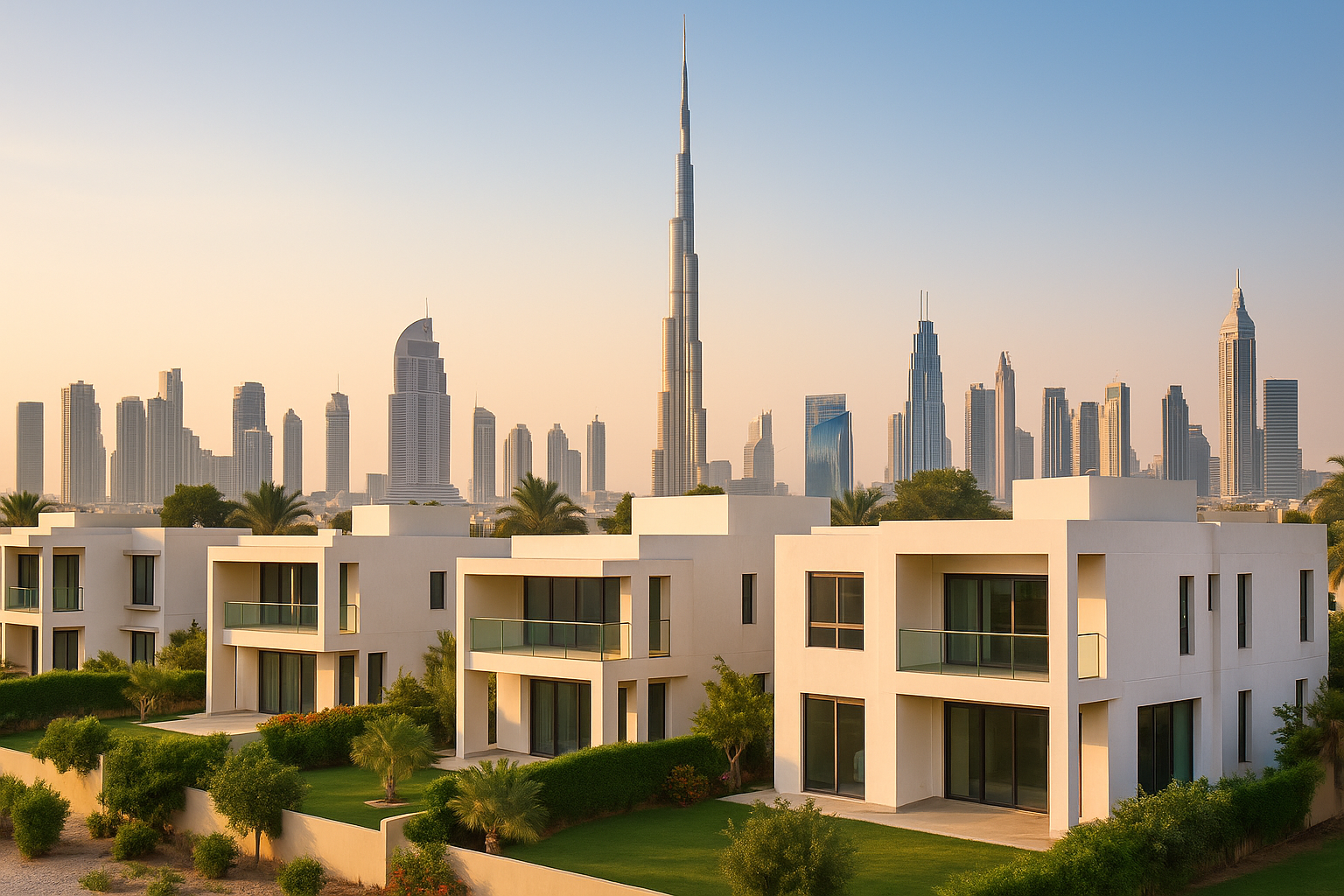
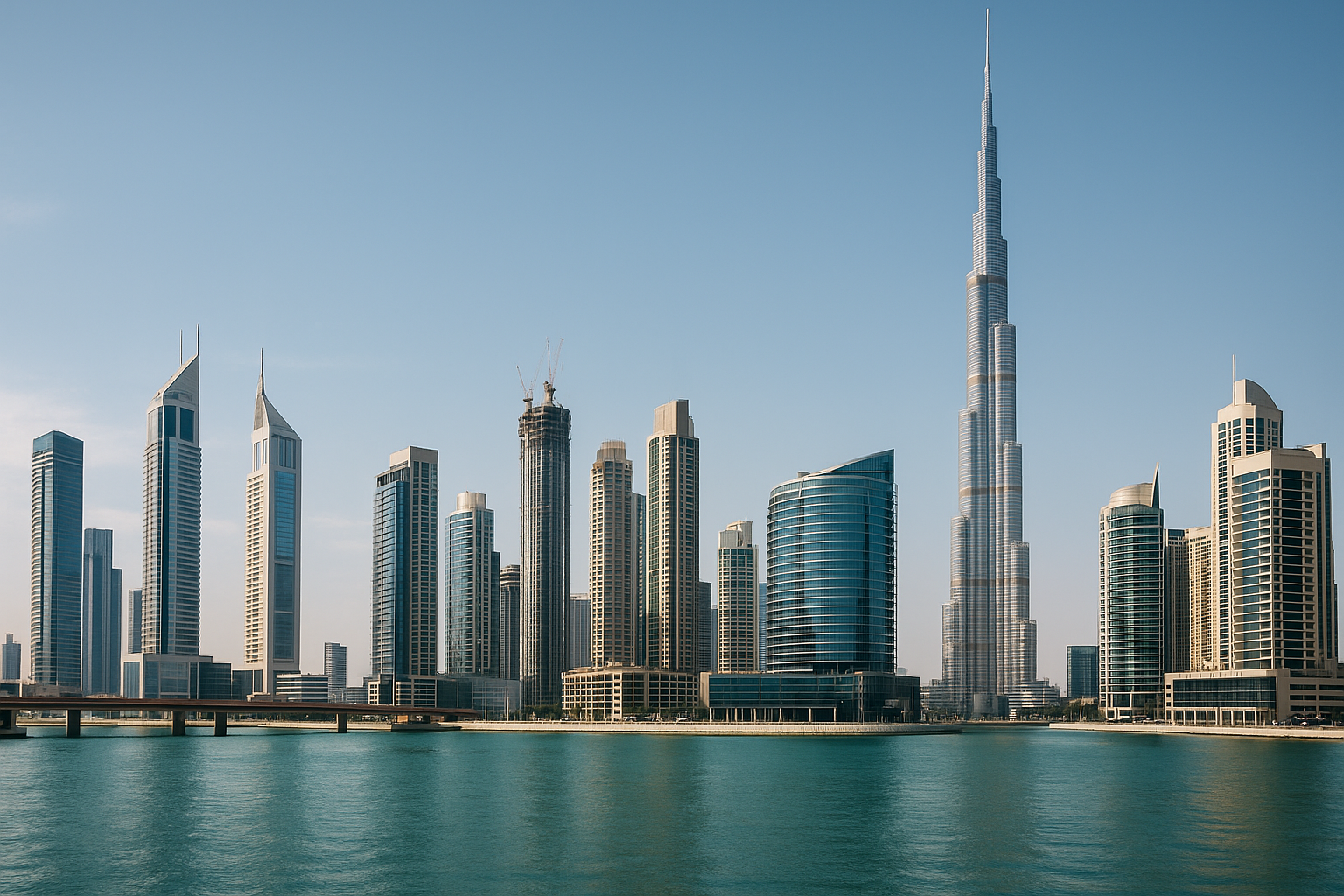
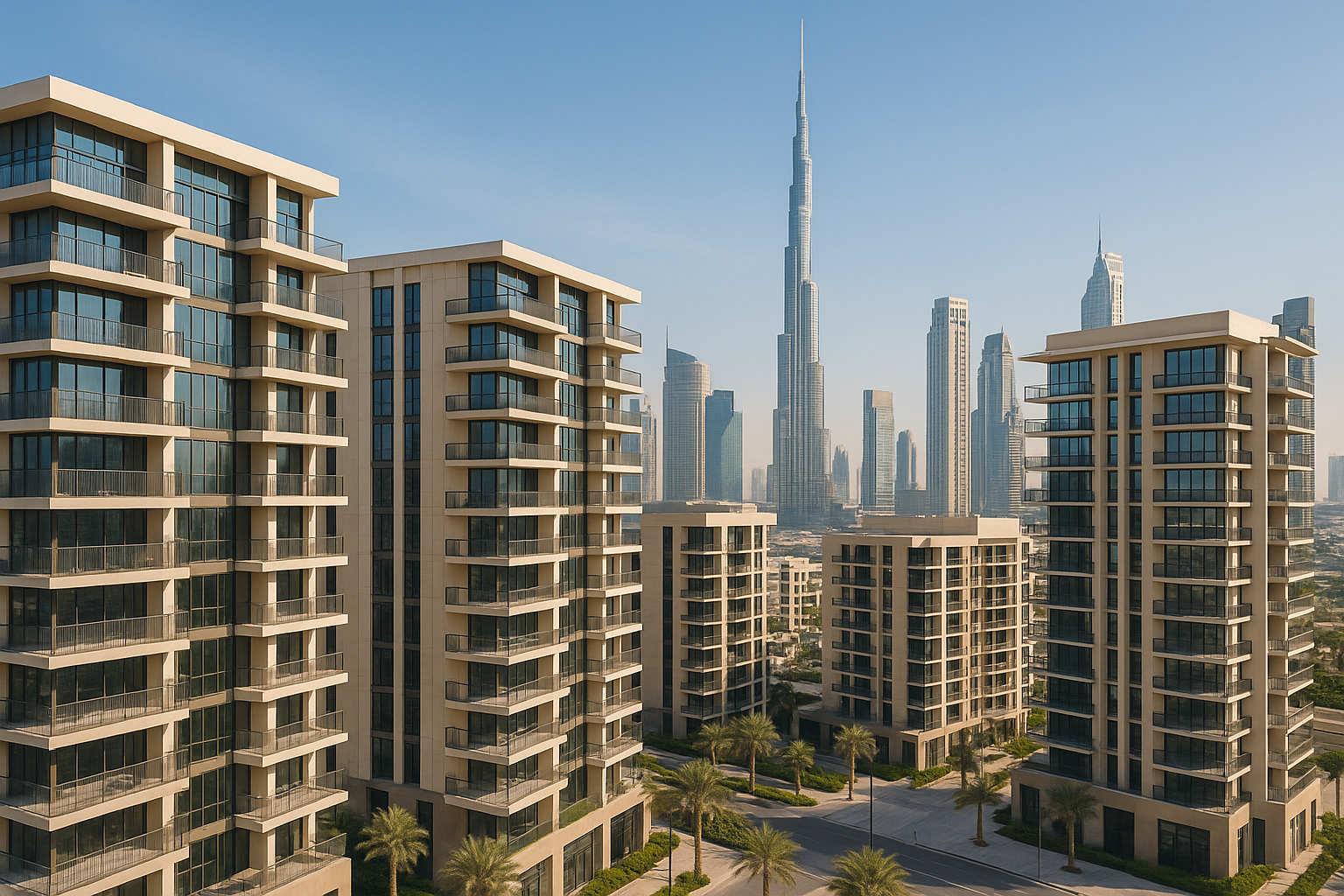
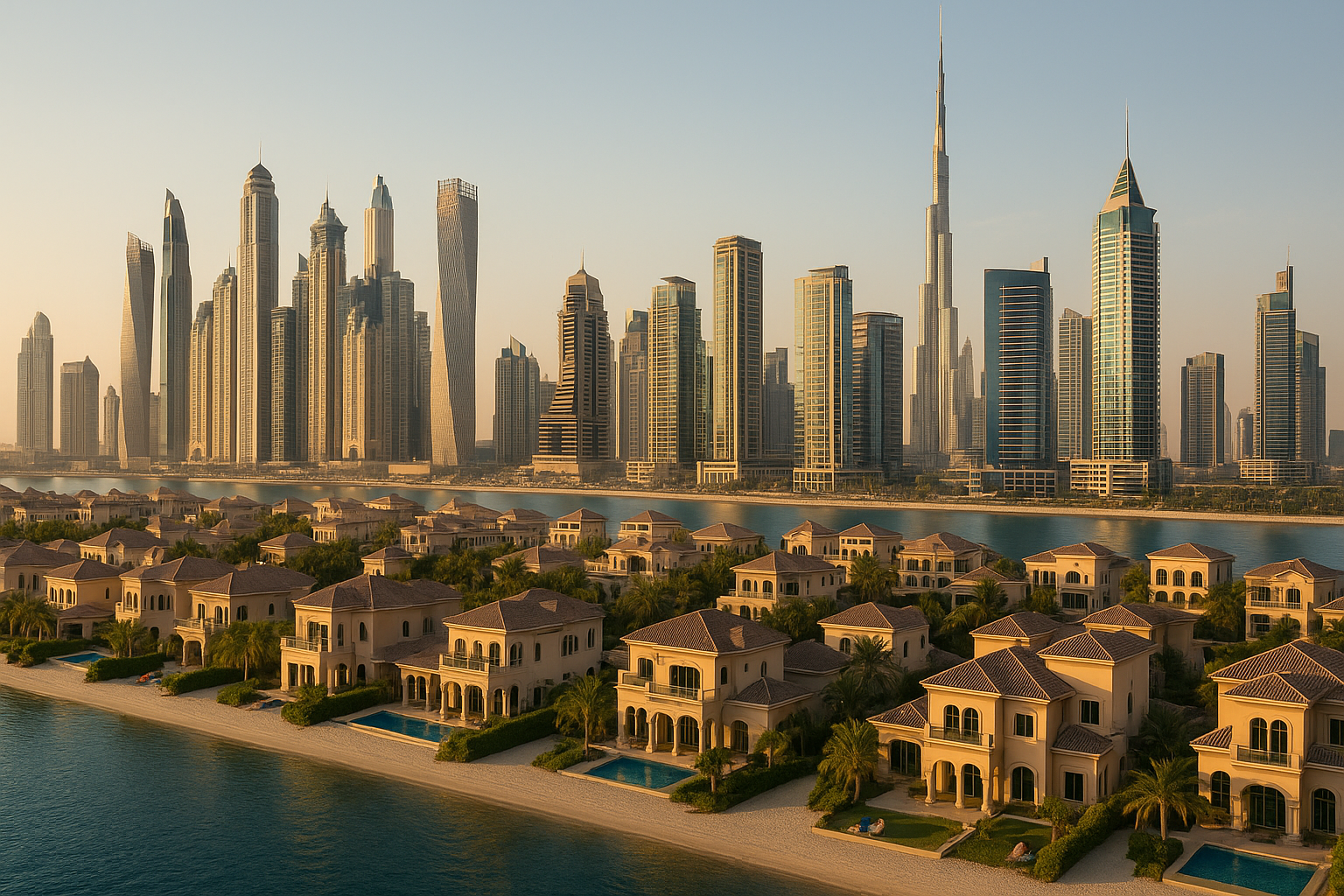
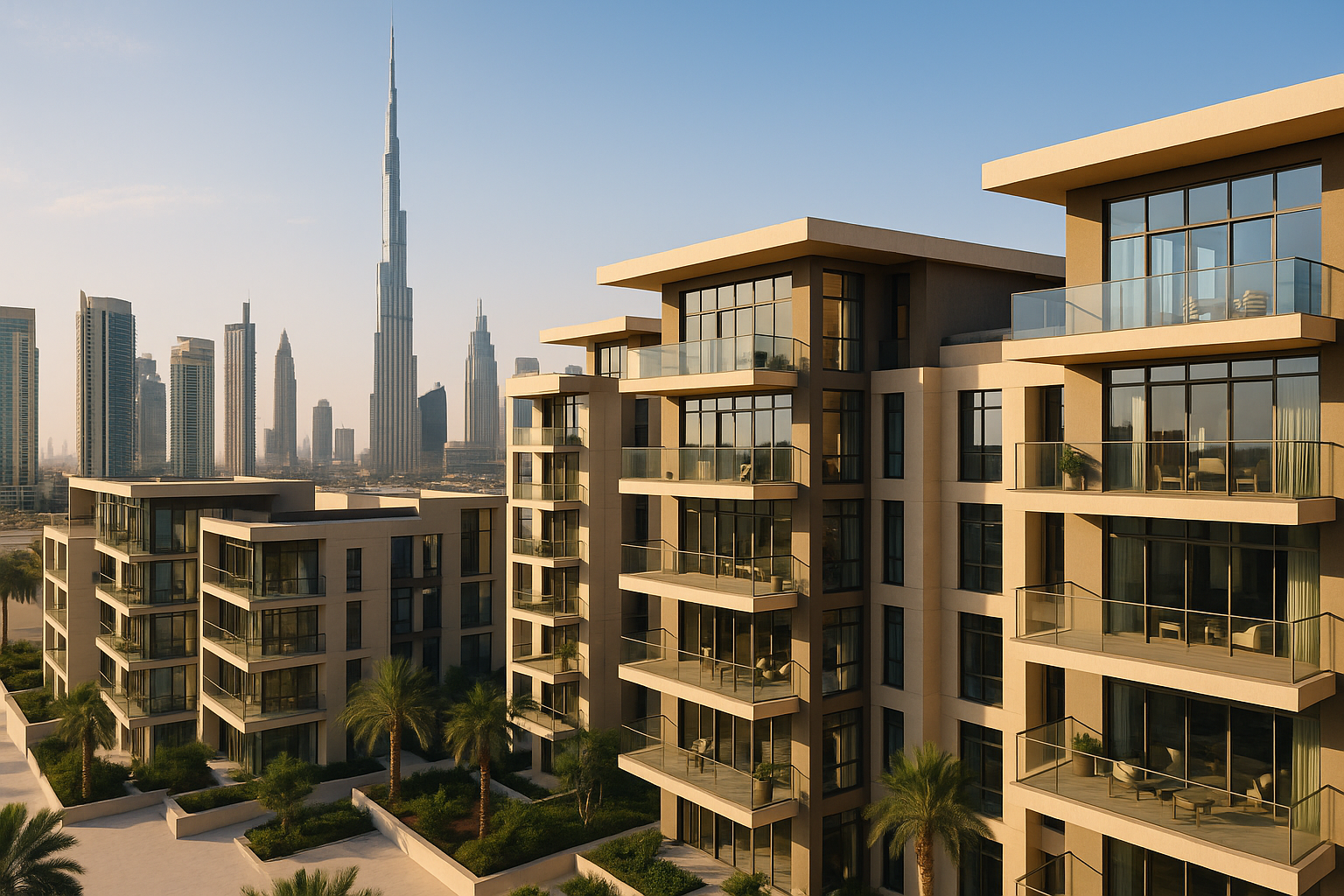
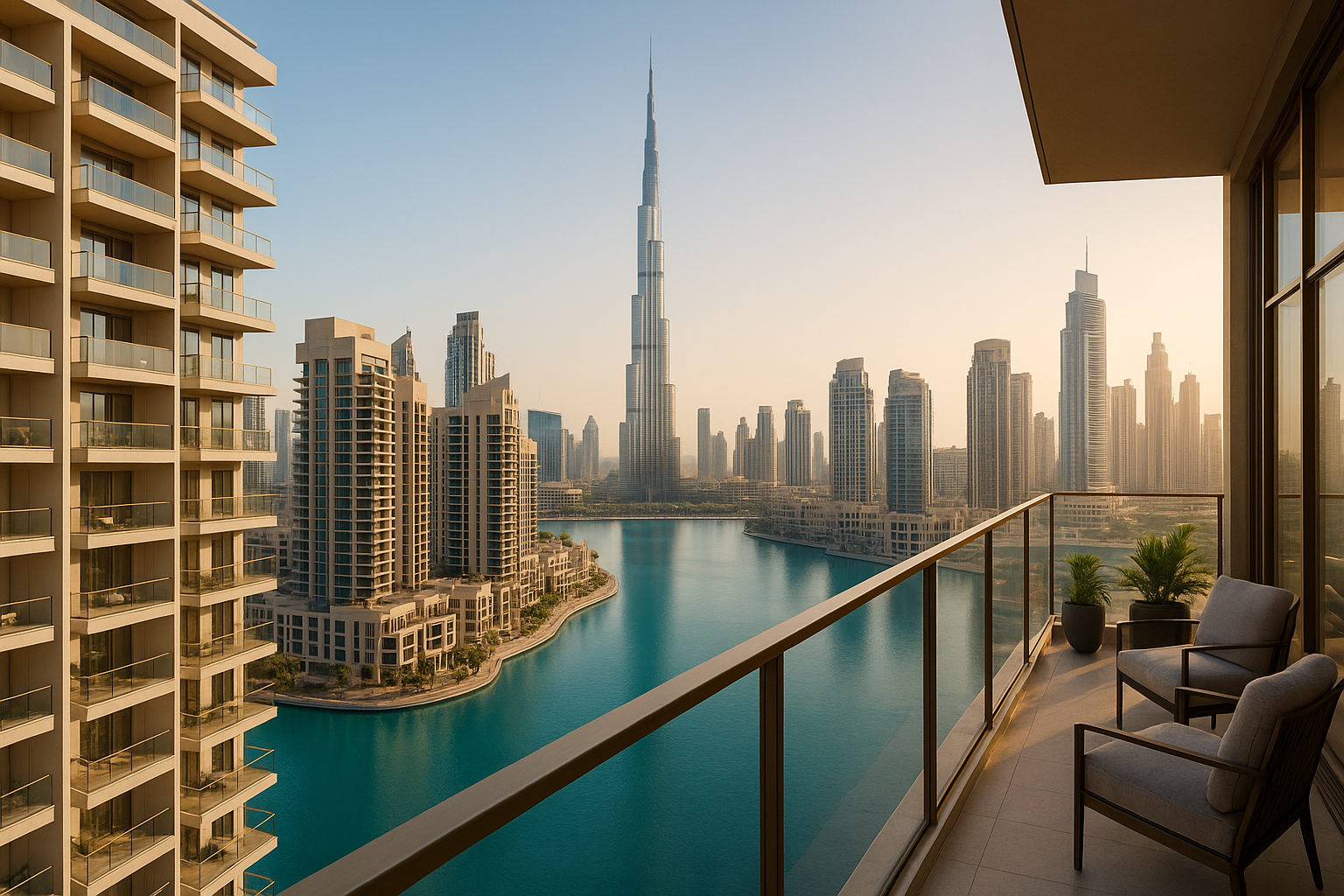
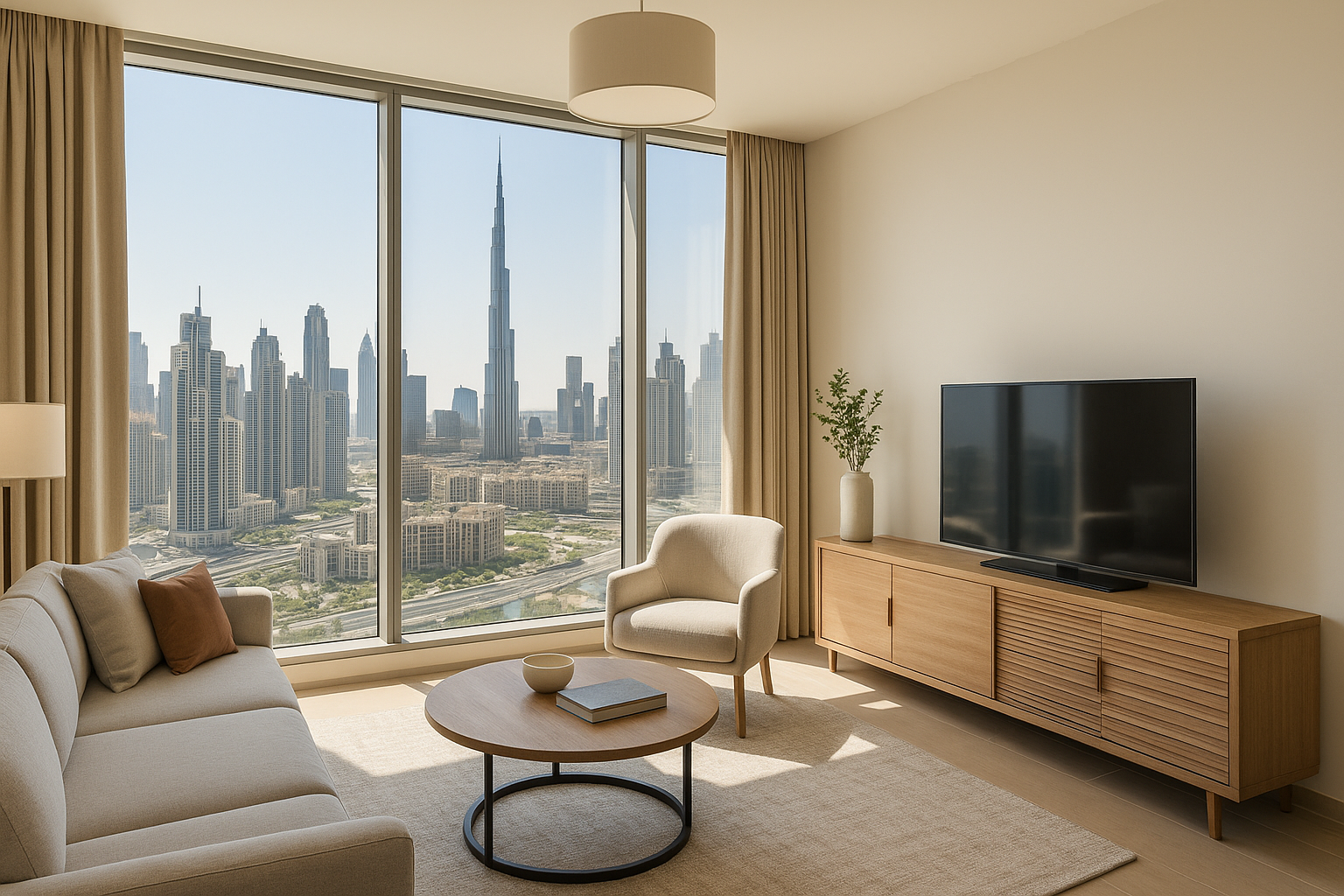
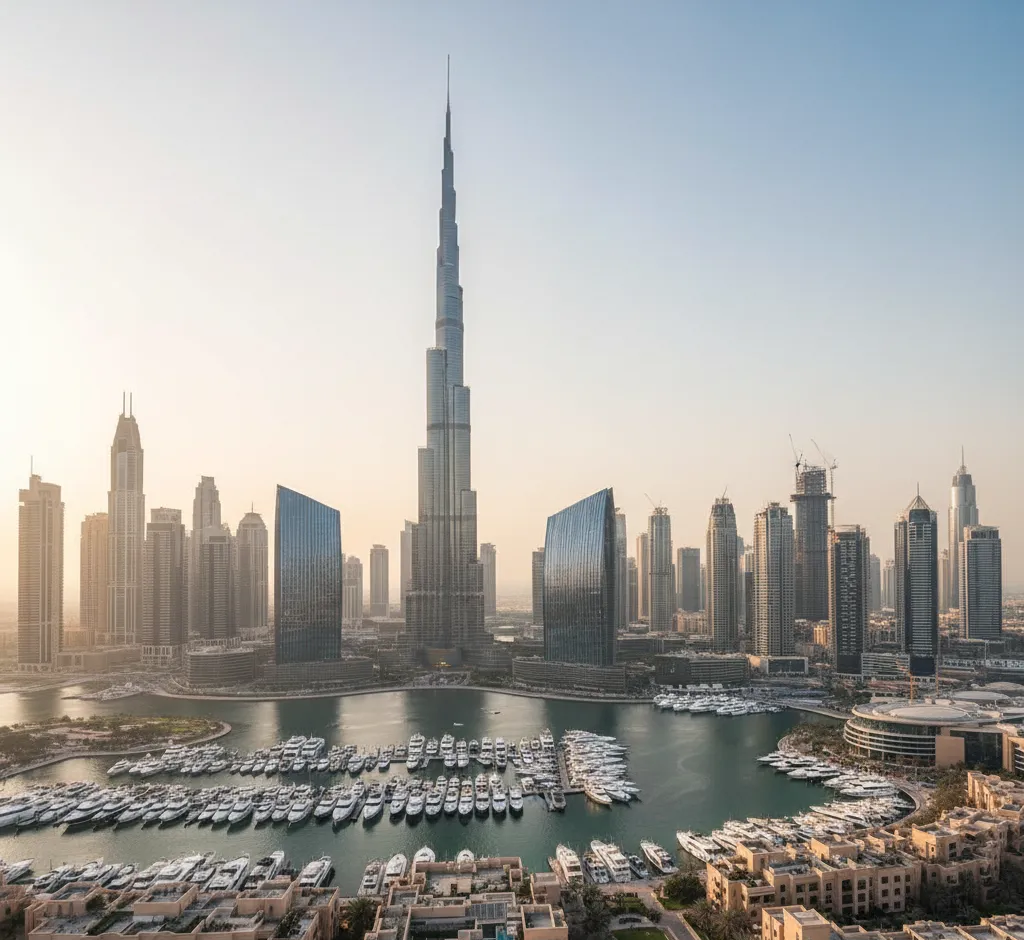
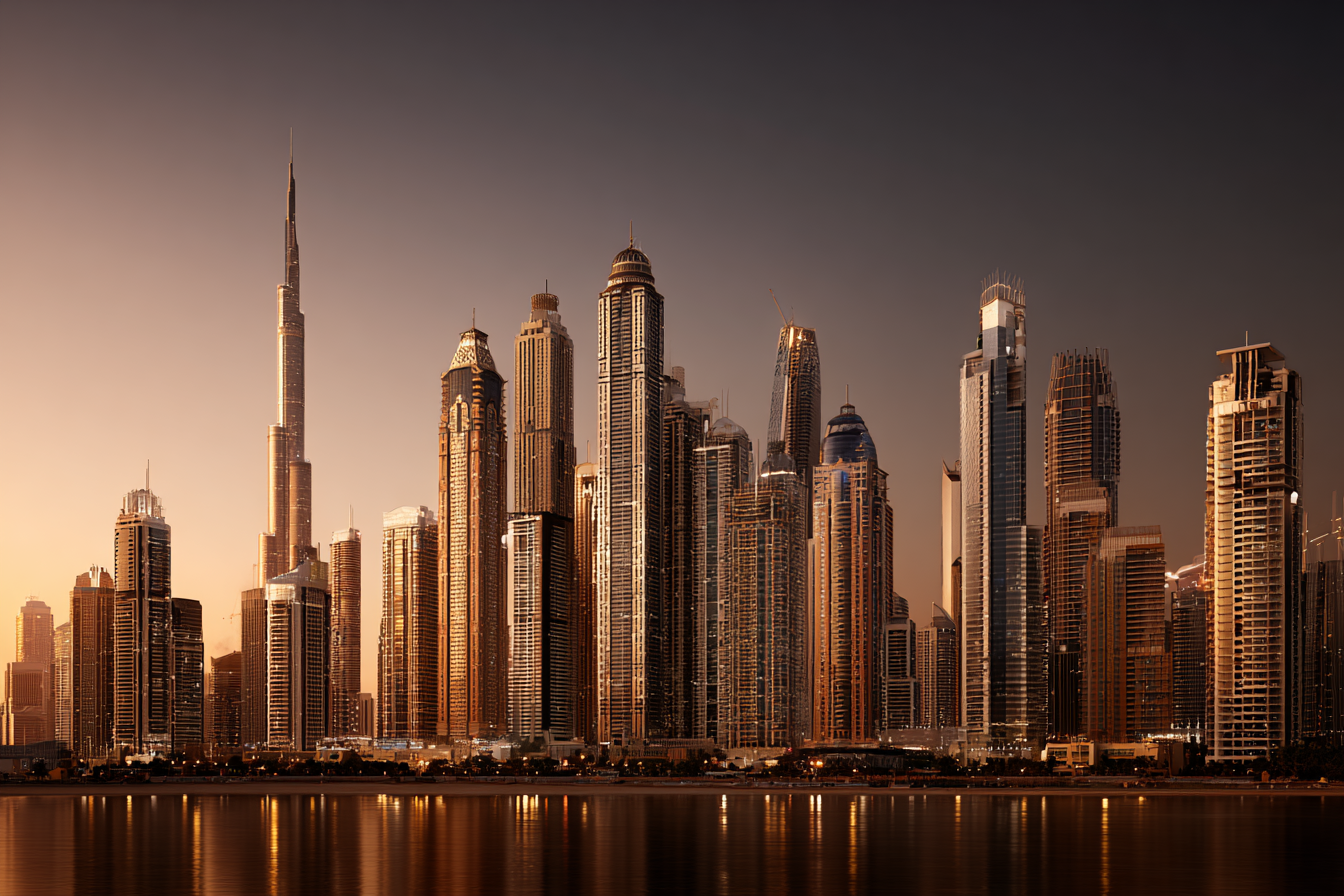
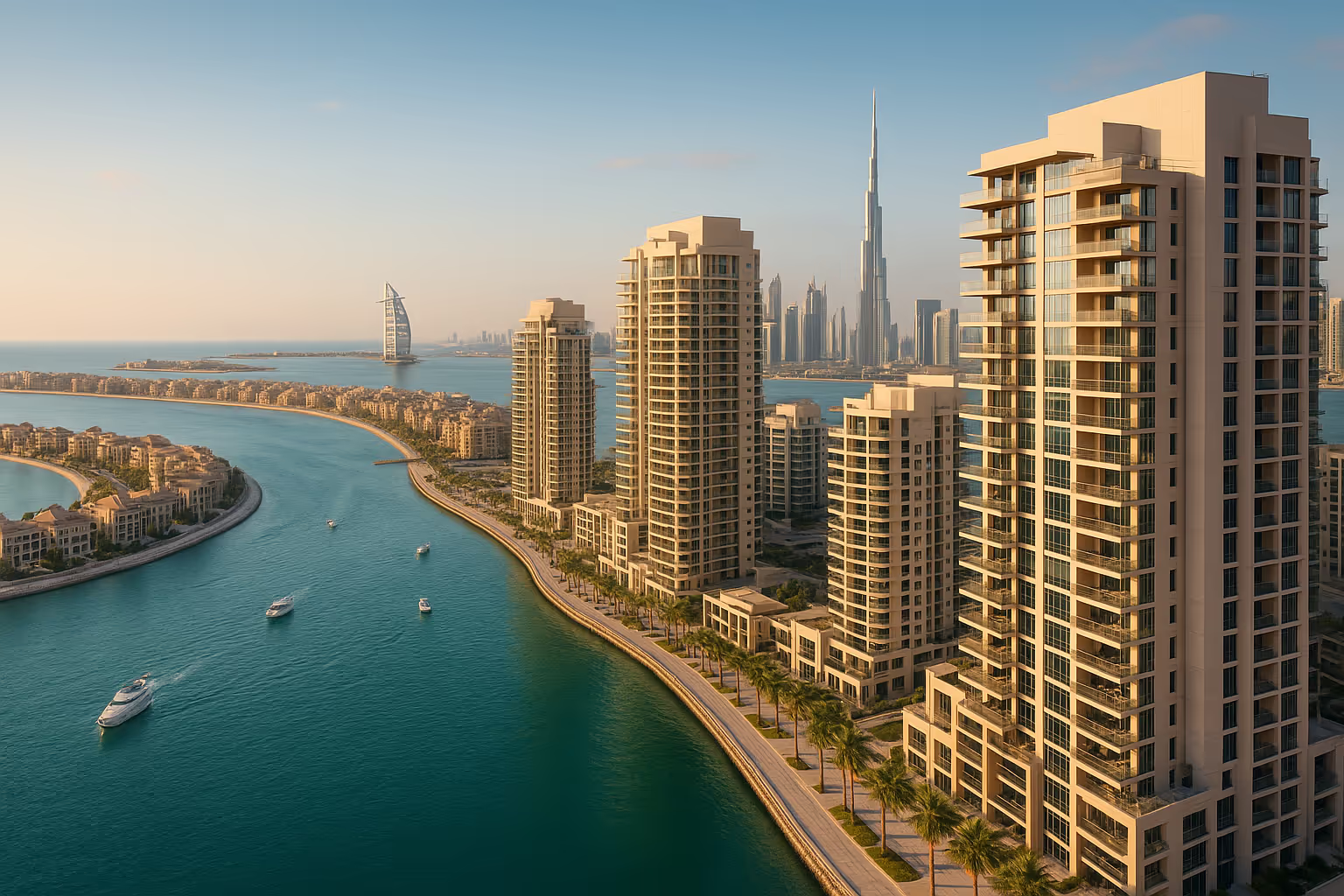
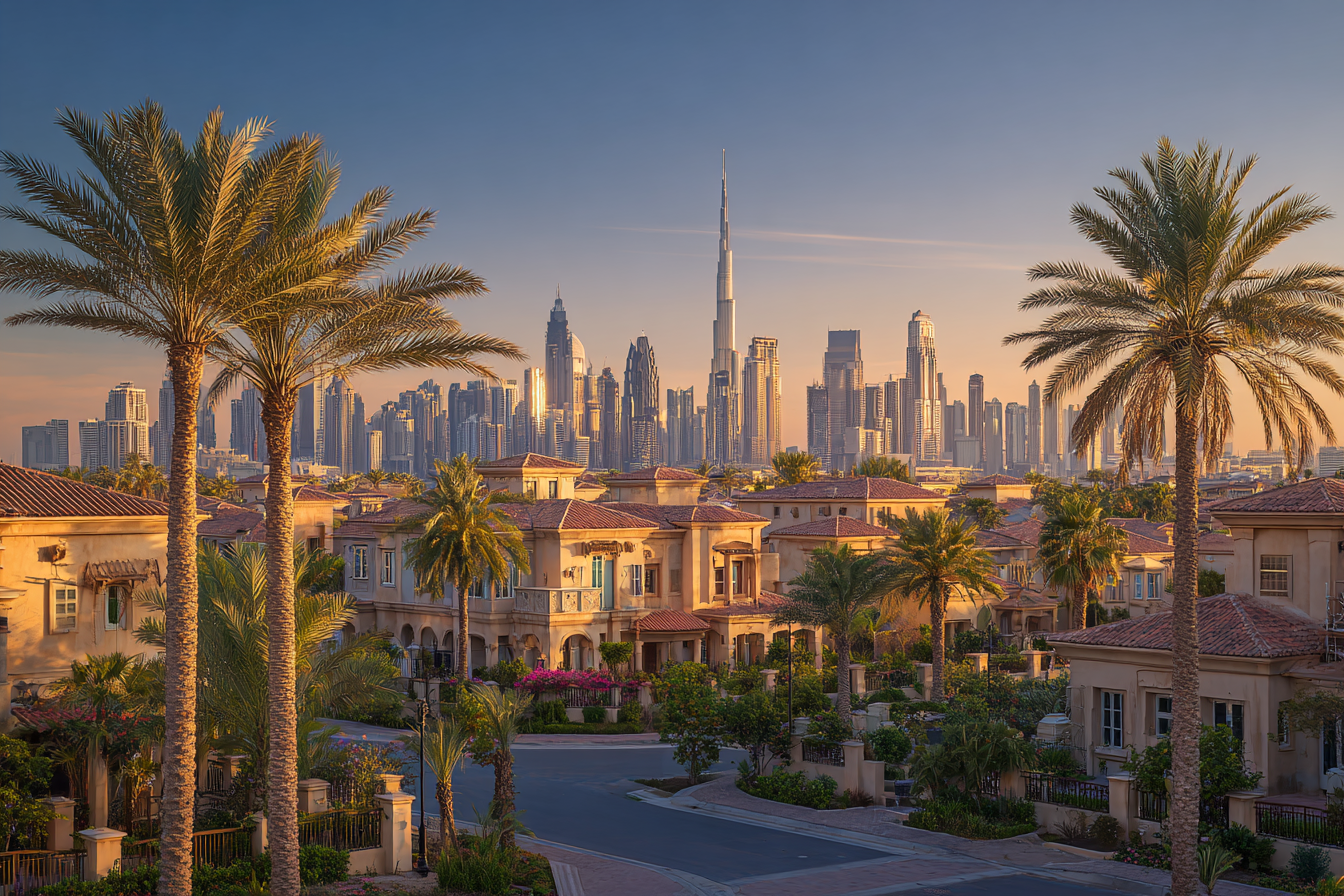
Dubai staat bekend als een stad van superlatieven: torenhoge wolkenkrabbers, luxe winkelcentra en ambitieuze bouwprojecten. De vastgoedmarkt heeft ook een indrukwekkende reputatie opgebouwd. Investeren in Dubai vastgoed komt met talrijke voordelen. De stad blijft zich voortdurend ontwikkelen en zijn vooruitstrevende infrastructuur, stabiele politieke klimaat en internationale sfeer trekken steeds meer nieuwe inwoners en toeristen aan. Dit creëert vraag naar huizen, appartementen en commerciële panden. Tegelijkertijd richt Dubai zich op diversificatie voorbij de traditionele olie-industrie, wat leidt tot een bredere economische basis. Door in off-plan projecten te investeren, profiteer je vaak van een lagere inkoopprijs, potentiële waardegroei en flexibele betalingsschema's die door ontwikkelaars worden geboden. Dubais groeiende bevolking - nu meer dan vier miljoen - creëert extra vraag naar residentiële en commerciële ruimte. Onlangs onderzoek geeft aan dat vastgoedtransacties de 900 miljard dirham kunnen overschrijden in een recordjaar, wat de vastgoedmarkt tot een bepalend kenmerk van Dubais economie maakt. Voor investeerders die stabiele rendementen zoeken, is Dubai aantrekkelijk door de combinatie van hoogwaardige nieuwbouwprojecten en een relatief eenvoudig aankoopproces. Bovendien heeft de regering welwillende regelgeving ingesteld om investeerdersbescherming te waarborgen. Je kunt voortdurend controleren bij de Dubai Land Department dat alle vergunningen in orde zijn. Er is ook een duidelijk systeem voor het registreren van koopcontracten en eigendomsrechten, wat vertrouwen geeft aan investeerders die hun kapitaal willen laten groeien in een internationaal uitbreidend knooppunt. Dubai biedt ook talrijke vastgoedbeheerdiensten, met gespecialiseerde bedrijven die onderhoud, verhuur en alle administratieve taken afhandelen. Dit betekent dat je niet ter plaatse hoeft te zijn om je investering groeien. Of je nu een appartement als vakantiehuis zoekt of liever een hele torentuin aanschaft voor doorverkoop, Dubai biedt talrijke mogelijkheden. Houd echter in gedachten dat elke investering risico's meebrengt, dus onderzoek zorgvuldig de markt, de locatie en de betrokken ontwikkelaars.
Voordelen en risico's van off-plan projecten
Een van de meest besproken manieren om in Dubai te investeren is door middel van off-plan vastgoedprojecten. Bij een off-plan project binden investeerders zich vast voordat het pand volledig is gebouwd. Dit brengt een reeks voordelen met zich mee. Ten eerste kun je door vroeg in te schrijven vaak kiezen uit de meest gewilde locaties en plattegronden. Je geniet meestal ook een lagere koopprijs vergeleken met een voltooid pand. Sommige ontwikkelaars bieden gefaseerde betalingsschema's aan, wat betekent dat je niet het volledige bedrag vooraf hoeft te betalen. Dit maakt off-plan vastgoed toegankelijker voor een breder publiek. Je blijft flexibel en kunt je kapitaal indien gewenst over meerdere projecten verspreiden. Er zijn echter ook risico's. Bouw kan vertraagd optreden of marktverhoudingen kunnen veranderen, wat betekent dat de verwachte waardegroei niet altijd onmiddellijk wordt gerealiseerd. Ook kunnen kwaliteitsproblemen optreden. Daarom is het essentieel om met een gerenommeerde ontwikkelaar samen te werken en grondig onderzoek naar hun track record uit te voeren. Lees beoordelingen van eerdere projecten, controleer de ontwikkelingsplannen en verifieer dat er zekerheid is dat het gebouw binnen de overeengekomen tijd wordt voltooid. Meer informatie over off-plan investeren kun je vinden in onze Off Plan Dubai 2026: Complete Gids Voor Investeren in Luxe Vastgoed en Rendement. Het is ook verstandig om aandacht te besteden aan mogelijke serviceheffingen en andere terugkerende kosten. Daarnaast raden we aan om eenmaal je off-plan pand voltooid is, een betrouwbaar vastgoedbeheerbedrijf in te schakelen. Dit bespaart je veel moeite op lange termijn bij dagelijks beheer - een aanzienlijk voordeel als je in het buitenland woont. Houd in gedachten dat Dubai, als dynamische stad, voortdurend nieuwe projecten lanceert, dus het timing van je investering is belangrijk. Wanneer de markt op zijn hoogtepunt is, kunnen waarden snel stijgen, maar omgekeerd kan een afname van vraag of een oversupply aan nieuwe ontwikkelingen tijdelijk druk op prijzen uitoefenen.
Financieringsmogelijkheden
Voor degenen die de volledige aankooprijs van een Dubai-eigendom niet in één keer kunnen of willen betalen, zijn er verschillende financieringsmogelijkheden beschikbaar. Lokale banken bieden hypotheken aan expats, maar je moet aan inkomstsvereisten voldoen en vaak een bepaalde verblijfsstatus hebben. Sommige banken vereisen dat je een werkvisum of verblijfsvisum toont voordat je zelfs maar een lening kunt aanvragen. Er zijn echter ook ontwikkelaars die zogenaamde developer finance aanbieden. Bij deze regeling ontvang je als koper een betalingsplan rechtstreeks van de ontwikkelaar. Dit omvat doorgaans een aanbetaling aan het begin van het project, gevolgd door termijnen verspreid over de bouwperiode. Dit type financiering kan voordelig zijn als je niet over het volledige bedrag beschikt of een complex bankproces liever vermijdt. Een ander alternatief is het samenwerken met particuliere investeerders. Je kunt bijvoorbeeld een project ingaan met een investeringsgroep en zowel de kosten als de opbrengsten delen. Let wel op dat alle afspraken waterdicht en goed gedocumenteerd zijn. Meer details over hypotheken, rentetariefen en documentatie vind je in onze Goedkope Woningen Dubai - Een Complete Gids voor Betaalbare Koopopties en Investeren in Vastgoed. Dubai hanteert ook een Loan-to-Value (LTV)-regel die bepaalt wat het maximale leenbedrag is in verhouding tot de marktwaarde van het onroerend goed. Het is verstandig om je totale kostenplaatje te kennen, inclusief administratieve en registratiekosten, overdrachtsbelasting en andere lasten. Bovendien vereisen sommige banken verzekeringen - bijvoorbeeld een levensverzekeringspolissen gekoppeld aan de hypotheek, zodat bij overlijden de schuld is afgelost. Zorg ervoor dat je de exacte voorwaarden met verschillende banken of financieringspartijen verduidelijkt voordat je begint. Houd ook rekening met wisselkoersschommelingen, vooral als je vanuit Europa, Amerika of elders komt. De dirham is gekoppeld aan de Amerikaanse dollar, wat soms in je voordeel kan werken, maar even goed tegen je kan werken als de valutamarkt volatiel is. Door voorzichtig te werk te gaan en meerdere aanbieders te vergelijken, kun je de meest betaalbare en veilige route naar vastgoedfinanciering in Dubai bepalen.
Belastingvoordelen en familievisum
Een van de grote aantrekkingskrachten van Dubai is het belastingvoordeel. De regering heft geen inkomstenbelasting op huuropbrengsten, en ook geen vermogensbelasting. Dit staat in scherp contrast met veel Europese landen, waar een aanzienlijk deel van de huuropbrengsten naar de belastingdiensten gaat. Deze fiscale ruimte betekent dat je van het begin af aan een hoger netto-rendement kunt genereren - zeer aantrekkelijk voor internationale vastgoedinvesteerders. Houd echter rekening met andere kosten, zoals registratiekosten en een overdrachtsbelasting van ongeveer vier procent. Er zijn ook servicekosten voor zaken als onderhoud van gemeenschappelijke ruimten in appartementencomplexen. Naast de financiële voordelen is er het familievisum. Dit geeft familieleden het recht om naar Dubai te verhuizen of langer in Dubai te verblijven. Inkomstsvereisten en vastgoedbezit kunnen een rol spelen in de aanvraag. Echter, als je een Golden Visa bezit, wordt de drempel voor het regelen van langdurige verblijfsrechten voor je gezin verlaagd - vooral wanneer je vastgoedinkomen aan de meeste vereisten voldoet. In veel gevallen kun je je echtgenoot en kinderen meenemen zonder dat zij zelf een investering hoeven te doen. Dit vereenvoudigt het proces van emigratie en vestiging in Dubai aanzienlijk. Voor meer informatie over dit onderwerp verwijzen wij je graag naar onze speciale gids over Dubai, verhuizen met je gezin - visumgids 2025 voor Nederlandse burgers. Daar vind je alle details over inkomstendrempels, verzekeringsvereisten en advies over het vinden van scholen en medische voorzieningen. Naast de belastingvoordelen is de algemene levensstijl in Dubai een groot pluspunt voor gezinnen. Veel gated communities hebben gemeenschappelijke zwembaden, speelplaatsen en goed beveiligde omgevingen. De stad scoort ook hoog op het gebied van internationale schoolmogelijkheden, wat aantrekkelijk is voor gezinnen die waarde hechten aan kwaliteitonderwijs. De infrastructuur voor gezondheidszorg en vrijetijd is ook uitstekend ontwikkeld. Kortom, het financiële voordeel van nul of lage directe belastingen, gecombineerd met premium voorzieningen voor het hele gezin, maakt Dubai een bestemming die steeds meer Nederlandse en andere Europese bewoners aantrekt.
Praktische tips en regelgevingsaspekten
Bij het kopen van onroerend goed in Dubai loont het om je huiswerk te doen. Begin met het controleren van de reputatie van de makelaar of ontwikkelaar. Gelicentieerde makelaars zijn geregistreerd bij RERA (Real Estate Regulatory Authority), een afdeling van de Dubai Land Department. Controleer ook of je eigendomsakten kunt bevestigen. Veel investeerders laten een due diligence-onderzoek uitvoeren, waarin een plaatselijke advocaat controleert dat alles in orde is. Deze stap is cruciaal om toekomstige geschillen, zoals onduidelijkheden over de bouwfase of contractvoorwaarden, te voorkomen. Houd er rekening mee dat regelgeving rond het Golden Visa en vastgoedbezit kan veranderen. De Dubai-regering heeft onlangs bepaalde drempels aangepast, zoals de minimale vastgoedwaarde die vereist is voor verblijfsrechten door investering. Blijf op de hoogte door nieuwsbronnen zoals Gulf News of Khaleej Times te volgen. Het IMF Economic Outlook en verslagen van makelaarskantoren zijn ook nuttig. Zodra je een eigendom heeft gekocht, is het handig te weten dat je deze over het algemeen mag verhuren, mits je een geldige licentie of goedkeuring bezit. Controleer de vereisten bij de gemeente en je HOA of huiseigenarencollectief. Dit heeft invloed op je uiteindelijke rendement, vooral als je van plan bent het eigendom als vakantieverhuur op korte-termijnverhuurplatforms in te zetten. Tot slot is het belangrijk te begrijpen dat het Golden Visa niet automatisch een weg naar het burgerschap biedt. Je behoudt je eigen nationaliteit maar krijgt langdurige verblijfsrechten die je de vrijheden van een quasi-inwoner verlenen. Zorg ervoor dat je niet tegen de visumvoorwaarden ingaat - bijvoorbeeld door je investering voortijdig te verkopen zonder de juiste procedures te volgen.
Conclusie
Het Dubai Golden Visa heeft in de afgelopen jaren aanzienlijke aandacht getrokken, en terecht. Deze vorm van verblijfsrecht schept stabiliteit en maakt het aantrekkelijk om in Dubai te wonen of zaken te doen. Door in de vastgoedmarkt te investeren - met name in moderne en innovatieve off-plan projecten - kun je profiteren van waardemeerdernis, geoptimaliseerde financieringsmogelijkheden en belastingvoordelen. Tegelijkertijd kun je je gezin op een familievisum meenemen, zodat iedereen volop kan genieten van alles wat Dubai te bieden heeft. Denk aan de uitstekende infrastructuur, kwaliteitonderwijs en een bloeiende economie die zich blijft ontwikkelen tot een wereldwijd speeltuig op een breed scala aan sectoren. Of je verhuuringen zelf beheert of professionele vastgoedmanagers inhuurt, Dubai biedt een gunstig klimaat voor investeerders. Uiteraard draagt elke investering risico's met zich mee. Zorg altijd voor goed onderzoek, raadpleeg professionals en vergelijk aanbiedingen van verschillende financiers. Het kan een beslissing zijn die een blijvend effect heeft op je kapitaal en je toekomstig wooncomfort. Kortom, het Golden Visa is een toegangspoort tot nieuwe kansen, aangevuld met flexibiliteit voor gezinnen en een robuust juridisch en eigendomsrecht. Als je diepgaand advies overweegt, raadpleeg dan een specialist op zowel juridisch als vastgoedgebied. Op deze manier kun je het meeste uit je Dubai-onderneming halen en de programma's van het emiraat volledig benutten.
Veelgestelde vragen
Hoeveel moet ik investeren voor een Dubai Golden Visa?
Het minimale bedrag voor een Golden Visa-aanvraag kan variëren, maar de drempel ligt over het algemeen rond 1 miljoen AED. Deze drempel kan veranderen afhankelijk van geldende regelgeving en het type eigendom. Controleer altijd de meest recente vereisten bij de Dubai Land Department of een officiële bron.
Kan ik mijn gezin meenemen met een Dubai Golden Visa?
Ja, als primaire investeerder kun je ook een verblijfsvisum aanvragen voor gezinsleden. Het familievisum in Dubai heeft minder strikte vereisten dan het Golden Visa, maar er zijn inkomsten- en documentatievereisten. In veel gevallen helpt een langdurig Golden Visa het gezinsherenigingsproces te vereenvoudigen.
Is er werkelijk geen belasting op huuropbrengsten?
Dubai heft geen inkomstenbelasting en geen vermogensbelasting op huuropbrengsten, omdat het emiraat streeft naar een investeringsvriendelijk klimaat. Je betaalt echter wel registratiekosten bij aankoop en mogelijk servicekosten aan het gebouwbeheer. Er is ook een overdrachtsbelasting van ongeveer 4 procent.
Hoe werkt off-plan investeren precies?
Off-plan investeren betekent het kopen van een eigendom of project voordat de bouw is voltooid. Door vroeg in te stappen, kun je profiteren van lagere prijzen en flexibele betalingsschema's. Het risico is dat de bouw kan worden vertraagd of dat marktomstandigheden kunnen veranderen. Voer daarom goed onderzoek uit naar de ontwikkelaar en de locatie.
Welke financieringsmogelijkheden zijn beschikbaar?
Hypotheken zijn beschikbaar bij banken in Dubai, maar je moet doorgaans verblijfsstatus en een stabiel inkomen kunnen aantonen. Bovendien bieden sommige ontwikkelaars financiering of gestaffelde betalingsplannen. Particuliere leningen zijn ook een mogelijkheid, mits je duidelijke afspraken vaststelt en juridisch bindende contracten sluit.
Meer weten over investeren in Dubai vastgoed?
Wil je dit onderwerp toepassen op jouw situatie? Download de gratis Dubai vastgoed gids, bekijk het actuele Dubai vastgoed aanbod of plan een gratis gesprek met Dubai-Property.nl.

















.png)
.png)

.png)





.avif)
.avif)












.svg)
.svg)
.svg)